Most bus fares in England to be capped at £2 from January

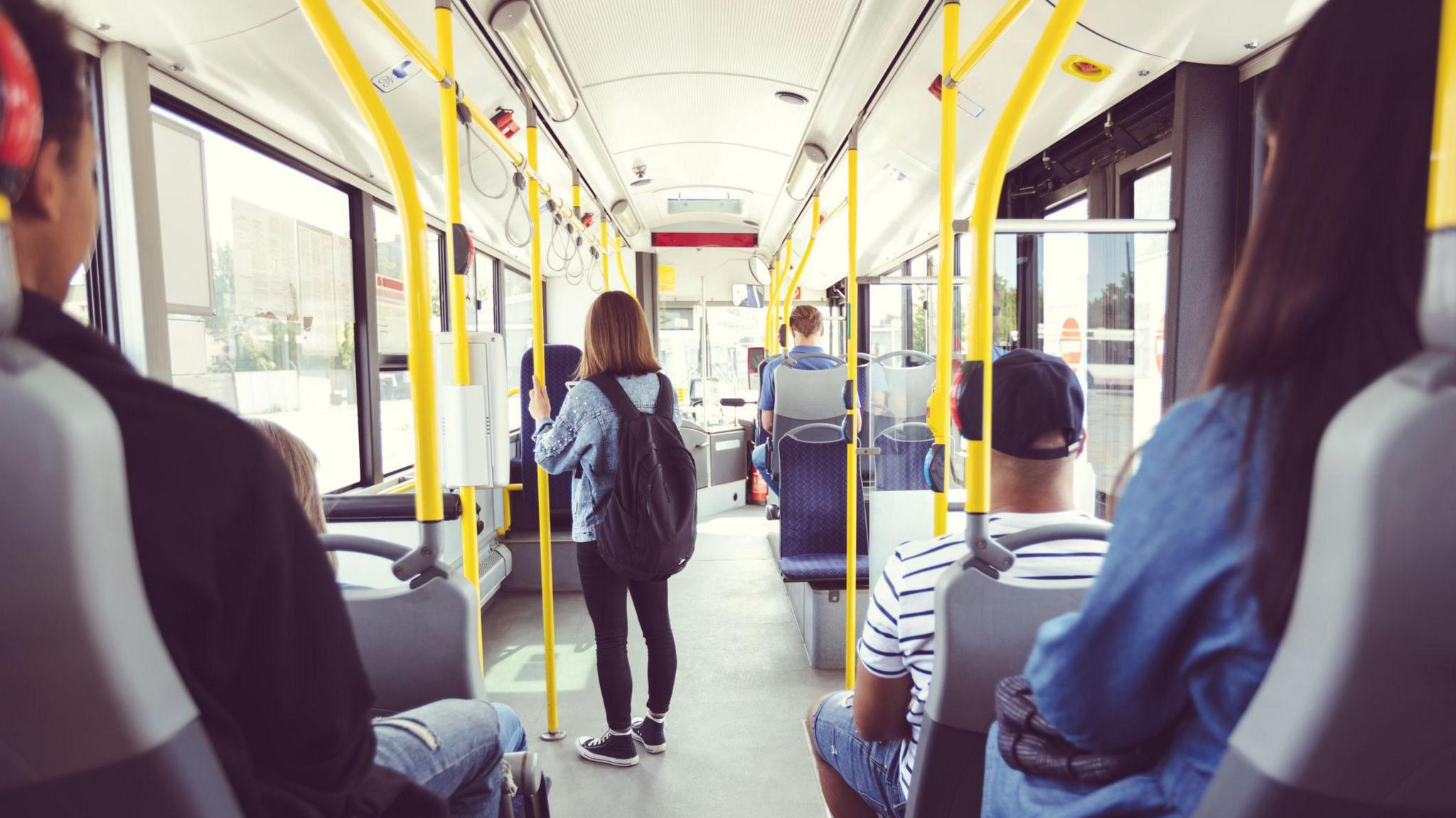
England’s Bus Fare Cap Returns to £2 Under New Government
Ninoda.com – Prime Minister Andy Burnham has confirmed that the nationwide bus fare limit will drop back to £2 starting in January. The administration estimates this initiative will require over £500 million in funding, with officials noting it provides crucial relief for families struggling with everyday expenses.
During the previous Labour administration led by Sir Keir Starmer, the England-wide limit increased to £3 at the beginning of last year. Two cities—Liverpool and Manchester—maintained their lower £2 rates throughout that period. According to Burnham, accessible transit connections remain fundamental, and reduced prices will enable more commuters to reach their destinations.
Context and Economic Impact
Transport Secretary Heidi Alexander explained to the BBC’s Today programme that this policy offers encouragement during challenging economic times. She noted that fuel prices had surged following tensions between the United States and Iran, though she acknowledged the measure alone cannot resolve all transportation affordability issues.
The updated limit applies to January next year for buses operating outside London. Within the capital, a standard single journey costs £1.75. The Burnham administration emphasized that passengers in countryside and coastal communities stand to benefit most, as those regions often charge higher individual trip prices.
Rural Areas Face Ongoing Challenges
The Campaign for Better Transport highlighted that countryside locations continue experiencing reduced route availability and service frequency. Michael Solomon Williams from the organization pointed out that rural communities faced deeper council budget reductions over the past ten years compared to city centers.
Data from the County Councils Network, representing 39 local authorities throughout England, shows that bus services measured by vehicle miles fell by 18% between 2019 and 2024. Williams stressed the importance of restoring these diminished services to help rural populations.
Nationwide Funding and Future Plans
Other UK nations are also receiving support. Northern Ireland will obtain additional funding, though ministers retain flexibility regarding how to allocate it, with final amounts determined by the autumn budget. Scotland and Wales will receive funding equivalent to England’s bus fare cap program.
The Scottish government previously tested a £2 fare limit across the Highlands and Islands for twelve months and is considering legislation to implement this rate throughout Scotland before the current parliamentary term concludes. Meanwhile, Wales already restricts single fares to £1 for passengers under twenty-one.
Evaluating the Scheme’s Success
When originally launched in 2023, the £2 cap served dual purposes: addressing living expenses and encouraging post-pandemic ridership. The Office for National Statistics credited the policy with helping lower inflation that year. Analysis of the initial ten months revealed the scheme accounted for 5% of the 13% increase in bus travel during that timeframe.
Lower-income riders experienced the greatest financial relief, though the program received mixed reviews regarding cost-effectiveness. Savings varied based on local fare levels before implementation. During those first ten months, £210 million was expended against a £245 million allocation.
Ridership continues gradual recovery from pandemic-era declines. By March 2025, English local buses outside London recorded 1.9 billion journeys, representing approximately 93% of pre-pandemic volumes.
Funding Sources and Political Response
Shadow Chancellor Mel Stride questioned whether the government had clearly identified funding origins for extending the fare cap. Speaking on BBC Breakfast, he expressed concern about making spending commitments without transparent financial planning.
The government announced that £454 million would be redirected from the Department for Energy Security and Net Zero (DESN). DESN clarified this represents additional funding beyond what the Department for Transport already designated for bus services. Alexander explained to the BBC that this money was originally intended for international climate grants but will now be issued as loans, allowing funds to return to the treasury.
This announcement marks the second consecutive day of cost-saving measures from the new prime minister, following Tuesday’s declaration of a VAT reduction on household electricity bills scheduled for later this year.