Saudis must recognise Israel for nuclear deal, says Trump

Trump Links Saudi Nuclear Agreement to Israel Recognition
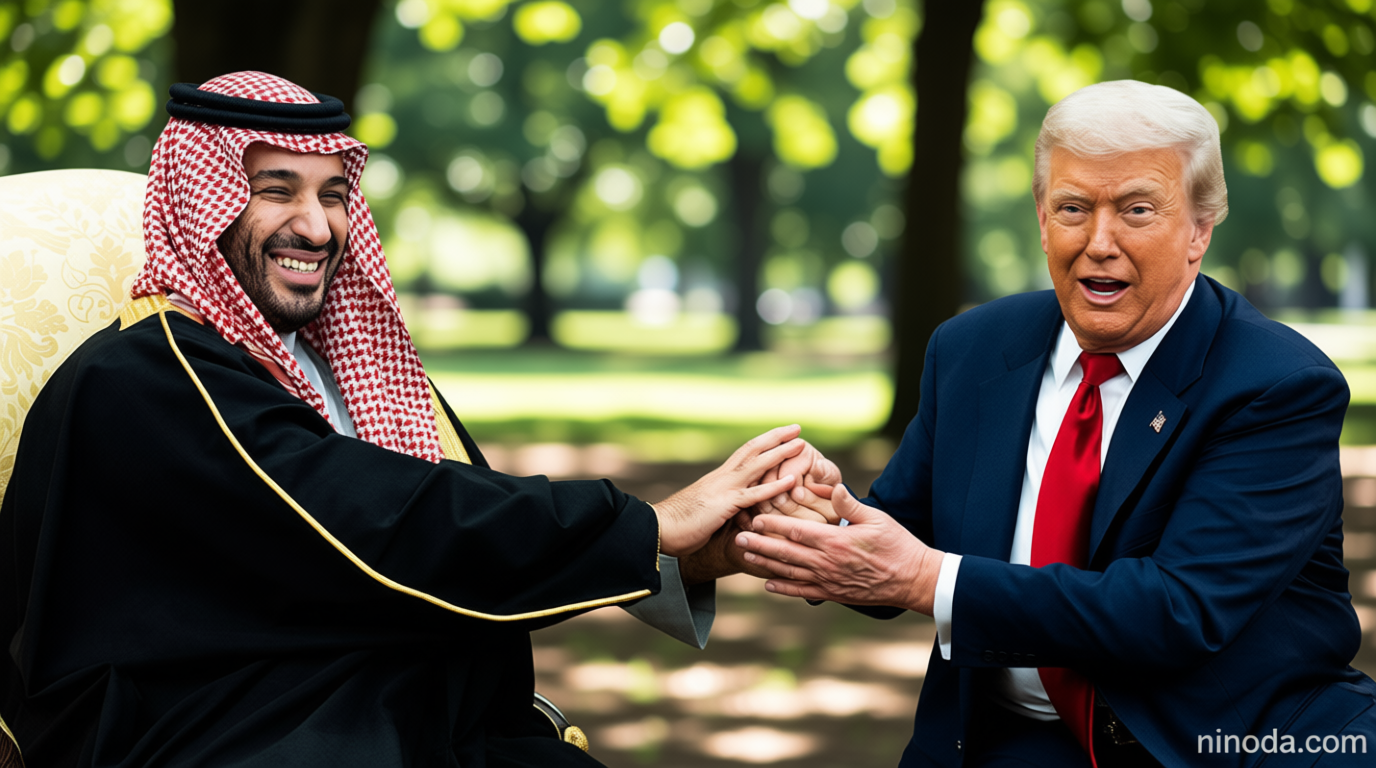
Ninoda.com – President Donald Trump announced that Saudi Arabia’s participation in a comprehensive nuclear energy partnership with the United States hinges on Riyadh’s acceptance of the Abraham Accords. The former president shared his position on Truth Social, emphasizing that the civil nuclear arrangement would proceed only if the Gulf kingdom formally joins the diplomatic framework.
“The Civil Nuclear Deal (There will be no enrichment of material!)… which pertains only to non-military use… will be approved, but is totally subject to Saudi Arabia joining the very respected and successful Abraham Accords,” Trump stated.
Deal Details and Verification Process
The White House confirmed that Trump has repeatedly communicated this requirement to Saudi officials. Press secretary Karoline Leavitt explained that the president has made clear the agreement would fail without Saudi participation in the accords, noting that discussions would continue with their Gulf partners.
According to the US Department of Energy, the arrangement encompasses both a peaceful nuclear co-operation agreement and a bilateral safeguards agreement. These components establish the legal groundwork for what officials describe as a decades-long partnership worth billions of dollars, advancing economic and strategic goals including nuclear nonproliferation.
The International Atomic Energy Agency confirmed on Thursday that it is aware of the bilateral civil nuclear cooperation plans between Washington and Riyadh. The agency indicated it expects to receive a formal request for verification measures and expressed readiness to collaborate with both nations on implementation.
Regional Context and Reactions
The Abraham Accords were initially signed during Trump’s first presidency by the United Arab Emirates and Bahrain, marking the first normalization between Israel and Arab nations in decades. Sudan, Morocco, and Kazakhstan subsequently joined the framework as well.
Saudi Arabia has historically maintained that it would not participate without a Palestinian state being established. However, the White House position now suggests the nuclear deal would be cancelled if Riyadh does not join the accords regardless.
Israel’s Prime Minister Benjamin Netanyahu’s office posted on X that Saudi participation “would be an historic leap forward for peace in the Middle East,” though the statement did not reference the nuclear agreement specifically.
Israeli officials have shown varied responses to the possibility of Saudi nuclear capabilities. Economy Minister Nir Barkat previously indicated his country “can manage it” if Saudi Arabia develops peaceful nuclear power. Conversely, former defense minister Avigdor Lieberman warned that “Every military nuclear program begins with a civilian one.”
Israel maintains an ambiguous nuclear status, neither confirming nor denying possession of weapons. The US-Saudi arrangement would grant American companies significant access to Saudi nuclear energy projects, according to the energy department.
The nuclear dimension has been central to the ongoing US-Israeli engagement with Iran, which has consistently rejected Western claims that it seeks nuclear weapons capability. Crown Prince Mohammed bin Salman told CBS News in 2018 that Saudi Arabia had no plans to acquire nuclear weapons but would “follow suit as soon as possible” if Iran developed a nuclear bomb.
Some experts and lawmakers have raised concerns about potential nuclear proliferation risks in the region. While Trump’s Republican Party holds majorities in both congressional chambers, opponents of the deal have not yet demonstrated sufficient support to prevent its passage. The agreement is scheduled for congressional review.