
Watch: Tens of thousands of migrants enter Spain’s Ceuta from Morocco

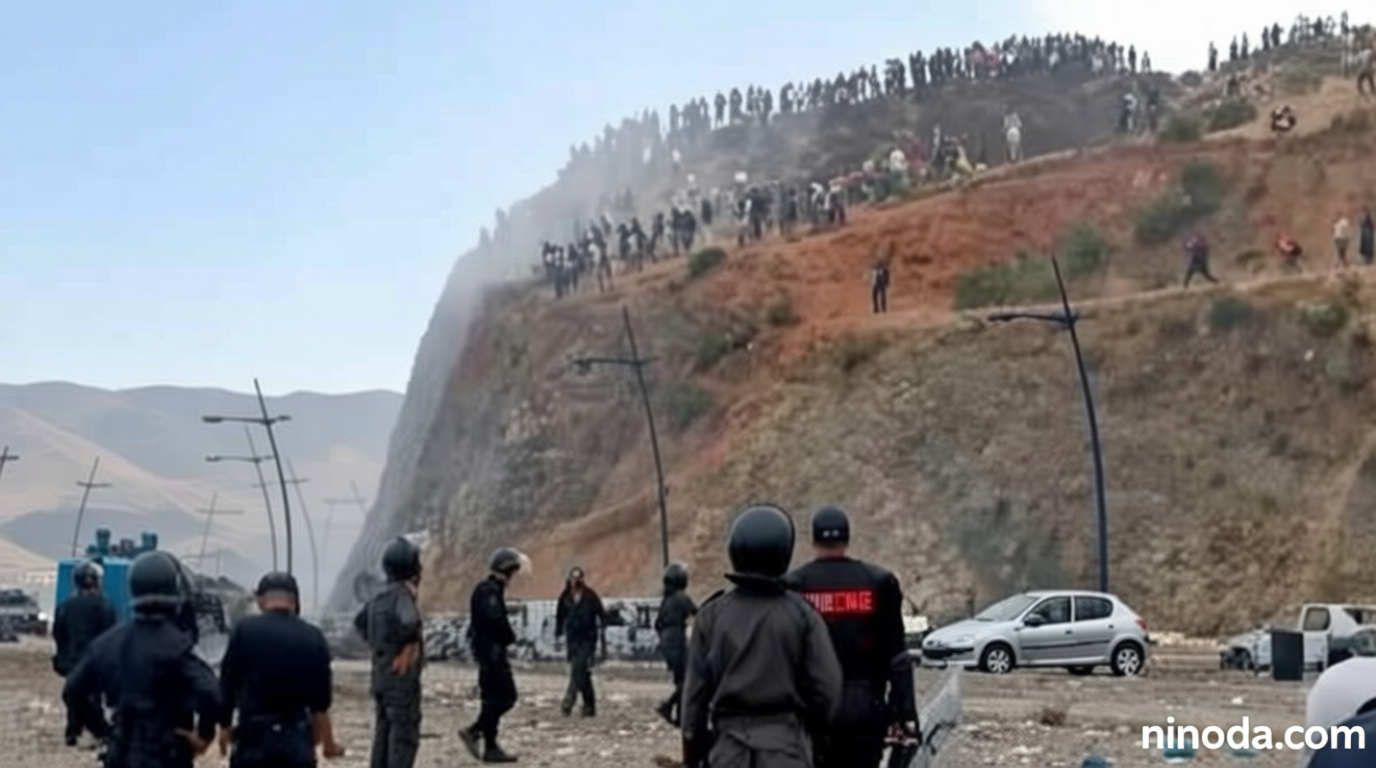
Mass Migration Crisis: Watch: Tens of Thousands of Migrants Enter Spain’s Ceuta from Morocco
Ninoda.com – Watch: Tens of thousands of migrants enter Spain’s Ceuta from Morocco in what has become one of the largest single-day migrations in recent European history. The dramatic scene unfolded as thousands of people crossed from Morocco into the Spanish territory, with many swimming across the water and using inflatable boats to make the journey. Others ran through a gate in the border fence, creating a chaotic but determined flow of people seeking entry into Europe. The territory’s leader, Juan Jesús Vivas, described the situation as overwhelming resources and immediately urged the Spanish government to intervene in the growing crisis.
Political Response and Government Action
Spanish Prime Minister Pedro Sánchez characterized the massive influx as an “attack” on Spanish territory, signaling a firm stance on border management. He announced that all illegal migrants would be returned to Morocco “as soon as possible,” demonstrating Spain’s commitment to controlling its borders. The government’s response has been swift, with officials working to process the large number of arrivals and coordinate with Moroccan authorities for the return of those who entered without proper authorization. This political reaction highlights the growing pressure on European nations to manage migration flows effectively.
Historical Context of Ceuta as Migration Gateway
Ceuta, located on Morocco’s northern coast, has long been a focal point for migrants attempting to reach Europe. This Spanish enclave has served as a critical entry point for thousands of people seeking better opportunities and safety in European countries. The strategic location makes it particularly vulnerable to large-scale migrations, especially when conditions in North Africa deteriorate or when economic pressures increase. The territory’s unique position between Africa and Europe has made it a testing ground for European migration policies and a symbol of the broader challenges facing the continent.
“The number of arrivals has been overwhelming resources,” said Juan Jesús Vivas, Ceuta’s leader, as he called for immediate government intervention to manage the crisis effectively.
The current situation has seen more than 25,000 migrants return to Morocco voluntarily so far, according to official figures. This voluntary return program demonstrates efforts to manage the situation without forced deportations, though the scale of the migration continues to strain local infrastructure and services. The combination of swimming migrants, those using inflatables, and people running through border gates has created a complex humanitarian situation that requires coordinated international response.
As the situation develops, attention remains focused on how Spain and other European nations will handle the ongoing migration pressure. The events in Ceuta serve as a microcosm of the broader European migration challenge, highlighting the need for comprehensive policies that address both immediate humanitarian concerns and long-term structural issues. Watch: Tens of thousands of migrants enter Spain’s Ceuta from Morocco represents not just a local crisis, but a moment that could shape European migration policy for years to come.