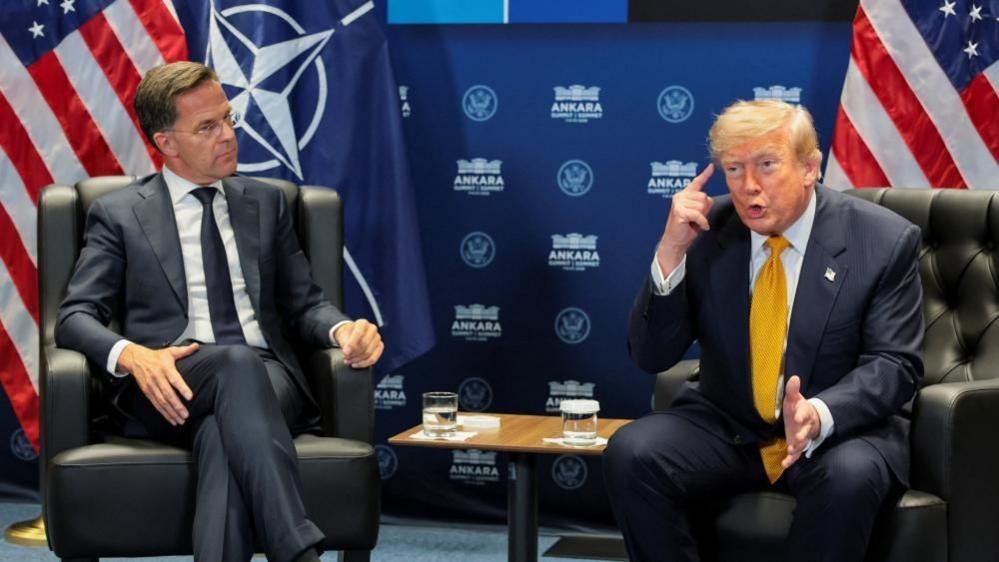
Faisal Islam: Four reasons why Fifa’s World Cup plan never stacked up

Why FIFA’s World Cup Privatization Proposal Failed to Convince
Ninoda.com – Internal documents reviewed by the BBC reveal the underlying reasons behind the collapse of FIFA’s ambitious World Cup part-privatization scheme. A comprehensive sales presentation distributed to member associations this week outlined the arguments supporting Gianni Infantino’s contentious initiative, incorporating imagery of Argentina supporters and the Spanish national team celebrating with the championship trophy.
This twenty-five slide presentation projected revenue figures comparable to American football, suggesting the controversial 2026 tournament model—shaped significantly by American influence—could be extended and maintained. The proposal indicated possibilities including dynamic ticket pricing, premium seats exceeding one thousand dollars, and the potential to place the world’s premier sporting event behind subscription barriers.
However, these documents demonstrate that FIFA’s justification never truly held water. Below are four primary factors explaining why the proposal failed to gain traction.
Questionable Revenue Comparisons
FIFA’s core argument centered on the notion that football generates insufficient income relative to its audience size. The organization claimed that “Fifa has been under-monetised versus other leagues,” consequently causing “global football development gets squeezed.” This position relied heavily on a comparative visualization displaying both yearly earnings and income per supporter across multiple organizations.
Fifa has been under-monetised versus other leagues
Superficially, FIFA appeared as the less prosperous entity at merely one dollar per worldwide supporter, standing in stark contrast to the NFL’s fifty-two point eight dollars. Yet this metric warrants scrutiny. The World Cup operates on a four-year cycle rather than annually. When recalculated using revenue per 2026 tournament match, FIFA generates multiples of the Premier League’s figures—potentially exceeding threefold.
Additionally, football maintains a decentralized global structure, meaning substantial portions of earnings flow to individual competitions like the Champions League or English top flight. FIFA essentially sought to retain a larger share of the collective football revenue pie. Furthermore, while the NFL’s audience remains concentrated within the United States and represents primarily American football, football supporters span wealthy and developing nations worldwide.
Another critical distinction involves compensation structures. Approximately fifty percent of NFL earnings distribute as player wages. FIFA, conversely, does not compensate superstars such as Erling Haaland, Lionel Messi, or Vozinha. Examining profits rather than revenues alone would have produced considerably different outcomes than the chart’s revenue-focused presentation.
Shift in Organizational Power
The documentation outlined that the newly established partially privatized organization, designated as Fifa Forward Enterprise (FFE), would assume the role of “organiser and operator of competitions”—essentially managing the World Cup. This entity would oversee ticketing arrangements, broadcasting rights, licensing agreements, and sponsorship deals.
organiser and operator of competitions
Such an arrangement would represent a substantial transfer of authority from a non-profit body accountable to global football to a privately supported corporation, despite maintaining majority representation from FIFA’s board. The slides emphasized that this FFE framework would “expand and optimise media rights monetisation” while working to “maximise the value of Fifa IP [Intellectual Property], which has been undermonetised, historically.”
This structural change would effectively relocate responsibility and accountability away from FIFA itself.
Threats to Free-to-Air Broadcasting
While FIFA highlighted the NFL’s revenue-per-fan statistics within the documentation, this comparison simultaneously raised concerns regarding the future of free-to-air World Cup matches. Such access remains safeguarded through legislation in both the United Kingdom and European nations, though digital rights are poised for significant transformation in upcoming years.
The proposal could also have solidified the continuation of the exceptional ticket costs observed during the 2026 tournament.
The $4.2 Billion Funding Question
FIFA had previously committed to allocating a twenty percent ownership share to FFE, generating an initial four-point-two billion dollars. The documentation clarified that this preliminary capital injection would finance the twenty-million-dollar “extraordinary distribution” awarded to each of the two hundred eleven member associations.
extraordinary distribution
This explained the four-point-two billion dollar funding necessity. Essentially, the capital would facilitate a one-time twenty-million-dollar payment for infrastructure purposes to every voting association participating in decisions regarding Infantino’s proposal. Such arrangements would mean, for instance, providing Montserrat with an amount representing nearly half its total economic output, or approximately ten thousand dollars per resident—similarly applicable to Bangladesh, a substantial and rapidly expanding market for worldwide football advancement.
This arrangement prompted critical questions: Where would additional investment funds for FIFA’s future originate if the new capital were immediately distributed to voting members? Furthermore, what portion would genuinely return to FIFA as an “annual license payment”?