Banned from football at home, Afghan women’s team reunite 8,000 miles away

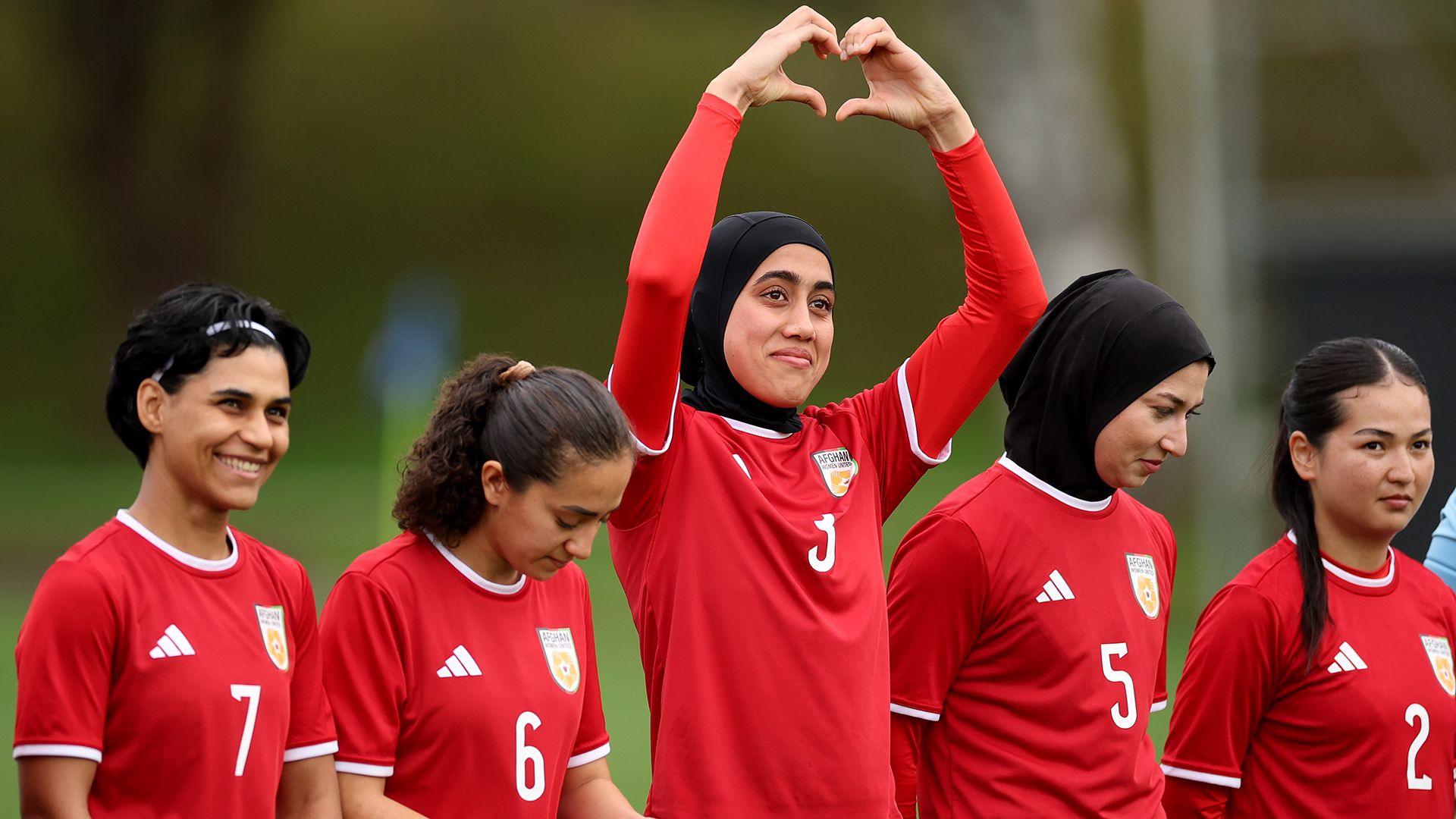
Table of Contents
Afghan Women’s Footballers Find New Home on the Pitch
Ninoda.com – Inside a bustling changing room, players prepare for what could be a historic moment. Some tighten their boots while others share warm embraces. Midfielder Fatima Haidari addresses her teammates with conviction:
Be strong as always because we are representing Afghan women.
An Afghan flag hangs prominently as a patriotic melody fills the air. Several players sing along, fighting back tears as they prepare to step onto a field they once were told was forbidden to them.
The twenty-three athletes, chosen from Afghan footballers scattered across the globe, have arrived in New Zealand. They will compete in two friendly matches against the Cook Islands while participating in a training camp. This gathering marks their first reunion since FIFA’s April decision allowing them to represent Afghanistan in official competitions moving forward.
From Exile to Opportunity
Under Taliban rule, which began in August 2021, women faced sweeping limitations. They were prohibited from attending secondary schools and universities, barred from most careers, and excluded from organized sports entirely. The national women’s team, established in 2007, could no longer compete. Its members became part of evacuation efforts, finding new homes in nations including Portugal, the United Kingdom, and Australia.
Years of persistent advocacy resulted in the formation of a refugee squad known as Afghan Women United. With FIFA’s recent approval, this team now has the chance to pursue qualification for prestigious tournaments like the World Cup and Olympic Games. Previously, participation required approval from the Afghanistan Football Federation—an obstacle that became insurmountable under Taliban governance.
Living as asylum seekers across multiple countries, the players have struggled for five years to obtain proper travel documentation for collective training. Now gathered in New Zealand, excitement permeates the group.
A Personal Journey of Courage
Manozh Noori sits in her Auckland hotel room the day before their match. The twenty-three-year-old sports short hair, a casual T-shirt, and knee-length shorts—an appearance she notes frequently earns criticism from relatives who find it too masculine. When discussing her family with BBC Global Women, her voice wavers with emotion. She pauses, breathes deeply, and looks away momentarily before continuing. Though no tears fall, her feelings are unmistakable.
Before departing Afghanistan, Noori buried her football medals in her family garden. They remain there more than four years later.
One day I will go back and dig them out,
she says with a brief smile.
Her journey began in the streets of Kabul, where she played football alongside boys. After watching women’s football on television, she secretly enrolled in local clubs and steadily climbed through the ranks. Knowing her older brother would disapprove, she wore a face covering to avoid recognition. Over six years, she accumulated league titles, national championships, and individual honors.
Eventually, her achievements became impossible to conceal. Around 2018, teammates convinced her to remove her face covering for a television interview. The broadcast aired alongside match highlights. Noori feared her brother would see it.
I was so scared,
she remembers.
I kept thinking, ‘He’s going to see me. He’s going to know.’
In desperation, she attempted to prevent her family from watching news by disconnecting the electricity. Nevertheless, word reached her brother, who became furious.
He was screaming,
Noori recounts.
You told us you were studying. You said you wanted to become a teacher or a doctor. What is this?’
He threatened to sever family ties unless she stopped playing. Her mother wept, explaining that he was their financial provider.
Noori temporarily ceased playing but eventually resumed. Her brother, residing in Germany, provided financial support for her ambitions. When the Taliban seized power in 2021, she chose to leave, ensuring her medals remained safely buried in the garden before her departure.
The team now looks toward the future with hope, eager to prove that distance and adversity cannot diminish their passion for the beautiful game.
Related Reading
Frequently Asked Questions
What is Banned from football at home Afghan?
Banned from football at home Afghan is the main topic of this guide. The article explains the context, practical details, and next steps readers should understand.
Why does Banned from football at home Afghan matter?
Banned from football at home Afghan matters because readers are looking for a useful answer, not just a short summary. Good content should match search intent and help them decide what to do next.