
‘I ve had to Botox My CV’: AI Tools Hit Women’s Careers
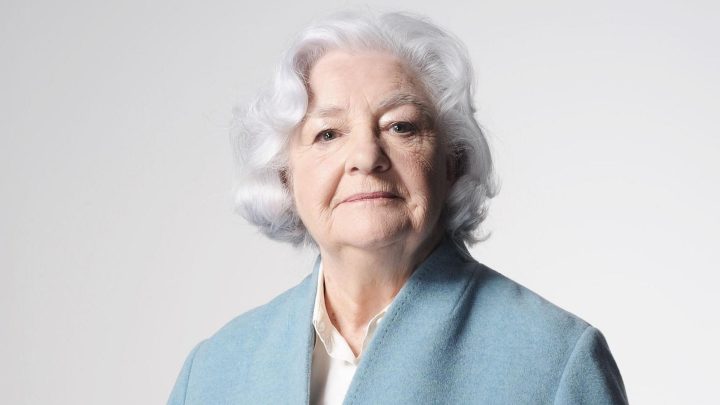
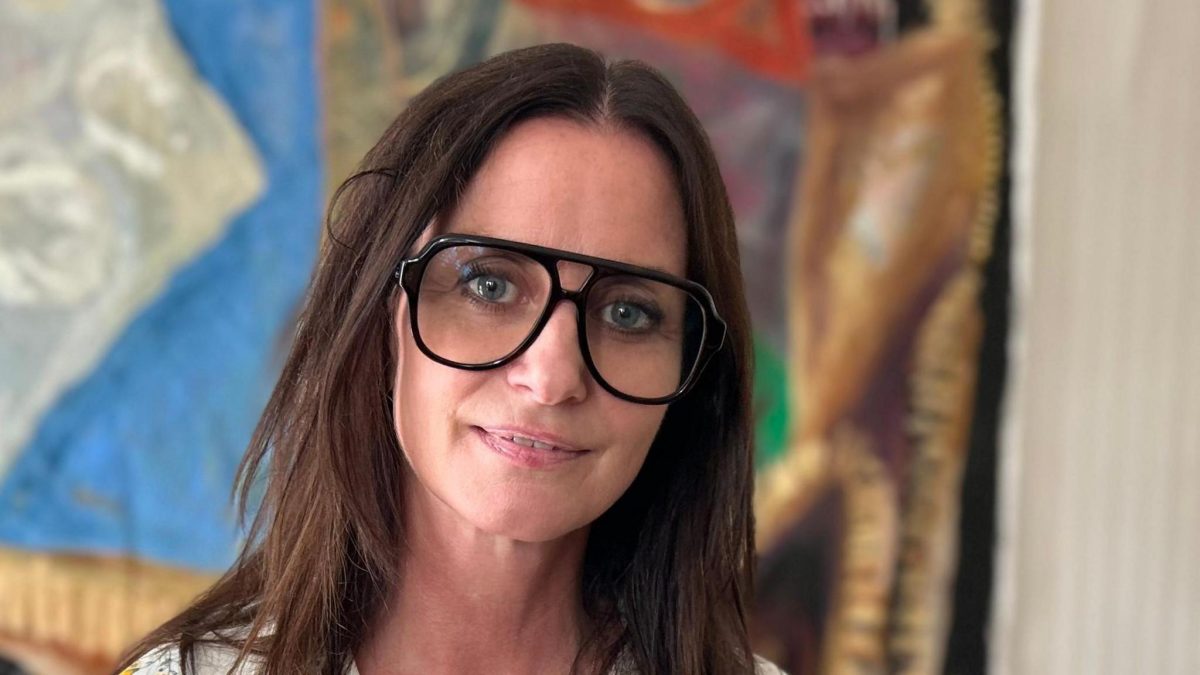
Ninoda.com – this phrase has become a rallying cry for mid-life women navigating the AI-driven job market. Millions of workers worry about being made redundant as artificial intelligence transforms the workplace, yet a growing number of women suggest these same technologies may be creating unique obstacles for them. Stacey Duguid, a 52-year-old from north London, has noticed this pattern firsthand. After building a lengthy career that included senior positions in fashion and subsequent freelance work, she sought what she called “one last job.” The search proved difficult. Over 16 months she submitted countless applications, receiving only a few automated responses despite never before experiencing such challenges.
Feeling isolated and embarrassed, she wondered whether the issue lay with herself. When she turned to social media to ask if other women around her age faced identical difficulties, the reaction was immediate and substantial. Thousands responded, confirming they shared her experience. Stacey now suspects AI recruitment systems contribute to the problem and has effectively “Botoxed” her resume by eliminating mentions of her age and professional history. Her sentiment echoes what many are saying: “I ve had to Botox my CV” to survive the automated screening process.
“AI holds a mirror up to society. It’s a reflection of our bias,” she explained. “I’m not saying this is just a women’s issue; I’ve had messages from men too. My point is about gendered ageism.”
Voices from the Job Search
The BBC has interviewed over 60 women between 40 and 65 years old across various sectors who report similar frustrations. Most possess decades of senior-level experience and have submitted numerous applications, only to encounter automated rejections or complete silence. Koeyli Jaluka, aged 49, exemplifies this trend. She has occupied leadership positions in manufacturing, corporate environments, and healthcare.
“I’ve never been in this position before. For the last 10–12 years I’ve been headhunted. Now I’m hunting for jobs and being relentlessly rejected.”
After losing her position nine months prior, Koeyli submitted applications to 442 roles, hearing back in only a handful of instances. Occasionally she receives feedback that she is “too senior,” which she interprets as professional shorthand for being too old. Despite holding two degrees and twenty years of experience, she admits her self-assurance has diminished. She attributes this partly to constrained budgets, AI filtering, and increasingly restrictive hiring standards. Many women like Koeyli agree: “I ve had to Botox my CV” to get past automated filters.
“A lot of us have been told by career coaches to shave off the first 10 years of work on our CVs just to ensure we don’t come across as having worked for too long.”
Human Connection in a Digital Age
Anna Cowie, 52, experienced a different kind of displacement. She spent three decades in advertising before becoming unemployed nearly four years ago. Having never previously gone without employment, she has lost track of how many resumes she has distributed. After years working with major corporations and most recently assisting with the Battersea Power Station development, she now relies on jobseeker’s allowance. She has begun volunteering at local community festivals and discovered that face-to-face networking yields better results than digital applications.
“You’re seen as a human and not just lines on paper.”
Systemic Concerns About AI Screening
While employers seldom reveal their internal selection methods, making it difficult to determine AI’s exact influence, concerns persist that mid-life women face disproportionate disadvantages. The City of London Women Pivoting to Digital Taskforce, which supports women in finance and professional services, has highlighted these issues. Chair Caroline Haines noted that their research uncovered significant worry that AI screening tools fail to recognize valuable skills that experienced women possess.
“There is a high level of concern that AI at initial recruitment level… doesn’t account for the skills of a vast body of women that could be very effective and therefore promote economic growth,” she stated.
For instance, women who paused their careers for childcare often display gaps on their resumes that certain AI systems may view unfavorably. Looking ahead, the taskforce projects that artificial intelligence and automation might eliminate hundreds of thousands of positions held by women by 2035, based on Department for Education data regarding market and skills projections from 2020 to 2035.
Frequently Asked Questions
What does “I ve had to Botox my CV” mean? The phrase refers to women removing or downplaying age-related information from their resumes to avoid being filtered out by AI recruitment tools that may penalize older candidates.
Why are mid-life women particularly affected by AI hiring tools? AI systems often flag career gaps, extended work histories, or seniority levels that experienced women may have accumulated over decades, leading to automated rejections even for qualified candidates.
How many women have reported similar experiences? The BBC interviewed over 60 women between 40 and 65 years old who reported facing similar challenges with AI-driven recruitment processes.
What solutions are being proposed? Career coaches recommend removing the first 10 years of work history from CVs, while some women are turning to face-to-face networking to bypass automated screening systems entirely.