DR Congo river boat under quarantine for Ebola after five deaths

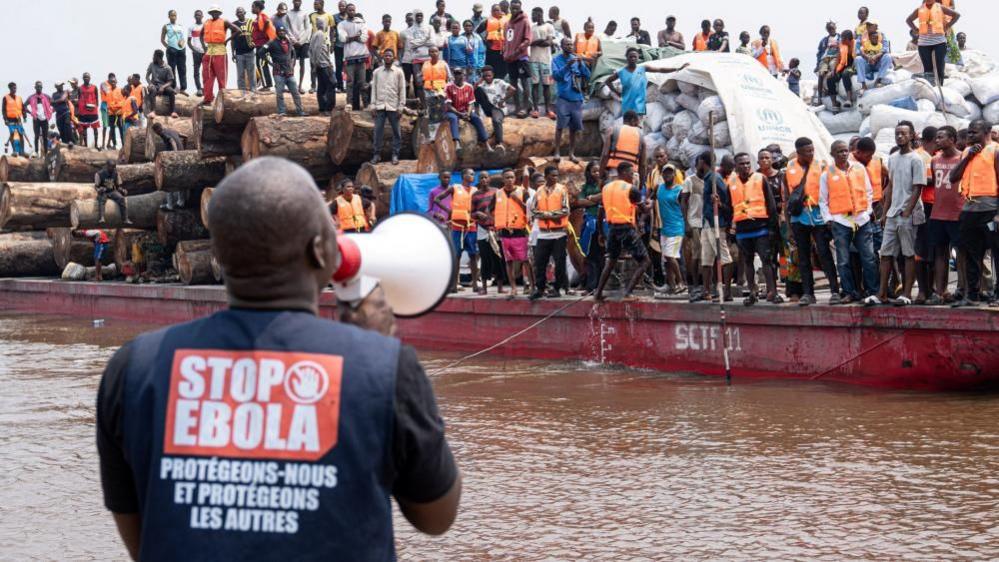
Table of Contents
Quarantine Imposed on Chinese Vessel Following Ebola-Related Deaths on Congo River
Ninoda.com – Authorities in the Democratic Republic of Congo have placed a Chinese-operated passenger vessel under strict quarantine measures after five individuals died from suspected Ebola virus disease. The Yingfeng 2 was intercepted near Bende Bende port, located approximately 65 kilometers upstream from Kinshasa, before it could dock at the capital city. This precautionary action has raised concerns among local communities and travelers who rely on river transport for daily commutes and commerce.
All 255 passengers aboard the vessel are currently undergoing comprehensive screening for both Ebola and cholera. Health Minister Roger Kamba explained that the precautionary measures were initiated after a passenger exhibiting fever and diarrhea symptoms disembarked in Mongala Province and subsequently passed away in a local hospital. Medical teams have been working around the clock to identify potential cases and prevent further spread of the disease.
“For now, no-one has tested positive, and it is likely no one will be positive after 21 days of incubation has elapsed,” Kamba told reporters during a press briefing.
The additional fatalities include two adults, a newborn infant, and a three-year-old child. Teams from the World Health Organization alongside Congolese health ministry personnel have already boarded the vessel and established a mobile laboratory to perform diagnostic tests. Medical staff are conducting temperature checks and collecting samples from all passengers and crew members on board.
Contrary to earlier media reports, the minister clarified that the boat had departed from Mongala in northwestern DR Congo 22 days prior, a region that has not reported any Ebola cases. The affected passenger had been traveling on the vessel for several days before being transported to the Pimu health zone for medical treatment. This timeline has helped authorities trace potential exposure routes more accurately.
Outbreak Context and Response Measures
The vessel had navigated more than 1,700 kilometers downstream toward Kinshasa before security services intercepted it. In accordance with WHO guidelines, the Yingfeng 2 is being held offshore to prevent any potential transmission of the virus into the capital. Public health teams remain ready to implement additional actions once the boat is fully secured. Local authorities have also set up temporary isolation facilities along the riverbank.
This incident occurs as DR Congo battles its 17th Ebola outbreak, which began on May 15. The current outbreak is caused by the rare Bundibugyo strain of the virus, a variant that had not been observed for over ten years. Unlike other Ebola strains, there are currently no targeted drug treatments or approved vaccines for Bundibugyo, though human clinical trials for a potential vaccine are underway in the United Kingdom. Scientists are working diligently to develop effective countermeasures.
Three months into the outbreak, both infections and mortality rates continue climbing. Government data indicates 3,973 confirmed cases and 1,801 deaths, making this the second most lethal Ebola outbreak in history. Authorities report that over 17,000 individuals are under surveillance following exposure to confirmed cases, with 674 patients receiving isolation or treatment across five provinces and 776 people having recovered. The situation requires sustained international support and local coordination.
In Kinshasa, preparations for a potential Bundibugyo response are intensifying. Surveillance systems and rapid-response capabilities are being strengthened at Maluku, the city’s primary entry point. While officials emphasize that current measures are precautionary, they acknowledge the seriousness of the situation. Community awareness campaigns have been launched to educate residents about prevention methods.
Frequently Asked Questions
How long will the quarantine last? The quarantine period follows the 21-day incubation window for Ebola. Passengers and crew will remain on board until all potential cases are identified and ruled out.
What symptoms should travelers watch for? Common Ebola symptoms include fever, severe headache, muscle pain, weakness, fatigue, diarrhea, vomiting, and unexplained bleeding. Anyone experiencing these symptoms should seek immediate medical attention.
Is the Bundibugyo strain more dangerous? The Bundibugyo strain has a higher case fatality rate compared to other Ebola variants. However, with proper isolation and care, survival rates remain significant.
Can I still travel by river in DR Congo? River transport continues normally, but passengers are advised to monitor their health and report any symptoms to local health authorities immediately.