Why was Taiwan’s president evacuated in the middle of the night?

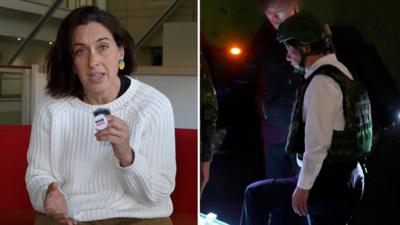
Table of Contents
Why Was Taiwan’s President Evacuated During Midnight Military Drills?
Ninoda.com – Taiwanese President William Lai participated in a dramatic nighttime evacuation exercise as part of the nation’s annual Han Kuang military training program. This significant security drill, which began on August 5th and runs through August 14th, represents one of Taiwan’s most comprehensive defense preparedness initiatives. The exercise brought together military forces, government officials, and emergency response teams for coordinated crisis scenarios designed to test the island’s resilience against potential threats.
Understanding the Han Kuang Military Exercises
The Han Kuang exercises, which translate to “brave the wind,” have been conducted annually since 1995. These extensive military drills serve multiple strategic purposes beyond simple evacuation procedures. According to BBC correspondent Katy Watson, who covered the event, the exercises are specifically designed to evaluate Taiwan’s ability to withstand and respond to potential Chinese military aggression. The comprehensive nature of these drills ensures that all branches of Taiwan’s armed forces can operate cohesively during emergencies.
The midnight evacuation component that captured international attention tested how quickly President Lai and other key officials could relocate from their primary locations to secure underground facilities. This particular exercise demonstrated Taiwan’s commitment to maintaining continuous government operations even during the most severe crisis scenarios. Military analysts note that such preparedness has become increasingly vital as regional tensions continue to evolve in the South China Sea and surrounding waters.
Strategic Importance and Regional Context
The timing of these exercises carries particular significance given current geopolitical developments. Taiwan faces ongoing pressure from China, which has never ruled out the possibility of using force to achieve reunification. The evacuation drills specifically address concerns about command and control continuity during potential conflict. Participants worked through multiple phases including air defense systems activation, ground transportation coordination, and civilian evacuation procedures across the island.
Security experts emphasize that these exercises serve as both practical preparation and strategic signaling to potential adversaries. The visible participation of Taiwan’s president demonstrates political commitment to national defense while showcasing the island’s military capabilities to international observers. The exercises also provide valuable opportunities for identifying weaknesses in existing protocols and implementing necessary improvements before actual emergencies occur.
Looking ahead, Taiwan plans to continue expanding these defense preparedness initiatives. The government has indicated that future exercises may incorporate additional scenarios and technologies to address emerging threats. This ongoing commitment to military readiness reflects Taiwan’s determination to maintain its security and democratic institutions in the face of regional challenges.
Frequently Asked Questions
How often does Taiwan conduct these military exercises? Taiwan holds the Han Kuang exercises annually, typically in August. These comprehensive drills have been a cornerstone of the island’s defense strategy for nearly three decades.
What specific evacuation procedures were tested? The exercises included underground facility relocation, helicopter transport coordination, secure communication systems activation, and rapid response team deployment for protecting key officials.
Why is nighttime evacuation particularly important? Nighttime scenarios present unique challenges including reduced visibility, potential communication disruptions, and the need for rapid movement without alerting potential adversaries to the evacuation.
How do these exercises relate to current Taiwan-China relations? The drills serve as both practical preparation and strategic messaging, demonstrating Taiwan’s military capabilities while signaling resolve to maintain independence amid growing Chinese pressure.