Watch: What we learned from opening statements in Tupac murder trial

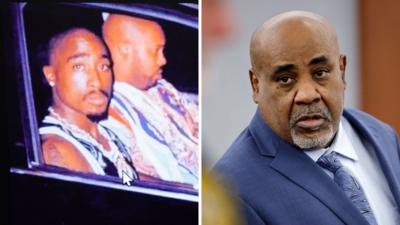
Table of Contents
Tupac Shakur Murder Trial: What Opening Statements Revealed in Las Vegas
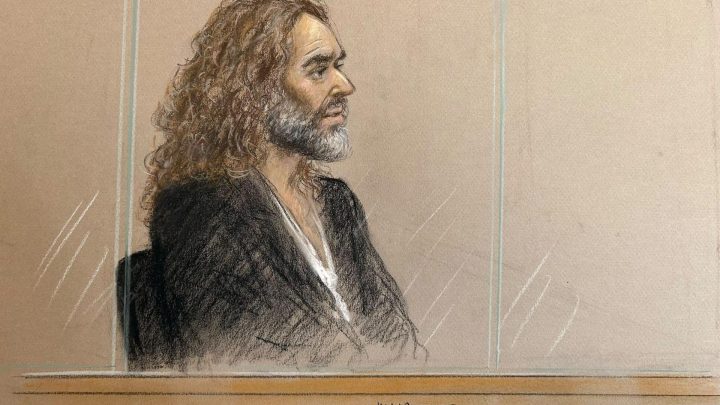
Ninoda.com – Watch: What we learned from opening statements in Tupac murder trial is the question that dominated headlines as the long-delayed courtroom proceedings against Duane “Keffe D” Davis finally moved past preliminary hearings and into full-blown argument. The 63-year-old former gang leader, charged with one count of murder with a deadly weapon in connection with the 1996 death of rapper Tupac Shakur, stood before a Las Vegas jury and entered a plea of not guilty. Both prosecution and defence then spent their allotted time sketching the narratives they intend to build over the coming weeks, giving the public its first substantive look at how each side plans to frame the case.
Two Decades of Waiting: The Road to Trial
Shakur was killed in a drive-by shooting on 7 September 1996, an event that sent shockwaves through the music world and left fans, family, and investigators searching for answers for more than twenty years. The case sat through numerous procedural hurdles, appeals, and delays before a jury could finally be seated. When the courtroom doors opened for substantive argument, the weight of those lost years was palpable. The BBC’s Shaimaa Khalil was on the ground to document the proceedings and summarize the principal arguments advanced by both parties as the trial crossed into its most consequential phase.
For Shakur’s family and supporters, the opening statements represented a moment they had waited over two decades to reach. For the defence, it was an opportunity to contest the prosecution’s theory of the case before a single verdict was rendered. The tension between those two positions set the tone for everything that followed in the courtroom.
Key Takeaways from the Opening Arguments
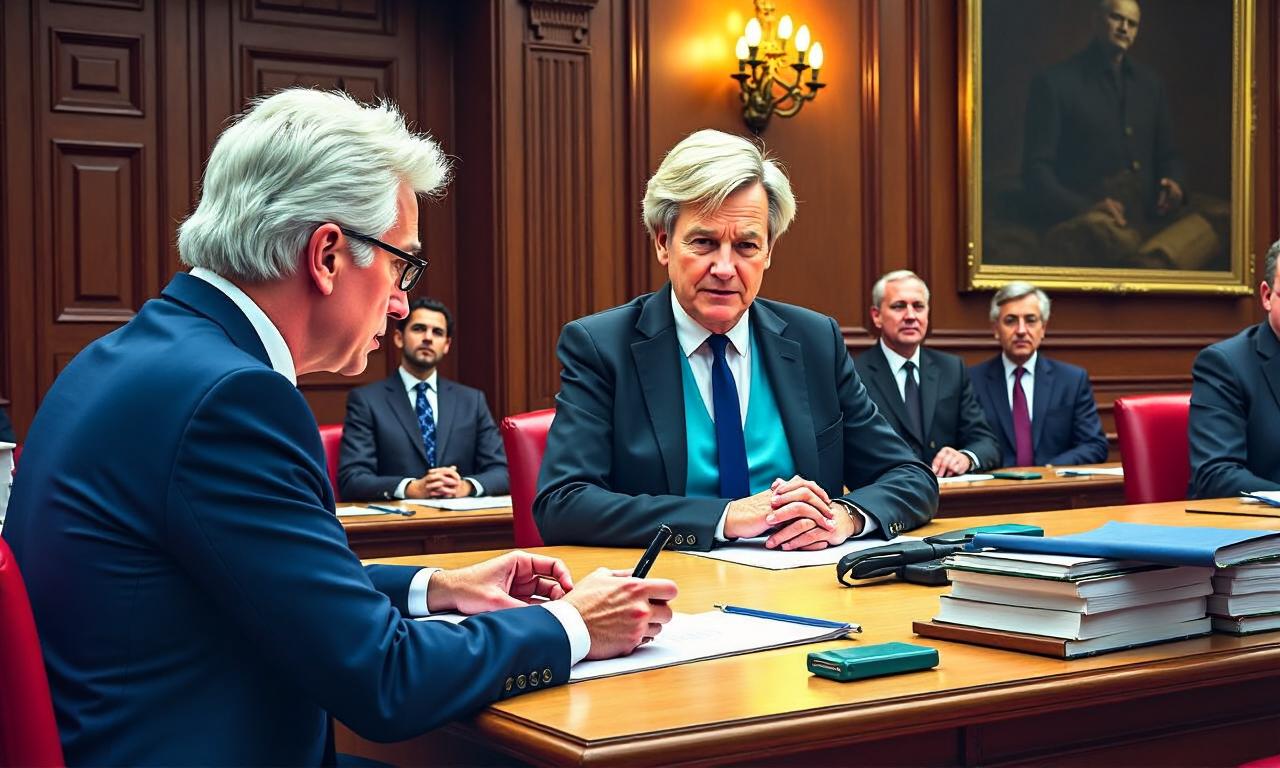
Prosecutors outlined what they described as a deliberate, coordinated shooting, pointing to evidence they said would tie Davis directly to the scene and to the individuals who fired the shots. Their narrative emphasized intent, planning, and the use of a deadly weapon, framing the charge as a straightforward account of who pulled the trigger and who ordered it done. The defence, by contrast, urged the jury to weigh the passage of time, the completeness of the record, and the specific elements the state must prove beyond a reasonable doubt before a guilty verdict can be returned.
Both sides made clear that the trial would hinge not on emotion or legacy, but on the specific factual elements of a single murder count — and on whether the evidence, presented after more than twenty years, still meets the constitutional threshold for conviction.
What emerged from the opening statements was a trial structured around narrow legal questions rather than broad cultural narratives. Jurors were asked to focus on dates, locations, witness testimony, and physical evidence, leaving the wider mythology of Shakur’s career outside the courtroom’s four walls.
Frequently Asked Questions
Who is on trial in the Tupac Shakur murder case? Duane “Keffe D” Davis, a 63-year-old former gang leader, faces one count of murder with a deadly weapon. He has pleaded not guilty and is being tried in Las Vegas.
When did the shooting occur? Tupac Shakur was killed in a drive-by shooting on 7 September 1996. The trial took place more than two decades after that event.
What did the opening statements accomplish? They gave the jury a preview of each side’s theory of the case: the prosecution’s account of a planned shooting and the defence’s arguments about the sufficiency of evidence after such a long interval. They did not present evidence itself but set the framework for what jurors would hear over the trial’s duration.
Where can I follow the BBC’s coverage? The BBC’s Shaimaa Khalil reported from the courtroom and produced video summaries of the proceedings, including the segment referenced in the original broadcast.