Brazil’s President Lula hails oil discovery near Amazon river

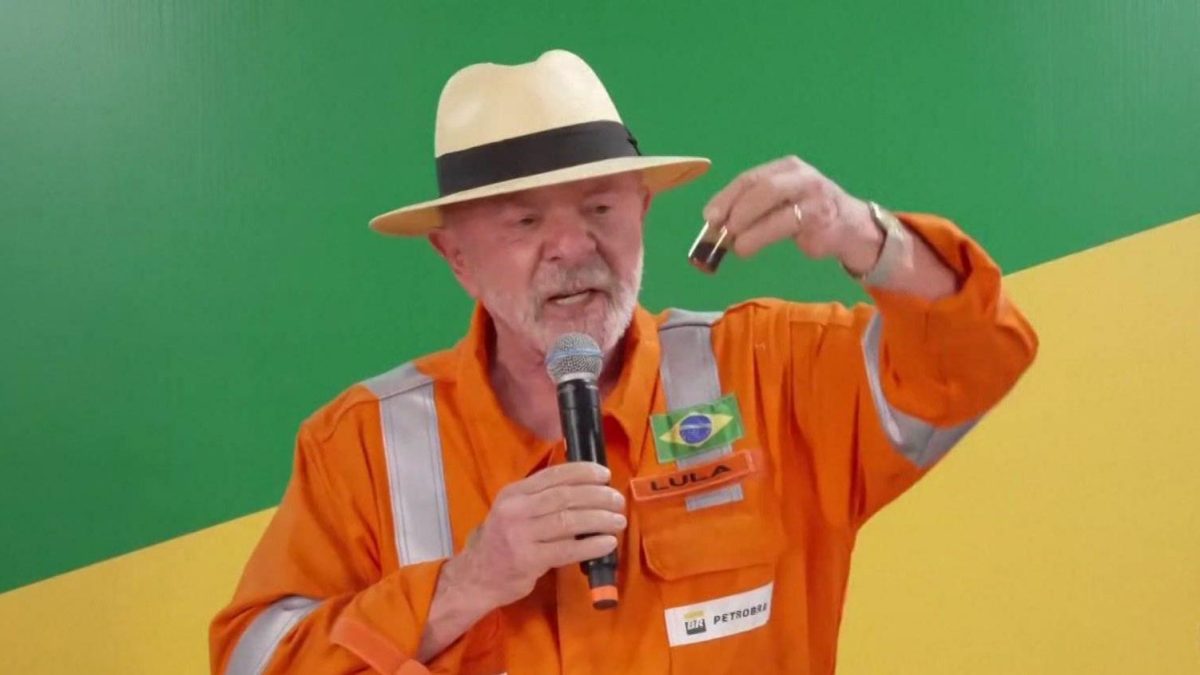
Table of Contents
Brazil’s President Lula Hails Landmark Oil Discovery Near Amazon River
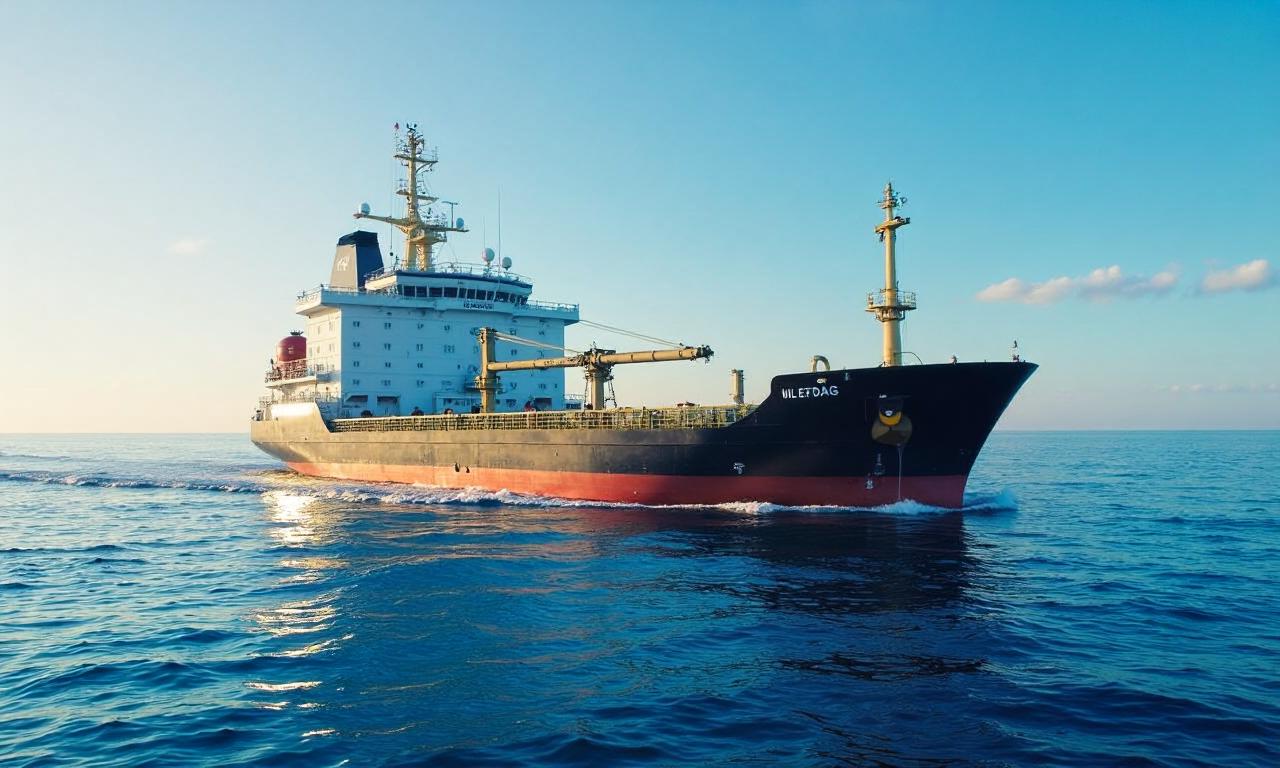
Ninoda.com – Brazil’s President Lula hails a commercial-grade oil discovery roughly 175 kilometres (110 miles) offshore from the mouth of the Amazon River. Petrobras, Brazil’s state-run petroleum company, confirmed the find at a water depth of 2,886 metres (9,469 feet) in the Brazilian Equatorial Margin. The reservoir’s total size remains undetermined, and engineers have yet to confirm whether extraction at that depth would be economically viable. The announcement lands at a politically charged moment, with fewer than two months before Brazil’s October presidential vote.
President Luiz Inácio Lula da Silva marked the occasion by holding up a small vial of the newly sampled crude, calling the find “a passport to the country’s future.” The gesture underscored how the discovery intersects with both energy policy and electoral strategy in equal measure.
Sovereignty and Energy Security
The exploratory deep-water drilling campaign in the Brazilian Equatorial Margin began in October 2025. Petrobras chief executive Magda Chambriard told reporters the result validated the company’s earlier “optimism” about locating hydrocarbons in that margin, while reaffirming its pledge to “ensuring the country’s energy security.” Brazil’s President Lula hails the find as proof that domestic resources can anchor long-term energy independence without reliance on imported fuels, a narrative he has woven throughout his second term.
Lula, who has previously dismissed conservationist objections as “meddling,” reiterated on Monday that foreign voices would not shape Brazil’s resource policy. “This means national sovereignty. We won’t allow anyone to butt in,” he declared, framing the offshore operation as a matter of constitutional prerogative rather than mere commercial interest.
Environmental Concerns and the COP30 Flashpoint
Conservation groups have long flagged the drilling zone as exceptionally biodiverse. Their central fear is that a spill event could damage nearby reef systems, while ocean currents might transport crude into coastal wetlands dense with wildlife. The prospect of such an accident has kept environmental advocates vocal throughout the campaign, with several organisations filing precautionary briefs with Brazil’s environmental regulator.
Environmentalists were stunned when Lula granted Petrobras its exploration licence mere weeks before Brazil hosted the COP30 climate summit last November. On Monday he recalled the backlash, singling out European opposition in particular. “Many people didn’t want me to announce that Petrobras had won the licence because they said that the Europeans would be annoyed,” he said. He added that the timing was deliberate: “I took the decision to announce that people wanted to do exploratory drilling there before COP because the interests of our country and our company were at stake.”
Yet Lula insists the revenue stream is indispensable to financing Brazil’s eventual departure from fossil fuels. Speaking on Monday, he framed the issue as one of sequencing rather than contradiction: “I’m not denying my commitment to the fight for a day when we no longer need fossil fuels, because Brazil will continue to be the king of biofuel innovation and will remain a major player in renewable energy.”
Election-Year Calculus
With the October presidential vote approaching, Lula is courting voters who want economic development along this remote stretch of coastline while simultaneously reassuring those wary of ecological fallout. The nearest settlement, Oiapoque in Amapá state, has already felt the ripple effect: local housing authorities report a surge of newcomers drawn by the prospect of jobs and ancillary opportunities tied to the offshore operation. Brazil’s President Lula hails the discovery as both an economic catalyst and a sovereignty statement, positioning it squarely within his re-election narrative.
Frequently Asked Questions
At what depth was the oil discovered? The reservoir sits at a water depth of 2,886 metres (9,469 feet), approximately 175 kilometres offshore from the Amazon’s mouth in the Brazilian Equatorial Margin.
Has Petrobras confirmed the size of the find? No. The company has not yet published a reserve estimate, and engineers are still assessing whether extraction at that depth would be economically feasible under current market conditions.
How does the discovery relate to COP30? The exploration licence was granted weeks before Brazil hosted the COP30 climate summit last November, prompting criticism from European delegations. Lula defended the timing as a matter of national interest, stating that company and country priorities came first.
What environmental risks do conservation groups cite? Advocates warn that a spill could damage nearby reef systems and that ocean currents might carry crude into coastal wetlands rich in biodiversity. They have called for stricter containment protocols before any production phase begins.