Spies, strategies and missed opportunities: How the lessons of 9/11 are still being learnt

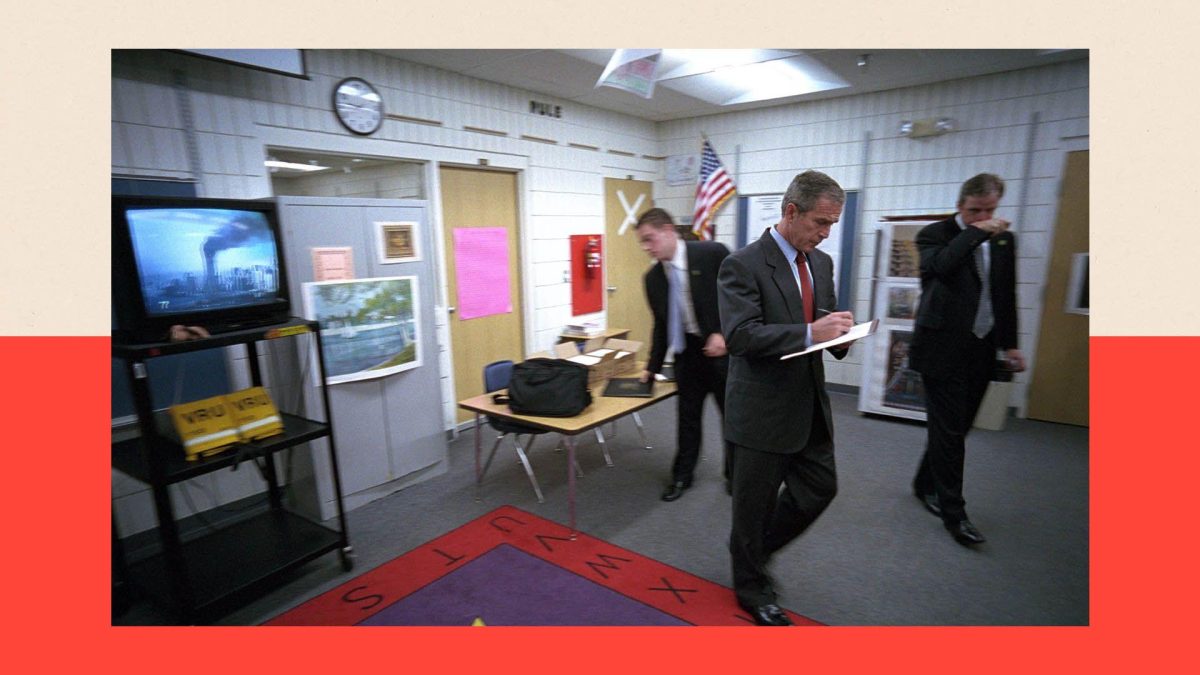
Table of Contents
How 9/11 Reshaped Intelligence, Security and Strategic Thinking
Ninoda.com – The attacks of 11 September 2001 exposed a devastating failure at the heart of the United States’ security system. Nineteen al-Qaeda hijackers turned commercial aircraft into weapons, killing 2,977 people and transforming the way governments approached terrorism, intelligence and foreign policy for decades to come.
The central warning from that day was not that the threat had been invisible. Osama Bin Laden, al-Qaeda’s exiled Saudi leader and the network around him had been known to US intelligence agencies for years. The CIA had even formed a specialist unit focused on finding him. What was missing was the ability to connect scattered pieces of information, assess their combined meaning and act before the plot could be carried out.
That failure became one of the defining lessons of the modern intelligence era: information held in separate institutions is of little value if it cannot be shared, understood and converted into action.
A day that changed the global security agenda
For many people around the world, news of the attacks arrived suddenly and incomprehensibly. As hijacked planes struck the World Trade Center and other targets, it quickly became clear that the event would have consequences far beyond the United States.
President George W Bush was visiting a school in Florida when the attacks unfolded. Nine days later, he announced what became known as the “War on Terror”, setting the direction of US-led security policy for years. Counter-terrorism moved to the centre of international relations, while military operations, surveillance, intelligence cooperation and border security all expanded in response.
The human cost of the attacks remained at the centre of public remembrance, but 9/11 also created a lasting institutional challenge. Governments needed to find ways of stopping complex plots without waiting for a disaster to reveal where their systems had failed.
The problem of information held apart
The US investigation that followed identified serious weaknesses across the intelligence community. The CIA and FBI each possessed material that could have been significant if it had been properly exchanged, interpreted and pursued. Instead, barriers between agencies, limited coordination and an inability to imagine the scale of the threat left crucial warning signs disconnected.
“Failures of imagination, policy, capabilities and management”
That was the conclusion reached by the 9/11 Commission Report in its assessment of the US government’s performance. The findings went beyond a single missed clue or individual error. They described a system that had not adequately assessed available intelligence, coordinated its agencies or taken sufficient steps to interrupt the conspiracy.
In the years since, intelligence sharing among Western partners has improved substantially, even if it can never be flawless. Agencies now place greater emphasis on making sure analysts, investigators, police officers and operational teams can work from the same picture of a potential threat.
From rivalry to closer cooperation
Britain provides a clear example of how counter-terrorism structures have evolved. Earlier institutional divisions between MI5 and police counter-terrorism teams have been reduced through increasingly integrated working arrangements. Regional fusion centres brought different parts of the security system closer together, while London’s high-security Counter Terrorism Operations Centre represents a further step toward joint operations.
In such an environment, an MI5 officer may work alongside police personnel responsible for taking operational action against a suspected plot. The same setting can bring together overseas partners, including an FBI federal agent, as well as specialists seconded from GCHQ. The purpose is practical: a threat can move rapidly from intelligence report to investigative lead, and institutions must be able to respond with similar speed.
Across the Atlantic, the United States reorganised its own intelligence architecture after 9/11. The National Counter Terrorism Center was created near Washington DC, and the role of Director of National Intelligence was established to help coordinate information across the country’s 18 intelligence agencies.
International links also became more important. The partnership between the CIA and Britain’s Secret Intelligence Service, commonly called MI6, has long been among the closest intelligence relationships in the world. It sits alongside the Five Eyes arrangement, through which the United States, United Kingdom, Canada, Australia and New Zealand cooperate in intelligence matters.
Successes did not remove the risk of failure
Over the following 25 years, counter-terrorism agencies on both sides of the Atlantic recorded important successes. Plots have been disrupted, suspects arrested, and individuals prosecuted, convicted and imprisoned. These outcomes reflect more sophisticated cooperation and a greater willingness to treat intelligence as something that must be shared across organisational boundaries.
But the post-9/11 period also showed that better structures do not guarantee better judgment. Intelligence can still be misunderstood, exaggerated, selectively used or shaped by political pressure. Strategic decisions based on flawed assessments can create consequences that last far longer than the immediate crisis.
The most prominent example came before the US-led invasion of Iraq in 2003. Under intense pressure from Washington to produce evidence that Saddam Hussein retained weapons of mass destruction, MI6 provided Tony Blair’s government with intelligence that later proved unreliable. Iraq did not possess the alleged stockpiles of WMDs that became a central justification for war.
The episode caused severe damage to MI6’s reputation, widely viewed as its gravest setback since the exposure of double agents including Kim Philby and other Soviet moles during the 1950s and 1960s. It reinforced another difficult lesson: intelligence services must preserve analytical independence, particularly when political leaders are seeking evidence to support decisions they have already begun to favour.
The unfinished legacy of 11 September
The legacy of 9/11 is therefore not simply a story of security agencies becoming more connected or more powerful. It is also a reminder that effective intelligence depends on disciplined thinking. Institutions must be able to share information, but they must also challenge assumptions, test the credibility of sources and distinguish between evidence and expectation.
For the public, the significance is easy to understand. Governments are expected to protect people from threats they may never see, using information that is often incomplete, uncertain and highly sensitive. The task requires coordination, but it also requires restraint and accountability.
Twenty-five years after the attacks, the fundamental challenge remains unchanged. Preventing terrorism depends on recognising danger early enough to act, while avoiding the costly errors that can follow when fear, institutional rivalry or political urgency overwhelms careful judgment.
Related Reading
Frequently Asked Questions
What is Spies strategies and missed opportunities?
Spies strategies and missed opportunities is the main topic of this guide. The article explains the context, practical details, and next steps readers should understand.
Why does Spies strategies and missed opportunities matter?
Spies strategies and missed opportunities matters because readers are looking for a useful answer, not just a short summary. Good content should match search intent and help them decide what to do next.