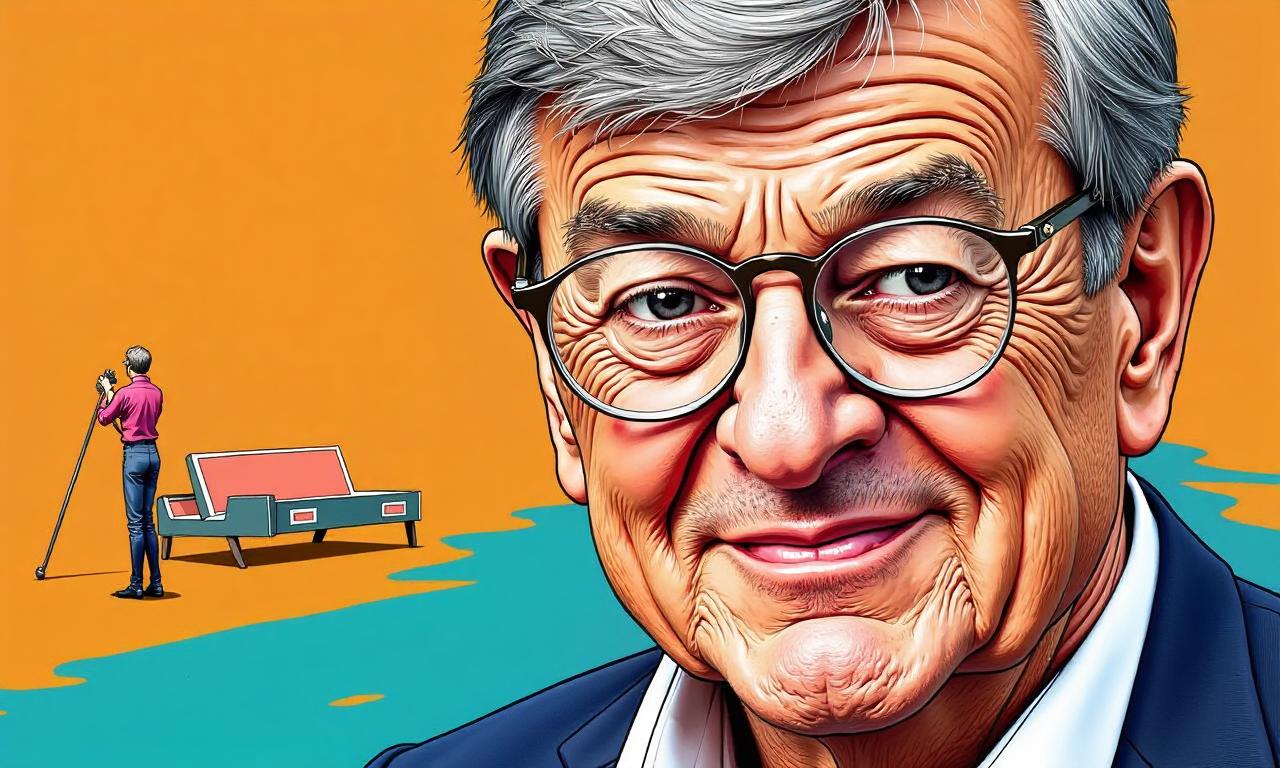
‘Healey torpedoes Starmer’ and ‘Game on!’


Healey Torpedoes Starmer: A Game of Political Realignment
The Resignation That Shook the Political Landscape
Ninoda.com – The resignation of Defence Secretary John Healey has sent ripples through the political arena, with the phrase “Healey torpedoes Starmer” gaining traction as a symbolic representation of the shifting power dynamics within the Labour Party. This dramatic exit, marked by a sharp letter to Prime Minister Sir Keir Starmer, has ignited discussions about the future of national security strategies and the internal politics of the ruling party. The move not only highlights a rift in leadership but also positions the game of political maneuvering as a central theme in the upcoming election season.
“Healey’s decision to resign was a calculated blow,” remarked a political analyst. “It’s a clear indication that the game of leadership is far from over, and Starmer may be facing a pivotal challenge.”
Healey’s critique of the proposed defense budget, which he claimed falls short of ensuring the country’s safety, has been amplified by the media. The Daily Telegraph emphasized the “stinging” nature of his letter, framing it as a direct challenge to Starmer’s authority. Meanwhile, the Sun dubbed the event a “blistering attack,” with its headline “Thanks but No Tanks” encapsulating the public’s frustration over the budget’s inadequacy. The Metro further underscored the impact of Healey’s departure, describing Starmer as “plunged into yet another crisis” that could affect his political standing.
Analysts suggest that the resignation is part of a broader strategy to reshape the party’s direction, with Healey’s actions seen as a bold move to assert influence over policy decisions. The focus keyword “Healey torpedoes Starmer” has become a recurring theme in political discourse, reflecting the intensity of the situation. This game of political chess has captivated the nation, with observers eager to see how the next moves will unfold in the shadow of the upcoming World Cup.
Media Coverage and Public Sentiment
As the World Cup kicks off in Mexico, the media landscape is divided between the global spectacle and the local political drama. The Daily Express captured the public’s excitement with the headline “Greatest Show in the World is Finally Here,” while the Times focused on the ceremonial aspects, describing the opening event as a “proper” spectacle that could not be missing. However, the “Game” of political upheaval has overshadowed the sporting event in many circles, as the debate over defense spending intensifies.
“The World Cup brings joy, but the game of politics remains fierce,” noted a journalist. “Healey’s resignation is a critical moment that could redefine the party’s future.”
Meanwhile, the Times highlighted a controversy involving the National Health Service, where a hospital offered to transport a £70 tablet to former deputy chief medical officer Prof Jonathan van Tam. This incident, described as “hard to swallow,” has sparked conversations about the efficiency of public services and how they intersect with the political narrative. As the nation tunes into both the World Cup and the political drama, the balance of attention is a key factor in the ongoing competition for headlines.
Public reaction has been mixed, with some expressing support for Healey’s stance on national security and others questioning the timing of his resignation. The “Game” of political accountability is being closely watched, as citizens seek clarity on the implications of this leadership shift. With the upcoming election looming, the media’s portrayal of these events will play a crucial role in shaping public opinion and voter sentiment.
Adding to the complexity, the debate over the defense budget has sparked discussions about the priorities of the current government. Critics argue that the proposed increase in defense spending, which would amount to just 0.08% of GDP by the end of the decade, may not be sufficient to address growing global threats. This has led to calls for a more robust strategy, with some suggesting that the “Game” of political survival is now on the line as Starmer navigates the aftermath of Healey’s resignation.
Impact on Policy and Future Directions
The resignation of John Healey has not only created a leadership vacuum but also prompted a reevaluation of the defense budget and its implications for national security. The phrase “Healey torpedoes Starmer” has entered the political lexicon, symbolizing the challenges that Starmer faces in maintaining his coalition’s unity. As the government prepares for the next phase, the focus on the “Game” of political strategy is evident, with stakeholders scrutinizing every move for potential impact.
Healey’s departure has intensified the debate over the direction of the Labour Party, as various factions vie for influence. The Daily Mail has been vocal in its criticism of the budget, suggesting that Chancellor Rachel Reeves is prioritizing “benefits over bullets” in a climate of increasing global threats. This critique has resonated with many, highlighting the need for a more assertive approach to national defense in the face of evolving challenges.
As the political landscape shifts, the “Game” of public perception is also in play. The media’s role in amplifying Healey’s message has been pivotal, with reports emphasizing the gravity of his resignation and its potential consequences. The ongoing discussions about the defense budget and the leadership crisis have underscored the importance of effective communication in maintaining public support and trust. With the World Cup capturing the imagination of the public, the political “Game” is now more critical than ever in shaping the narrative of the upcoming election season.
Looking ahead, the challenges posed by Healey’s resignation and the global event will likely intersect in unexpected ways. As the nation turns its attention to both the World Cup and the political landscape, the stakes for the Labour Party have never been higher. The “Game” of political survival continues, with every decision carrying significant weight in the eyes of the public and media alike.