‘Almost rage bait’: Has Euphoria gone from defining Gen Z to dividing them?

Almost rage bait: Has Euphoria gone from defining Gen Z to dividing them?
Ninoda.com – Euphoria, once a beacon of Gen Z adolescence, now finds itself at the center of a heated debate. As its third season concludes, questions linger about whether the show has shifted from a mirror of its audience’s experiences to a source of division. The series, which first captured the zeitgeist in 2019, has evolved into a spectacle that some argue prioritizes viral appeal over emotional authenticity. Critics and fans alike are split, with viewers questioning if the show’s latest chapter has lost its soul—or if it’s simply grown into a more extreme version of itself.
A Season of Extreme Chaos
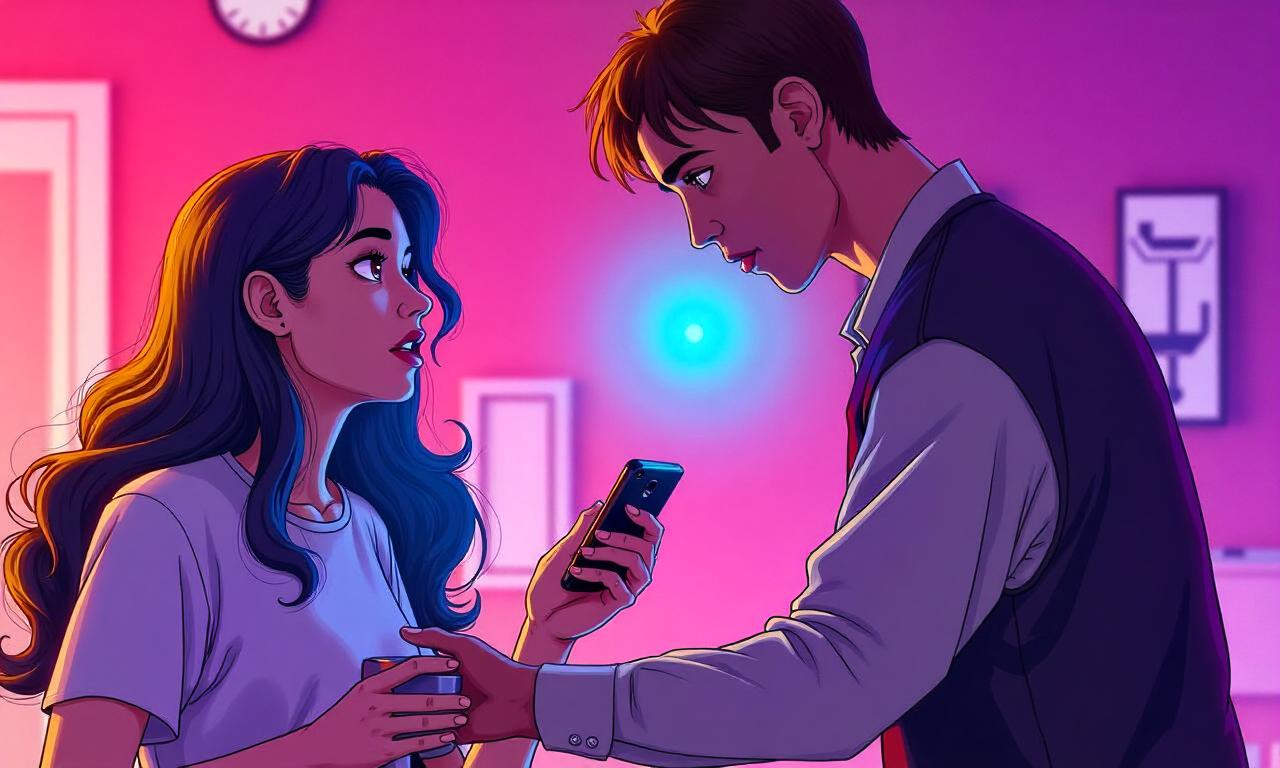
Season three of Euphoria plunges its characters into a darker, more fractured adult world. Rue, the show’s protagonist, now swallows drug-filled balls and smuggles them across borders. Cassie, a former high school standout, is seen uploading explicit content to OnlyFans to fund her wedding. Nate’s revenge-driven episodes feature grotesque scenes of self-destruction, while Jules sacrifices her artistic ambitions for a relationship with a wealthier man. These extremes have pushed the narrative to surreal heights, leaving audiences both captivated and frustrated.
Sam Levinson, the showrunner, claimed season three would be “our best season yet” before its release. Yet, the critical reception has been mixed. With a weighted average of 56% on Metacritic, the season has sparked polarized reactions. While the show’s viewing figures are record-breaking—12.3 million in the U.S. alone, with global numbers surpassing 20 million—the emotional resonance has waned for many. Warner Bros. Discovery reports a 68% spike in viewership compared to the previous season, suggesting that the show’s intensity continues to draw large audiences. However, some fans feel the content has become overly stylized, losing its connection to real-life struggles.
The Viral Formula
From the outset, Euphoria thrived on its ability to generate shareable moments. The show’s creators intentionally crafted scenes that felt both hyper-realistic and exaggerated, designed to reflect the tumult of teenage life. But this season, the strategy has taken a new turn. Certain episodes seem tailored for social media, with specific moments engineered to spark memes and online chatter. For instance, Cassie’s transformation into a baby costume or Nate’s dramatic line, “you’ve been a bad, bad dog,” have become recurring internet jokes.
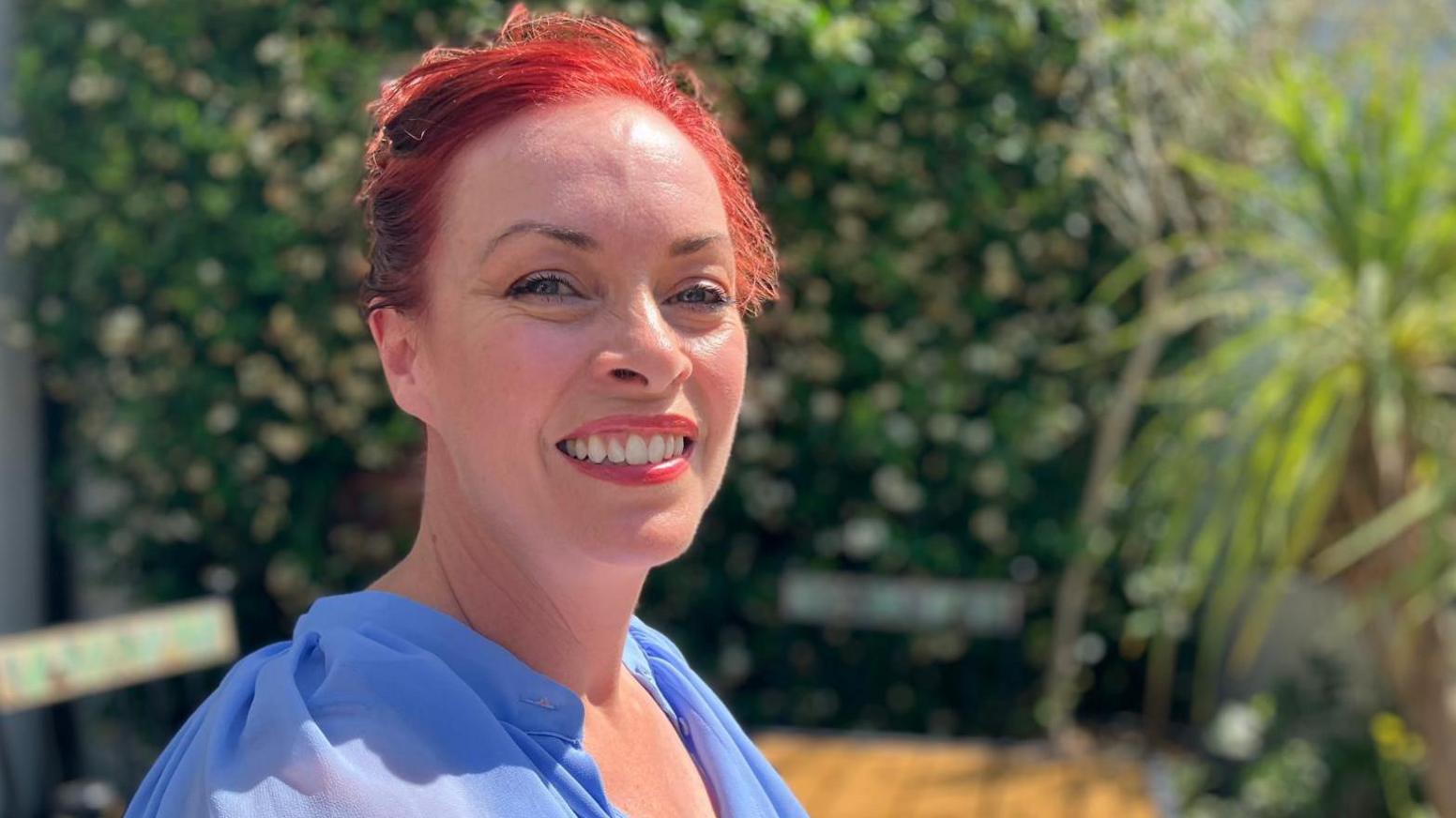
These choices have drawn criticism. Jess Bacon, a journalist and author, calls the show “almost rage bait at this point,” suggesting its relentless pursuit of virality has sacrificed depth for spectacle. “The plot feels one-dimensional,” she argues, “and the heavy themes—sex work, misogyny, tradwife culture—are now explored without the nuance that made earlier episodes so impactful.” Bacon believes the show’s current direction has alienated its core audience, who once saw their own lives in the characters’ struggles. “It’s as if the creators are trying to cater to every possible trend, but in doing so, they’ve lost sight of what made the series relatable.”
Fandom Divides
For many teens who first tuned in during the show’s debut, Euphoria was a reflection of their own experiences. Fans like Eve Rigby, 23, recall how the early seasons resonated deeply with their peers. “The characters felt like a stylized version of us at 17,” she says. “Cassie’s objectification, Maddy’s domestic abuse, and Kat’s body image concerns mirrored issues we saw in our communities.” But as the series progressed, the connection grew tenuous. “Season three feels detached,” Rigby adds. “Most of us aren’t OnlyFans creators or getting kidnapped by the mob. Even Lexi’s ‘normal’ life—a Warner Bros. 9–5 while living alone in an LA apartment—would be a dream for friends who’ve been binge-watching clips on TikTok rather than paying for a subscription.”
The show’s visual identity, once a key strength, now feels more like a calculated aesthetic choice than a genuine reflection of Gen Z culture. Neon LED strip lighting, gemstone eye looks, and the characters’ flamboyant outfits at small-town events have become emblematic of its latest style. While these elements once seemed authentic to the audience’s lived experiences, they now appear more like a curated image. “It’s like the show is using its visuals to mask the lack of substance,” Rigby says, “instead of letting the story speak for itself.”
Between Relatability and Intensity
Despite the criticisms, Euphoria remains a cultural phenomenon. Its brutal honesty about the challenges of growing up has kept viewers hooked, even as the plot grows more convoluted. Some fans argue that the season’s intensity is a necessary evolution, pushing the characters into more extreme scenarios to explore the consequences of their choices. “The show doesn’t shy away from violence or despair,” says Noah Ives from the Chicks in the Office podcast. “It’s way more entertaining in the last few episodes, which feel like a natural progression of Rue’s journey.”
However, others see a disconnect between the show’s themes and its execution. Daisy Jones, writing in Vogue, critiques the series’ “obsession with sex work,” calling it “peculiar and persistent.” She argues that the portrayal has become dated, lacking the complexity that defined earlier episodes. “It feels like the show is using sex work as a gimmick rather than a meaningful lens,” she writes. “The characters’ motivations are no longer as layered as they once were.”
Yet, for every detractor, there are those who appreciate the show’s boldness. The decision to take its characters into adulthood, far removed from the carefree high school setting of seasons one and two, has opened new narrative possibilities. But this shift has also raised questions about the show’s ability to maintain its original voice. “Euphoria was about the raw, unfiltered emotions of youth,” Bacon notes. “Now, it feels like it’s chasing trends at the expense of its core identity.”
Legacy and Longevity
As the series wraps up, its legacy remains a topic of discussion. For some, it has become a symbol of Gen Z’s struggles, capturing the essence of a generation navigating identity, trauma, and ambition. For others, it has become a battleground where fans argue over whether the show is still relevant. “It’s not that Euphoria isn’t good anymore,” Rigby says. “It’s just that it no longer feels like it’s speaking to us directly. It’s more like it’s speaking to an audience that’s always one step ahead of us.”
Regardless of the debate, Euphoria’s influence on popular culture is undeniable. Its characters have become icons, and its stories have sparked conversations about adolescence, mental health, and societal pressures. While the third season may not have fully aligned with its original vision, it has proven that the show’s intensity can still captivate. The question now is: Has Euphoria become a polarizing force, or is it simply evolving into a new chapter of its journey? The answer, like the characters themselves, may be as fragmented as the show’s narrative.
“The plot feels one-dimensional, and the heavy themes—sex work, misogyny, tradwife culture—are now explored without the nuance that made earlier episodes so impactful.” – Jess Bacon
“The show doesn’t shy away from violence or despair. It’s way more entertaining in the last few episodes, which feel like a natural progression of Rue’s journey.” – Noah Ives