Tunisia sack Lamouchi just one game into World Cup

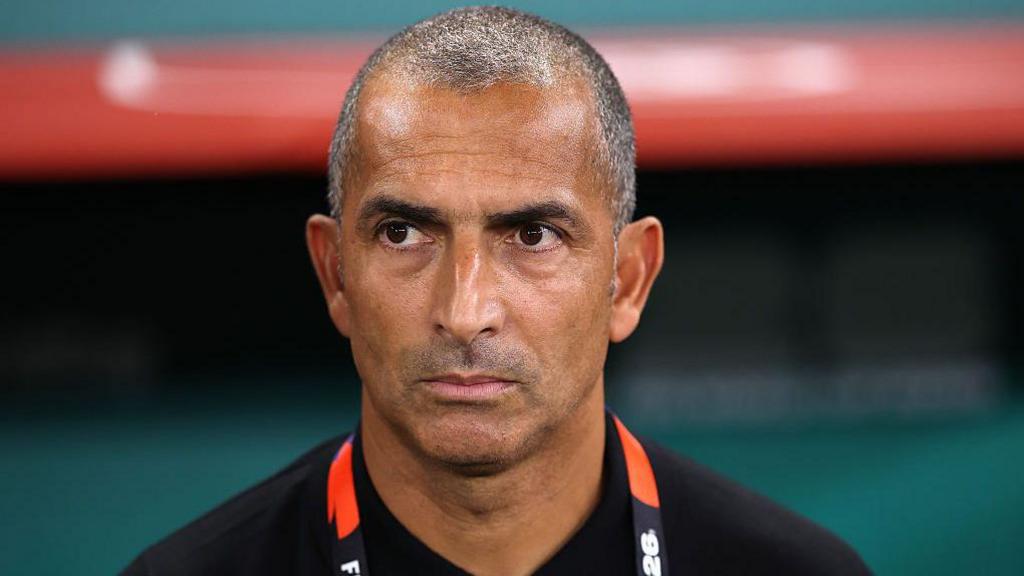
Table of Contents
Tunisia sack Lamouchi just one game into World Cup
Ninoda.com – Tunisia’s national football team made a dramatic decision just one game into the 2026 World Cup, parting ways with head coach Sabri Lamouchi following a crushing 5-1 defeat to Sweden in their opening match. The loss, which took place at the Estadio Monterrey in Guadalupe, Mexico, sent shockwaves through the Tunisian football community, marking a rare and swift managerial change in international competition. Despite initial reports suggesting Lamouchi was immediately dismissed after the match, the Tunisian Football Association later confirmed that the 54-year-old continued training on Monday, indicating the decision was made by mutual agreement. This move not only highlights the intensity of the World Cup’s early stages but also signals a shift in the team’s strategy as they prepare to face Japan and the Netherlands in their remaining Group F fixtures.
The Opening Match That Sparked the Resignation
The 5-1 loss to Sweden was a wake-up call for Tunisia, exposing vulnerabilities in their defensive setup and midfield control. The team, which had entered the tournament with high hopes, struggled to contain Sweden’s attacking prowess, conceding goals in rapid succession. Analysts pointed to a lack of cohesion in the squad’s play, with players appearing disoriented and unable to execute the tactical plan. This performance was particularly damning for Lamouchi, who had been tasked with steering Tunisia to a more competitive position in the Group F standings. The sacking of Lamouchi just one game into the World Cup underscores the immense pressure on coaches to deliver results immediately, a trend that has become increasingly common in high-stakes tournaments.
Tunisia’s decision to sack Lamouchi marks a pivotal moment in the 2026 World Cup campaign, as the nation seeks to turn their fortunes around. The head coach’s five-month tenure with the team, which began in January after taking over from Sami Trabelsi, had been marred by inconsistent performances. Prior to the World Cup, Tunisia had struggled in their warm-up matches, losing 1-0 to Austria and suffering a 5-0 drubbing against Belgium. These setbacks, combined with the opening-day defeat, created a compelling case for a change in leadership. The Tunisian Football Association’s swift action to replace Lamouchi reflects a growing urgency to adapt and improve in the face of early challenges.
The Impact of a One-Game Sacking
This unprecedented move has raised questions about the expectations placed on national teams in the modern World Cup era. Lamouchi becomes the first coach to be sacked after just a single match since the tournament’s inception, a development that highlights the razor-thin margins for success in Group stage play. His departure also serves as a reminder of the evolving dynamics in football management, where even a single poor performance can lead to a cascade of decisions. The Tunisian Football Association’s statement emphasized the mutual agreement behind the termination, suggesting that the coaching staff and management had collectively decided that a new direction was necessary to salvage the campaign.
With Herve Renard, the former manager of Morocco and Saudi Arabia, now appointed as the new coach, Tunisia faces a new challenge in redefining their approach. Renard’s arrival brings a wealth of experience, having previously led teams to World Cup qualifications and continental success. His appointment is seen as a calculated effort to inject fresh tactics and motivation into the squad, though it also raises the stakes for the team’s upcoming matches. Fans and pundits alike are now closely monitoring whether the new coach can quickly address the team’s weaknesses and deliver results that match the high ambitions of the 2026 tournament.
Historical Context and Future Implications
Tunisia’s decision to sack Lamouchi echoes past instances of high-pressure managerial changes, such as the removal of Henryk Kasperczak after a poor start in the 1998 World Cup or Julen Lopetegui’s exit from Spain two days before the 2018 tournament. However, Lamouchi’s sacking is unique in its timing, occurring within a single game rather than over a series of matches. This sets a new precedent for the World Cup, where coaches must now navigate the possibility of being replaced almost instantly. The implications of this decision could extend beyond the current tournament, as it may influence how future teams manage their coaching staff in the face of early setbacks.
The Tunisian Football Association’s move to replace Lamouchi just one game into the World Cup reflects a broader trend in football management toward accountability and adaptability. Coaches are now expected to demonstrate effectiveness from the very first match, with no room for error in the high-profile stage of the World Cup. This pressure is compounded by the competitive nature of Group F, where Tunisia faces Japan and the Netherlands in upcoming fixtures. The new coaching regime will need to quickly implement changes to address the team’s performance issues and keep them in contention for a spot in the knockout stages. As the 2026 World Cup progresses, the success of Renard’s tenure will be closely scrutinized by fans and analysts alike.