Meet the Iraq player set to make history for Pakistan

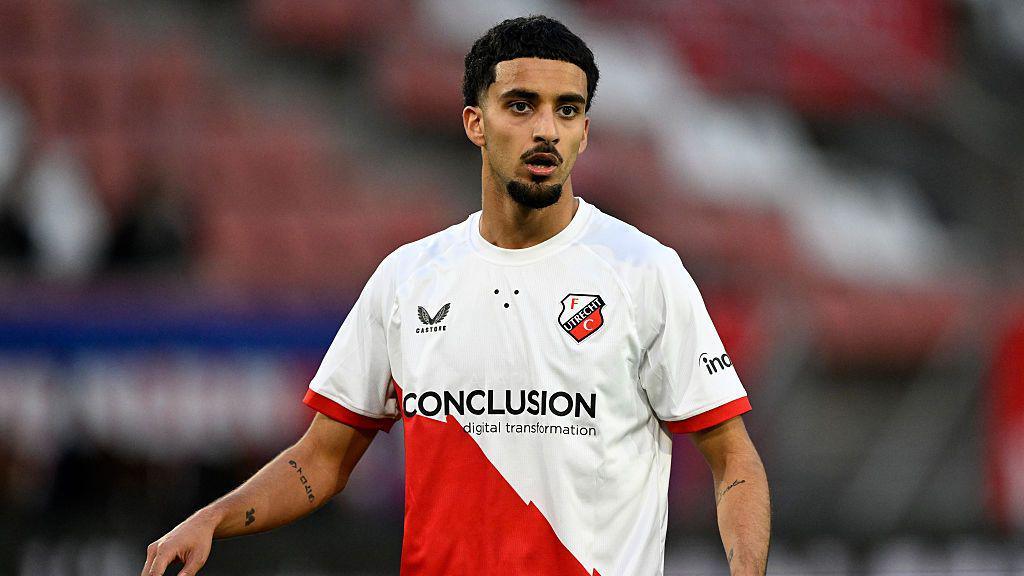
Meet the Iraq player destined to etch Pakistan’s name in football history
Ninoda.com – Zidane Iqbal, a midfielder with FC Utrecht, is set to become a pivotal figure in Pakistan’s football narrative. Though he plays for Iraq, his participation in the men’s World Cup could mark a breakthrough moment for a nation with over 240 million people—ranked fifth globally in population—whose team has never advanced beyond the qualifiers. This achievement would be the first of its kind for Pakistan, a country that has long struggled to reach the global stage in the sport. Despite being 198th in the FIFA rankings, Iqbal’s presence could inspire a new era of hope for South Asian fans.
A heritage bridging two nations
The 23-year-old, born and raised in Manchester, carries dual heritage. His father is Pakistani, while his mother is Iraqi, creating a unique connection to both cultures. Iqbal, who emerged from Manchester United’s academy, will represent Iraq on Tuesday, yet the significance of his appearance extends far beyond the pitch. For Pakistan, it will be a historic moment, as he becomes the first player of South Asian descent to compete in the World Cup. “To be honest, I didn’t even know it myself,” he shared with BBC Sport. “I followed the account that posted it and sent it to my dad straight away. I think we were both surprised.”
“When I tried to qualify for the World Cup with Iraq, I didn’t think of anything like this,” he added. “My dad is Pakistani. He’s the man I respect the most in my life, who helped me so much in my career.”
Iqbal’s pride in his roots is evident. He wears the Iraqi flag on his left boot and the Pakistani flag on his right, symbolizing his commitment to both sides of his identity. “I think that’s because I respect both sides,” he explained. “When people ask me what I feel more connected to, I can’t answer. For me, they’re both equal. It’s about respect and something I carry with a lot of pride.”
A milestone for diaspora and aspiring players
Iqbal’s journey isn’t without precedent. He was previously recognized as the first British South Asian to play in the Champions League in nearly two decades. Now, his World Cup participation could redefine possibilities for young athletes of Pakistani heritage. “I’m still young, but I’ll be the first Pakistani player to play in the World Cup,” he said. “Hopefully, a few kids that aspire to be footballers will look at that and believe they can do it too.”
“Football is a hard journey,” he continued. “I think if you ask any professional, it’s not easy at all and everyone has their ups and downs. A lot of commitment and hard work is needed. So hopefully when kids see people trying to be a professional footballer, or me, they see that you can make it from any background, any area, any religion.”
Ahmed Shahzad, founder of the social media account “Pakistani Talents,” highlighted the cultural impact of Iqbal’s story. “Every Pakistani football fan knows about Zidane Iqbal,” Shahzad noted. “Historically, there’s been very little Pakistani representation at the top level of football, especially on the global stage like the World Cup. That is a big inspiration for a lot of young Pakistanis, even locally and in the diaspora.”
For many in the community, Iqbal’s dual identity represents a bridge between two worlds. His story not only reflects personal pride but also challenges the perception that success in football is limited to certain regions or backgrounds. As the World Cup approaches, his boots may carry more than just flags—they could carry the dreams of an entire nation.