
Watch: Why is Trump furious with Netanyahu over strikes on Lebanon?

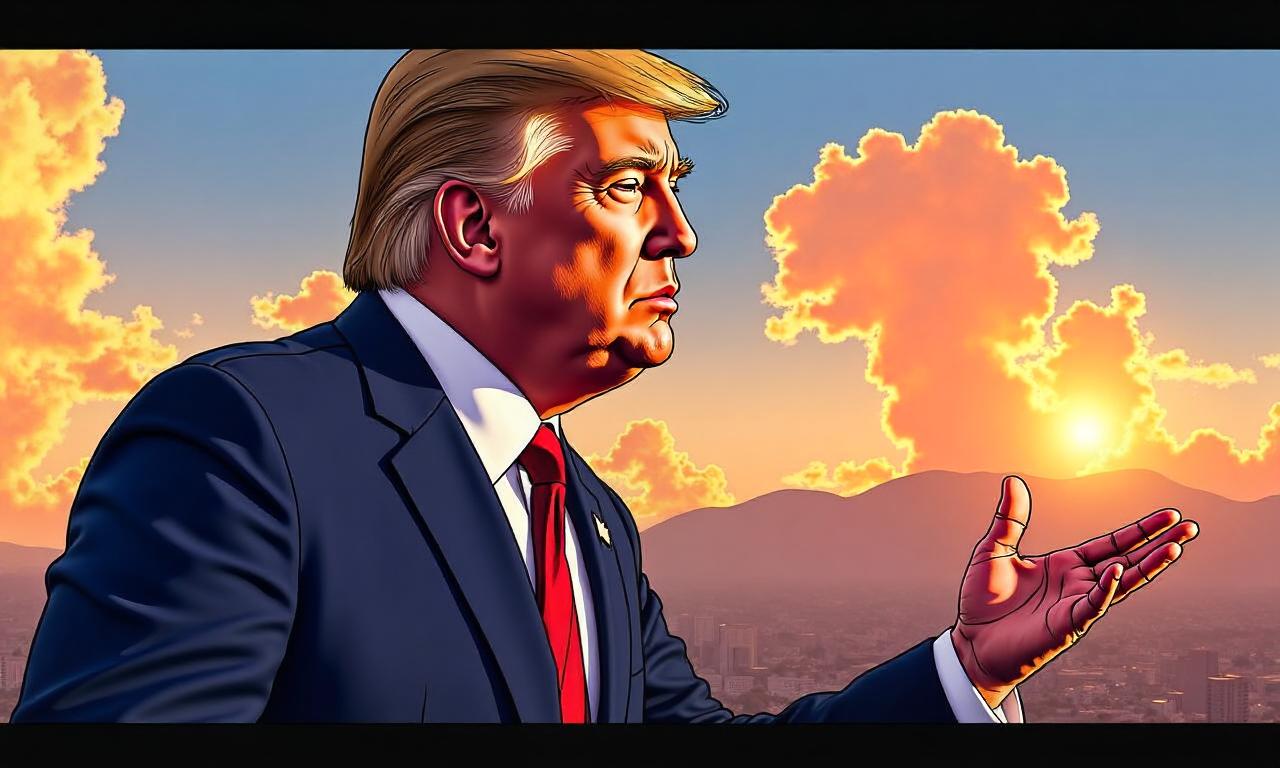
Watch: Why is Trump furious with Netanyahu over strikes on Lebanon?
Ninoda.com – The focus keyword, “Watch: Why is Trump furious with Netanyahu over strikes on Lebanon?” highlights a growing rift between US President Donald Trump and Israeli Prime Minister Benjamin Netanyahu. In a recent analysis, BBC correspondent Tom Bateman delved into the tensions following Israeli strikes on Beirut, which have drawn sharp criticism from Trump. The president described the attacks as “vicious,” questioned Israel’s strategic decisions, and suggested that Syria could have handled Hezbollah with greater precision, minimizing civilian casualties. This marks a notable departure from Trump’s usual vocal support for Israeli military actions, sparking questions about the underlying reasons for his frustration.
Escalation of Regional Conflict
The strikes on Beirut, part of an intensified campaign against Hezbollah, have reignited concerns about the humanitarian impact in Lebanon. With the fragile ceasefire between Israel and Hezbollah hanging by a thread, the conflict has spilled over into civilian areas, leading to widespread displacement and casualties. Trump’s comments reflect a growing unease over the scale of the operation, which he argued could have been executed with less collateral damage. His criticism aligns with concerns from some US allies about the potential for escalating regional tensions, particularly as Iran continues to support Hezbollah in the war.
“We’re taking out millions of barrels of oil from Iran. They didn’t know until right now,” the president said.
These remarks also underscore a broader strategy of economic pressure on Iran, which Trump has long advocated as part of his approach to Middle East conflicts. By highlighting the strikes on Lebanon and the oil removal from Iran, he appears to be tying together multiple fronts of the ongoing geopolitical struggle. Analysts suggest that Trump’s anger may stem from a combination of strategic miscalculations and a desire to reassert American influence in the region, particularly after the recent ceasefire.
Historical Context and Policy Shifts
Trump’s abrupt shift in tone toward Netanyahu comes as part of a larger pattern of skepticism toward Israeli military campaigns. While he has historically praised Israel’s actions in the region, this latest critique signals a possible realignment of priorities. The president’s focus on minimizing civilian casualties suggests a concern over public perception, especially as US allies like Germany and France have expressed criticism of the strikes. This could impact Trump’s diplomatic standing and his ability to secure international backing for Israel’s operations.
Additionally, Trump’s remarks may reflect a broader critique of Netanyahu’s leadership. The prime minister, known for his hardline stance on Iran and Hezbollah, has faced backlash for not adequately protecting civilian populations during the strikes. Trump’s frustration could be a calculated move to pressure Netanyahu into adopting a more cautious approach, or it could indicate a deeper ideological divide between the two leaders on the use of force in the region.
Global Reactions and Diplomatic Implications
The fallout from Trump’s comments has not gone unnoticed by international leaders. In Washington DC, Eurovision fans gathered to celebrate their favorite European acts, showing the contest’s enduring global appeal. However, the same week, the BBC’s Brandon Livesay reported from Havana, where the US accused former Cuban leaders of conspiracy to kill American nationals, linking it to the 1996 downing of two civilian aircraft. These incidents highlight the US’s active role in shaping international relations, even as it critiques Israeli actions.
Meanwhile, in Toronto, Bosnian-Herzegovina fans shared their experiences of the high cost of attending the team’s debut game. The event, attended by excited supporters, underscored the international reach of sports, but also raised questions about the balance between public diplomacy and military strategy. Trump’s focus on Lebanon and Iran may be part of a larger effort to position himself as a key player in Middle Eastern conflicts, even as he distances himself from some of Israel’s more controversial actions.
As the situation unfolds, the focus keyword, “Watch: Why is Trump furious with Netanyahu over strikes on Lebanon?” remains central to understanding the dynamics between the two leaders. The strikes, which have been a significant part of the conflict, are now at the heart of a political debate that could reshape the US-Israel relationship. With the potential for further escalation, the focus keyword serves as a reminder of the high stakes involved in this ongoing crisis.