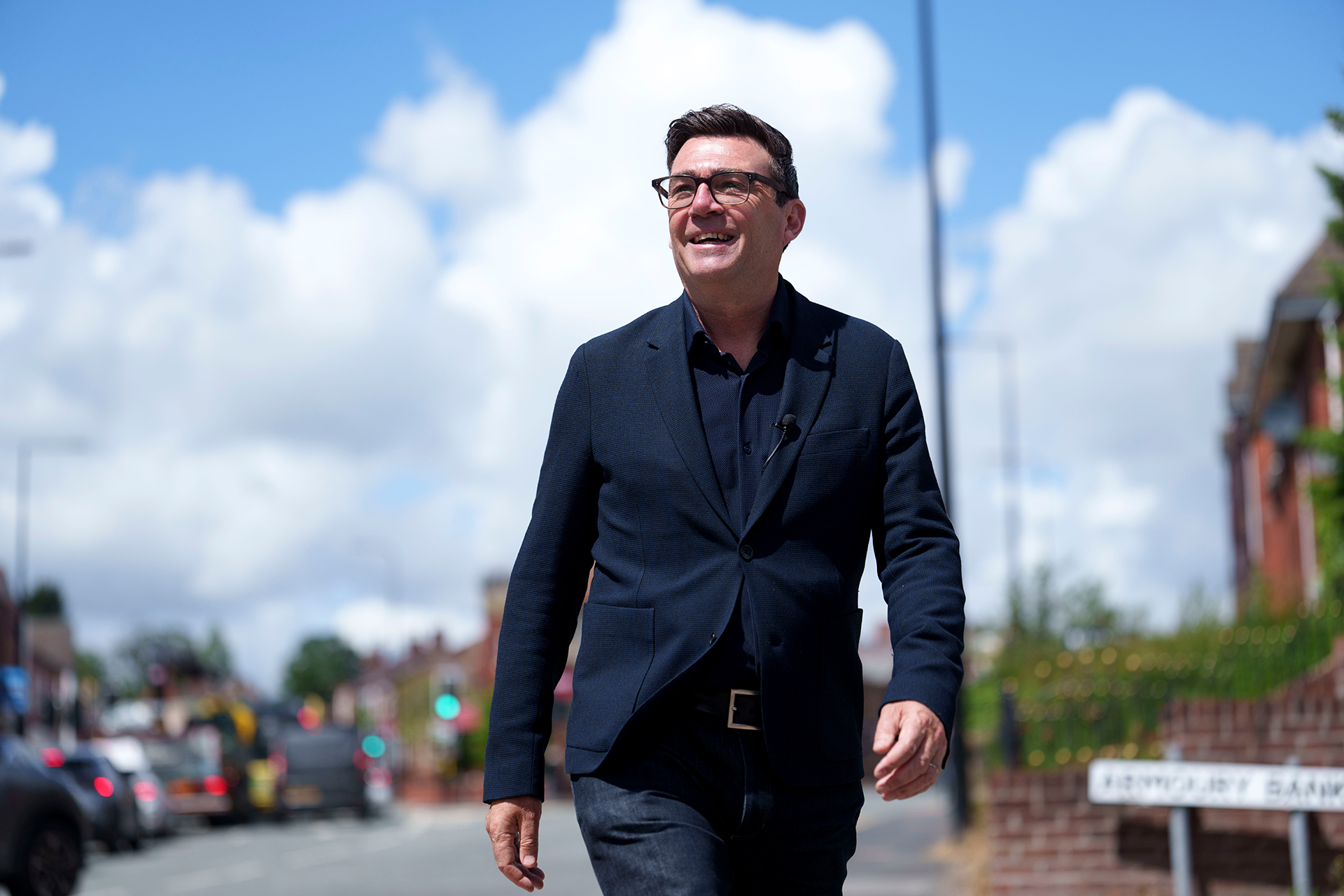
Spurred on by the painful death of her dad, Natalie Cassidy trains as a carer

Natalie Cassidy: Caring Together
Ninoda.com – Natalie Cassidy, best known for her iconic role as Sonia Fowler in *EastEnders*, is undergoing a personal transformation that takes her beyond the spotlight. The 32-year-old actor has swapped her career in television for a year-long training program as a carer, a decision driven by the profound impact of her father’s final days. This journey forms the heart of her new BBC series, *Natalie Cassidy: Caring Together*, which aims to highlight the struggles within Britain’s care system and celebrate the resilience of those who support it.
A Catalyst for Change
Cassidy’s motivation stems from the emotional toll of caring for her father as he faced the end of his life. “The last hours were both agonizing and deeply moving,” she reflects in a recent interview. “I remember holding his hand and running my fingers along his arm, whispering, ‘It’s alright, you can go now, we’re all here, you’ve done your job.’” These moments, she explains, became a turning point, prompting her to explore the caregiving profession more deeply. “The people I met during that time changed my life and gave me the strength to take this step,” she says.
“The final moments were breathtakingly hard but quite incredible really,” Cassidy recalls. “I just remember holding his hand and stroking his arm, and saying, ‘It’s OK, you can go now, we’re all good, you’ve done your job.’”
Her father, who passed away in April 2021, was the driving force behind her new mission. “Losing him was one of the most painful experiences I’ve ever endured,” she shares. “But the support I received from Linda, his carer, was incredible. She was there at the very end, and I couldn’t have done it without her.” This partnership, she explains, allowed her to balance her career while providing care for her father, a dynamic she now seeks to understand more fully through her training.
Reconnecting with Roots
Cassidy’s path into caregiving is not entirely new. Her mother had long been a caregiver for her grandmother, who lived with the family during her early years. “Caring has always been a part of my life,” she notes. “I grew up surrounded by it, and it’s something I’ve always felt connected to.” This foundation led her to appreciate the importance of care, even as she pursued her acting career. “I’ve only ever had one job, but I’ve always wondered what I would have done if I hadn’t become an actress,” she admits.
Now, she’s returning to the classroom for the first time since leaving school at 16 to earn a Level 3 BTEC in health and social care. The course covers a range of topics, from autism to dementia, and includes placements at a childhood diabetes unit, St John Ambulance, and a care home. “It’s been eye-opening to see how much there is to learn,” she says. “I’ve discovered that the care profession is as complex and rewarding as it is demanding.”
Embracing the Challenges
During her training, Cassidy has encountered a diverse group of students and professionals, each bringing a unique perspective to the field. She’s particularly moved by the dedication of young people who aspire to careers in caregiving. “I’m amazed by the empathy of these 17- and 18-year-olds,” she comments. One standout is Tilly, a student who has been caring for her paralyzed mother since childhood. “Tilly’s story is a reminder that caregiving often begins at a young age and continues through life,” Cassidy observes.
The UK’s care sector is facing unprecedented challenges, with financial strains, staff shortages, and rising closures threatening its stability. Cassidy’s journey underscores the vital role of unpaid carers, many of whom provide hundreds of hours of support each week. “There are millions of unsung carers working tirelessly,” she explains. “They don’t talk about it, but they’re the backbone of our system.”
Recent data from the UK Census reveals that nearly 5.8 million people in the country are unpaid carers, with almost a third dedicating 50 or more hours weekly to their responsibilities. A BBC Radio 5 Live survey highlighted similar struggles, as over 600 respondents shared how caregiving has affected their lives. “Many have had to give up work, or face loneliness and exhaustion,” Cassidy says. “It’s a job that requires more than just time—it demands heart and strength.”
Learning from the Frontlines
Cassidy’s own experience as a volunteer at a dementia home has deepened her appreciation for the profession. “I was already volunteering in that space, but the course has given me a new perspective,” she says. While studying home care, she met Lisa, a woman living with primary progressive multiple sclerosis, and her partner Gary, who supports her. “Their resilience is incredible,” Cassidy adds. “They’re always smiling, happy, and deeply in love, even while facing huge challenges.”
Her most memorable experience, however, came from working with individuals living with dementia. “Monica, a former nurse with Alzheimer’s, was truly remarkable,” she says. “I genuinely came away from the dementia home feeling a strong connection to the people there. I want to be with them again, to spend more time helping them.” This emotional bond has fueled her commitment to the role, despite the demands of the training.
“There are millions of unsung carers just doing their business and going about it and they don’t talk about it,” Cassidy says. “I’m inspired by their quiet strength and dedication.”
The launch of *Natalie Cassidy: Caring Together* marks the beginning of Caring Matters Week, a BBC initiative celebrating the contributions of unpaid carers. Alongside the series, episodes of *Songs of Praise*, *Morning Live*, and *Bargain Hunt*, as well as radio broadcasts, will amplify the stories of those who care for loved ones in their homes and communities. “This week is about honoring the people who often go unnoticed,” Cassidy says. “Their work is essential, and I want to share their journey with the world.”
As the series unfolds, Cassidy hopes to inspire a broader audience to recognize the value of caregiving. “I’ve always wanted to understand what it means to care for others,” she says. “Now, I’m not just learning—I’m living it.” Her story, interwoven with the experiences of students and professionals, aims to shed light on the emotional and physical demands of the care system, while celebrating the courage of those who step up to support