England boss Tuchel not a fan of hydration breaks

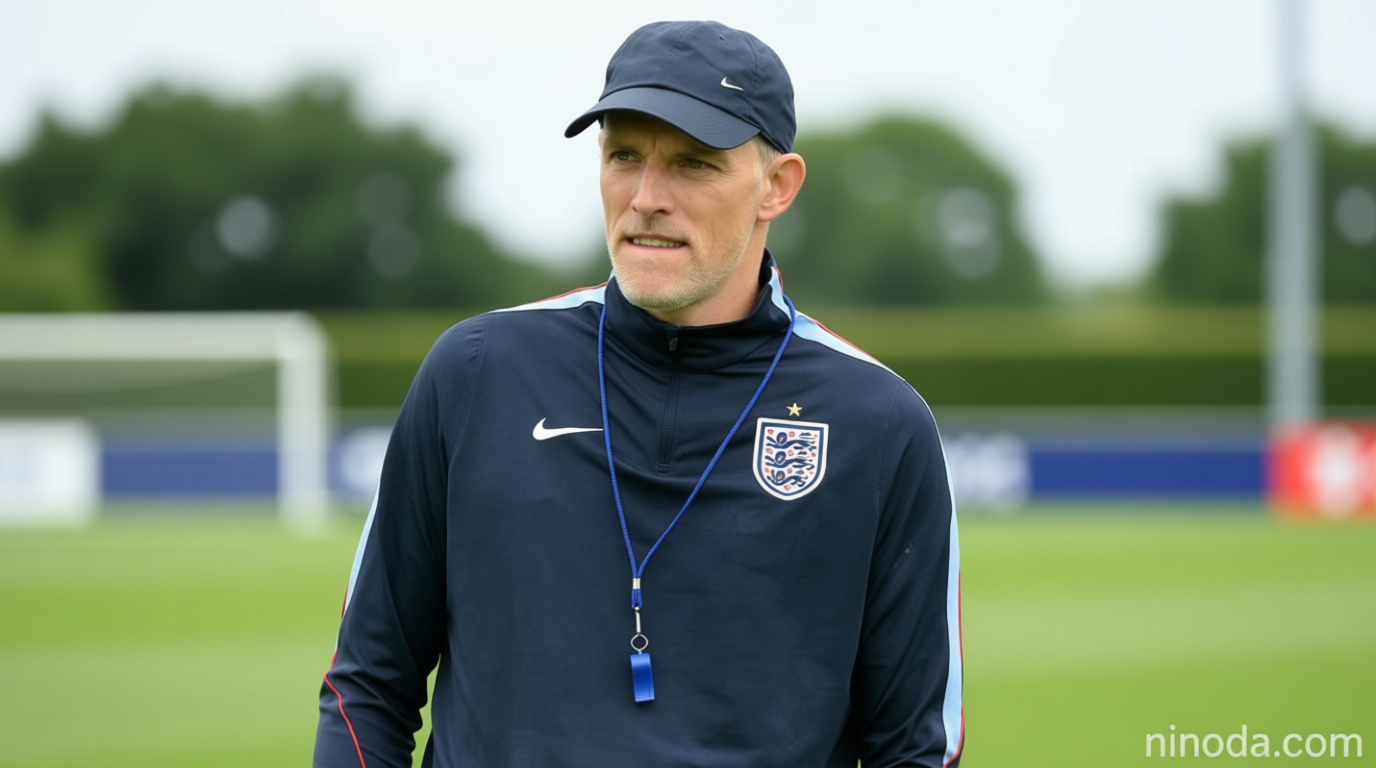
England Manager Tuchel Expresses Discontent Over Hydration Breaks
Ninoda.com – Thomas Tuchel, the head coach of the England national team, has publicly expressed his reservations about the implementation of hydration breaks during the World Cup. These mid-game pauses, introduced to ensure player safety and performance in challenging weather conditions, have sparked debate among fans and analysts. Tuchel, known for his meticulous approach to match management, criticized the interruptions during England’s Group L match against Ghana, which was set to take place in Boston on 23 June at 21:00 BST. The decision to incorporate hydration breaks, despite the game being played under a roof in an air-conditioned environment, has raised questions about the necessity of such pauses in modern football.
Tuchel’s Tactical Perspective on Hydration Breaks
During a post-match press conference, Tuchel emphasized his belief that hydration breaks disrupt the natural rhythm of the game. He argued that these breaks, which are now standard in every match, fragment the flow of play and reduce the intensity of football. “The essence of a match lies in its continuous action,” Tuchel stated, noting that players and coaches have adapted to the changes, but the impact on the game’s identity remains significant. His concerns align with those of other managers who feel the pauses may compromise the purity of the sport, particularly when not dictated by extreme heat or safety concerns.
“I think these breaks modify the character of football more than expected. In the past, we only used them in extreme conditions, but now they are applied universally, which feels unnecessary.”
FIFA’s Rationale and Global Impact of Hydration Breaks
FIFA’s decision to mandate hydration breaks stems from its aim to address the physical demands of football in high-stakes tournaments. The rule was introduced after a match between France and Iraq, where prolonged stoppages due to adverse weather led to player fatigue. While Tuchel acknowledges the tactical benefits of these breaks, such as allowing teams to regroup, he contends that they should not be used as a default strategy. “They can be useful, but not at the expense of the game’s flow,” he said. The move has been widely adopted across the tournament, with teams from all corners of the globe now integrating them into their match strategies.
“For me, football without interruptions is more engaging. It’s about maintaining the battle on the field, not breaking it for logistical reasons.”
Player Adaptation and Fan Sentiment
Despite Tuchel’s criticism, the players have shown adaptability to the new format. Many have embraced the breaks as a way to recover and reset during intense matches, particularly in the sweltering heat of the World Cup. However, fan reactions have been divided, with some expressing frustration over the pauses that disrupt the narrative of a game. Supporters of the rule argue that it enhances player welfare, while critics believe it undermines the spontaneity and elegance of football. Tuchel’s remarks have reignited the discussion about the balance between practicality and the traditional spirit of the sport.
Hydration Breaks as a Controversial Rule Change
The introduction of hydration breaks has become a focal point of debate in the football world. Tuchel’s stance highlights a growing concern among managers that these pauses may be overused, especially in matches not dictated by extreme conditions. The rule has also drawn attention for its commercial implications, with some suggesting it allows for additional revenue through extended stoppages. As the World Cup progresses, the effectiveness of hydration breaks will be closely monitored, with the hope that their implementation will be justified by tangible benefits rather than convenience.
“It’s important to evaluate whether these breaks are truly necessary or if they are just a way to extend match time for the benefit of the tournament’s schedule.”
Looking Ahead: The Future of Hydration Breaks in Football
With the World Cup reaching its midpoint, the role of hydration breaks in shaping the tournament’s outcome remains uncertain. Tuchel’s comments serve as a reminder of the need to refine such rules to align with the game’s evolving dynamics. While the breaks are designed to support player health, their impact on the match’s flow and fan engagement continues to be a point of contention. As teams adjust to this new norm, the debate over hydration breaks is likely to persist, influencing future rule changes and coaching strategies in international football.
The discussion around hydration breaks underscores the delicate balance between innovation and tradition in the sport. Tuchel’s perspective, as the England boss, adds credibility to the argument that these pauses may not always be the best solution. Whether the rule will endure as a permanent fixture or be revised in the future depends on how effectively it enhances the game without compromising its essence. As the tournament unfolds, the world will be watching closely to see if the breaks are a tactical necessity or a disruption to the beautiful game.