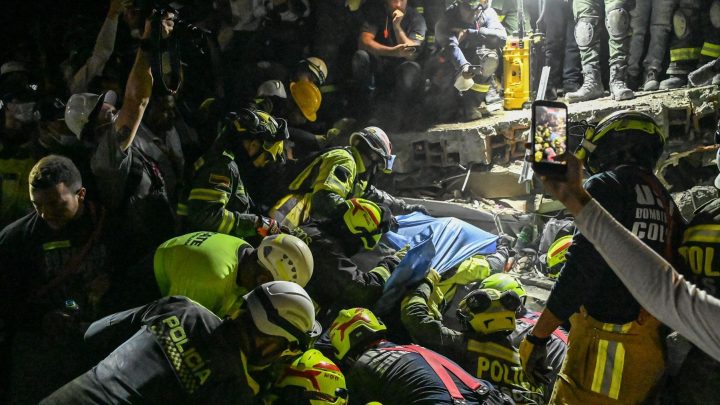
Israeli troops kill two in south Lebanon after lull in fighting, authorities say

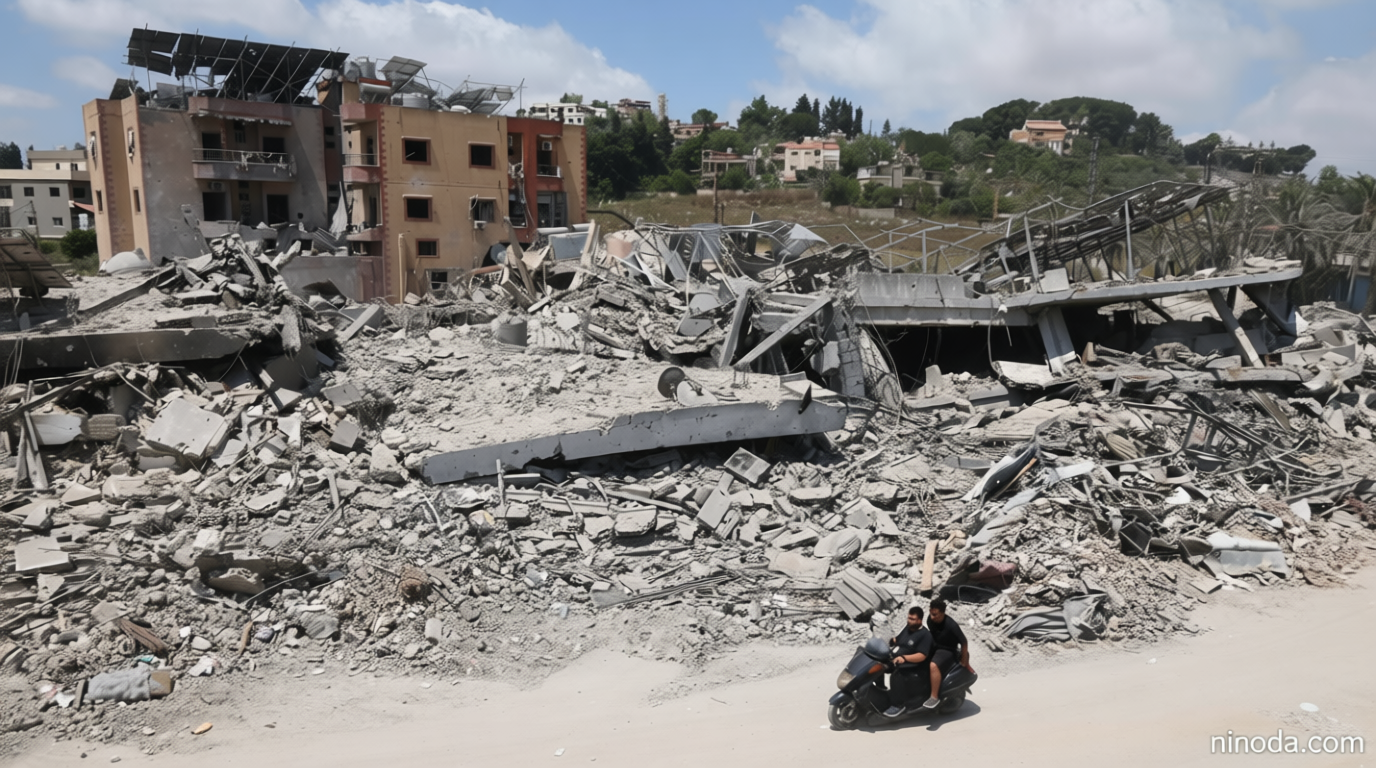
Israeli Troops Kill Two in South Lebanon Amid Ceasefire Tensions
Ninoda.com – Israeli forces reportedly killed two individuals in southern Lebanon following a brief respite in hostilities, as confirmed by Lebanese health officials. The incident marks the first fatality since a recent ceasefire between Israel and Hezbollah, an Iran-backed militant group, was declared over the weekend. This renewed violence has raised concerns about the stability of the truce, with regional actors closely monitoring the situation for potential escalation.
Details of the Attack
According to the Lebanese National News Agency, the victims were near a bulldozer clearing debris in Nabatieh al-Fawqa. The men, identified as Mohammed Amhaz and Sajed al-Hajj Ali, were affiliated with the Islamic Health Association, an emergency service linked to Hezbollah. Israeli military sources stated that the attack targeted “four Hezbollah fighters” operating a bulldozer and motorcycle in the Ali al-Taher ridge area, east of the town, after they entered an Israeli-designated security zone. The operation was described as a precision strike aimed at neutralizing a potential threat.
“What the enemy has committed constitutes a blatant violation of the ceasefire, which the Resistance has adhered to up to this point.”
Hezbollah’s Response and Strategic Context
Hezbollah’s military wing, the Islamic Resistance, condemned the attack as a “clear breach of the ceasefire,” emphasizing that the group had been following the agreement diligently. While it did not confirm immediate retaliation, the group’s leadership is expected to assess the situation and respond accordingly. Israeli troops, meanwhile, reported striking a “terrorist cell” north of the security zone, releasing a photo of one man holding a rifle. This sequence of events underscores the fragile balance between the two factions and the ongoing military maneuvering in the region.
“Lebanon is an unquestionable part of the agreement, and whatever happens in Lebanon affects the whole process, and it is the United States which should use all its leverage against Israel to make it stop attacks against Lebanon.”
Context of the Ceasefire and Broader Implications
The ceasefire, which came into effect after weeks of intense clashes, has provided a rare period of calm in the region. However, the recent killings in south Lebanon have reignited fears of instability, with both sides re-evaluating their positions. Israeli Prime Minister Benjamin Netanyahu reiterated that the military would continue its operations “as long as necessary” to address Hezbollah threats. This statement reflects the ongoing Israeli strategy to assert control in areas bordering the country, particularly in the south where Hezbollah has maintained a significant presence.
The conflict in south Lebanon has been a focal point of the broader Israel-Hezbollah war, with the area serving as a strategic battleground. Israeli forces previously attempted to seize the Ali al-Taher ridge, a location believed to be a Hezbollah stronghold, which highlights the tactical importance of the region. The repeated strikes and counterstrikes in this zone have not only disrupted daily life but also heightened the risk of civilian casualties, drawing international attention to the humanitarian impact.
Historical Tensions and Diplomatic Efforts
Hezbollah’s recent actions in south Lebanon are part of a long-standing conflict that has seen periodic clashes between the group and Israeli forces. Earlier in the war, Hezbollah struck a tank in Kfar Tebnit, killing four Israeli soldiers, which prompted a significant Israeli response. Over 150 airstrikes followed, resulting in 83 casualties reported by the Lebanese health ministry. The US, which had mediated the ceasefire, remains a key player in efforts to stabilize the region, though its influence is being tested by the latest developments.
The current ceasefire was brokered through diplomatic efforts, with Iran insisting that Lebanon must be included in any peace agreement to prevent setbacks in broader regional negotiations. The involvement of Iran underscores the geopolitical dimensions of the conflict, as the militant group continues to support Hezbollah’s operations. The recent killings in south Lebanon may complicate these talks, as both sides seek to demonstrate their resolve and willingness to continue the conflict if necessary.
Lebanese health officials reported that the latest incident has caused renewed anxiety among residents in the south, where many have already been displaced due to previous attacks. Despite the ceasefire, the area remains a hotspot for military activity, with Israeli forces maintaining a heavy presence. The ongoing strikes and the strategic positioning of Hezbollah in the region suggest that the conflict is far from over, and that the ceasefire may be more of a temporary pause than a lasting solution.