Air conditioning creates political divide after France records hottest day

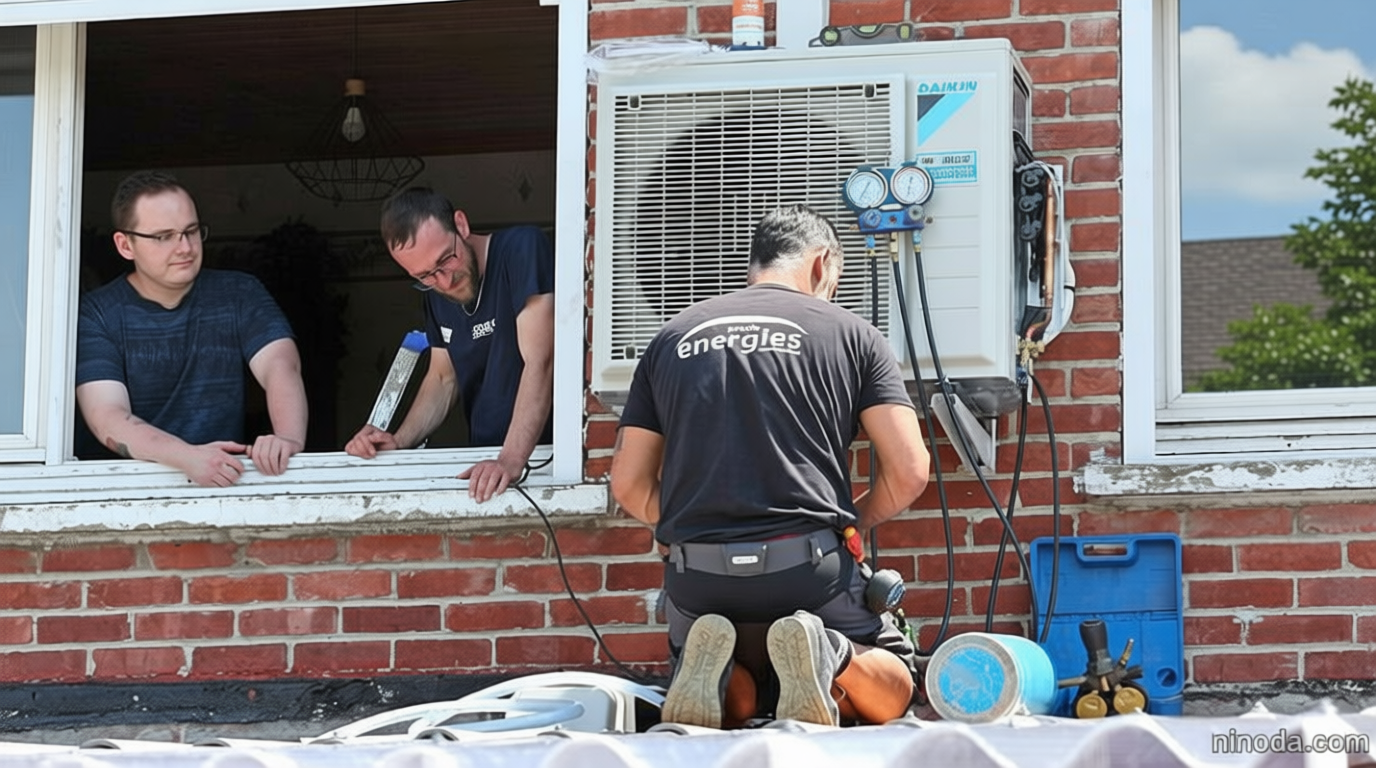
Air Conditioning Creates Political Divide Amid France’s Record-Breaking Heatwave
Ninoda.com – As France experienced its hottest day ever recorded, the debate over air conditioning has intensified, highlighting a growing political rift between environmental advocates and those prioritizing immediate comfort. The extreme temperatures have forced a reevaluation of long-standing views on climate-controlled technologies, with some critics arguing that reliance on cooling systems is a necessary adaptation, while others remain steadfast in their opposition. This tension has become a focal point in discussions about energy policy, urban planning, and climate responsibility, as the nation struggles to balance practical needs with ecological goals.
Historical Resistance to Cooling Systems
France has traditionally been slow to adopt air conditioning, with less than 25% of households equipped with the technology. This cautious approach was rooted in concerns about energy efficiency and environmental impact, as the country aimed to reduce its carbon footprint and promote alternative cooling methods like natural ventilation and thermal insulation. However, the recent heatwave has challenged this mindset, prompting calls for a more flexible energy strategy. While some regions, such as the south, have embraced air conditioning more readily, the northern parts of the country remain hesitant, creating a regional and ideological divide.
“The heat was unbearable, and we couldn’t keep our children in classrooms or hospitals without some form of cooling,” said one parent, emphasizing the urgency of the situation. This sentiment has resonated across sectors, leading to a reassessment of how critical air conditioning is for public infrastructure and daily life.
The discrepancy in adoption rates between urban and rural areas further underscores the debate. Cities like Paris, where temperatures soared above 40°C, have seen a surge in demand for cooling, while rural communities often rely on passive methods. This uneven reliance has sparked discussions about equity in access to climate control and the broader implications for energy distribution.
Climate Change and the Cooling Debate
As the climate crisis accelerates, the role of air conditioning in mitigating extreme heat has become a contentious issue. While the technology provides relief, its environmental cost—especially in terms of energy consumption and refrigerant emissions—has drawn criticism. France’s energy grid, which relies heavily on nuclear power, reduces the immediate carbon impact, but the demand for cooling during heatwaves has strained the system, raising questions about long-term sustainability. The political divide now hinges on whether air conditioning should be viewed as a temporary solution or a permanent fixture in the country’s climate strategy.
Environmentalists argue that the widespread use of air conditioning could undermine efforts to reduce fossil fuel dependence. For instance, the energy required to power cooling systems often comes from gas and coal in regions with limited nuclear infrastructure, contributing to greenhouse gas emissions. In contrast, some policymakers see air conditioning as a vital tool to protect vulnerable populations, including the elderly and those with chronic illnesses, from the dangers of prolonged heat exposure. This dichotomy has deepened as climate change threatens to make extreme weather more frequent and severe.
Policy Responses and Energy Strategies
French officials have introduced a range of measures to address the crisis, from promoting insulation and green spaces to investing in renewable energy sources. Yet, these efforts have not quelled the political debate. The National Rally party has advocated for a more aggressive expansion of air conditioning, proposing €20bn in interest-free loans to equip schools and hospitals with cooling systems. This initiative, however, faces opposition from left-leaning parties, which argue that such investments could divert funds from broader climate initiatives like renewable energy development.
“Cooling systems are essential for public health, but we must ensure they are powered sustainably,” stated a representative from the Green Party. The challenge lies in aligning these needs with the country’s climate objectives, as the debate over air conditioning becomes increasingly tied to national energy policy and environmental priorities.
Meanwhile, the political right has positioned air conditioning as a symbol of modernity and resilience, contrasting it with the left’s emphasis on austerity and ecological balance. This ideological split is evident in the differing approaches to energy subsidies, infrastructure development, and the role of technology in climate adaptation.
The surge in air conditioning use has also sparked a renewed conversation about energy efficiency. With demand for cooling systems outpacing supply, experts warn of the potential for increased energy costs and grid strain. This has led to calls for smarter design and better integration of cooling systems with renewable energy sources, aiming to reduce their environmental impact. As France navigates this crisis, the political divide over air conditioning is likely to shape future energy policies and climate strategies for years to come.