Home Office plan to use more military bases to house asylum seekers

Home Office Plan to Use More Military Bases for Asylum Seekers
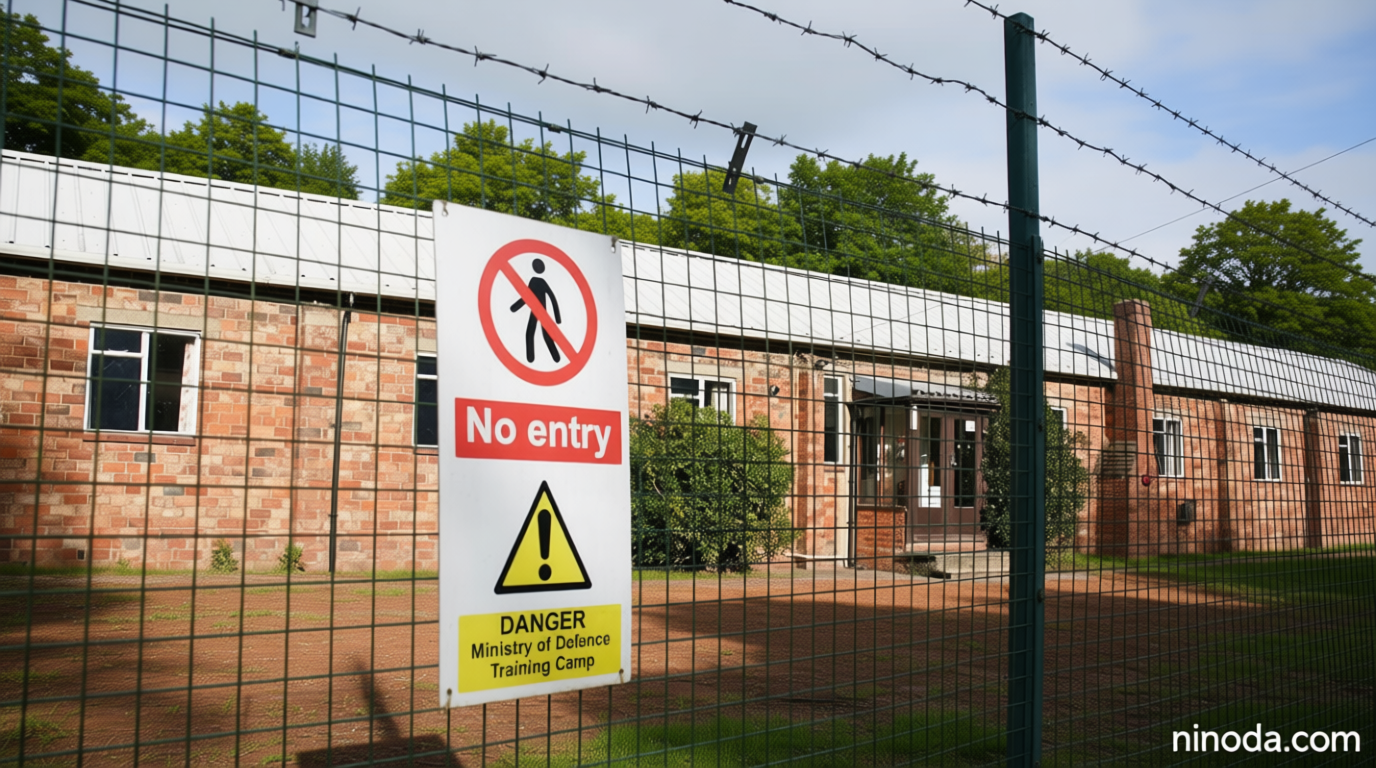
Ninoda.com – The UK Home Office has announced a plan to use more military bases as temporary housing for asylum seekers, marking a significant shift in the government’s approach to managing the refugee crisis. This strategy aims to reduce the financial burden on hotels, which have been a key component of the asylum accommodation system. The initiative includes the repurposing of three Ministry of Defence locations in Oxfordshire, Suffolk, and North Yorkshire, potentially accommodating up to 3,750 individuals once fully operational. Existing military facilities such as Crowborough Training Camp in East Sussex and RAF Wethersfield in Essex are also set to play a larger role, with Crowborough’s current use extended until 2030 and Wethersfield’s beyond 2027. The move reflects a broader effort to streamline asylum processes and centralize housing efforts under state control.
Why Military Bases? A Strategic Choice
Officials argue that military bases offer logistical advantages, including secure infrastructure, established administrative systems, and proximity to border areas. This aligns with the Home Office’s goal of creating a more efficient and controlled environment for processing asylum applications. By leveraging existing facilities, the government can bypass the delays and costs associated with constructing new housing units, which have been a point of contention in recent years. The decision also seeks to address public concerns about the visual and social impact of asylum hotels, which have often been situated in densely populated areas and drawn criticism for their role in fueling anti-migrant sentiment.
Labour’s commitment to phasing out asylum hotels has been a central element of its policy agenda, with the party vowing to end the reliance on these temporary accommodations. As of March 2024, 20,885 asylum seekers—approximately 21% of the total—remain in hotels, while 72,768 (75%) are housed in other settings. The number of individuals in hotels has dropped from a peak of 56,000 in September 2023, following the closure of 20 additional hotels. This reduction highlights the government’s efforts to consolidate asylum housing into more centralized locations, though the transition has not been without challenges.
Concerns and Criticisms from Opponents
Despite the Home Office’s assurances, the plan has faced pushback from both political opponents and advocacy groups. Conservative critics argue that the focus on military bases may divert attention from long-term solutions, such as increasing the number of permanent asylum accommodations. Shadow home secretary Chris Philp has voiced concerns, suggesting that the government should prioritize deportations as a deterrent rather than expanding military camps. Meanwhile, the Red Cross has highlighted potential drawbacks, warning that remote military sites could retraumatize vulnerable individuals. Sam Turner, the organization’s migration and displacement director, emphasized that alternatives must not compromise the dignity or safety of asylum seekers.
Protesters have also raised issues, with recent demonstrations leading to the cancellation of plans to house 300 male asylum seekers at Cameron Barracks in Inverness. Locals and activists argue that the proximity of military bases to communities can create tensions, particularly in areas with existing concerns about immigration. These incidents underscore the need for careful planning and community engagement to ensure the new housing model is accepted and effective. The Home Office has defended its approach, citing the need for flexibility and security in the face of ongoing border pressures.
As the Home Office continues to refine its asylum accommodation strategy, the broader immigration reforms set to be debated in Parliament next week will shape the long-term implications. The Immigration and Asylum Bill, which includes provisions for faster removals of rejected asylum seekers, is expected to receive scrutiny from lawmakers. While Home Secretary Shabana Mahmood has backed the legislation, some Labour members are anticipated to resist its implementation. The bill’s success will depend on its ability to balance efficiency with humane treatment, ensuring that the use of military bases complements, rather than replaces, other forms of support for asylum seekers.
The expansion of military base use comes amid a growing reliance on temporary housing solutions. Since 2020, the surge in asylum seekers has led to a substantial increase in hotel usage, with £3bn spent on such accommodations between 2023 and 2024. This figure, equivalent to £8.3m per day, has sparked debates about the cost-effectiveness of the current system. By shifting to military sites, the government hopes to reduce expenses while maintaining operational control. However, the long-term sustainability of this model remains uncertain, as the number of asylum seekers continues to rise and the need for diverse housing options becomes more pressing.