I’m in therapy for my 14-hour-a-day phone addiction and I’m determined to beat it

In Therapy for My 14-Hour Smartphone Addiction
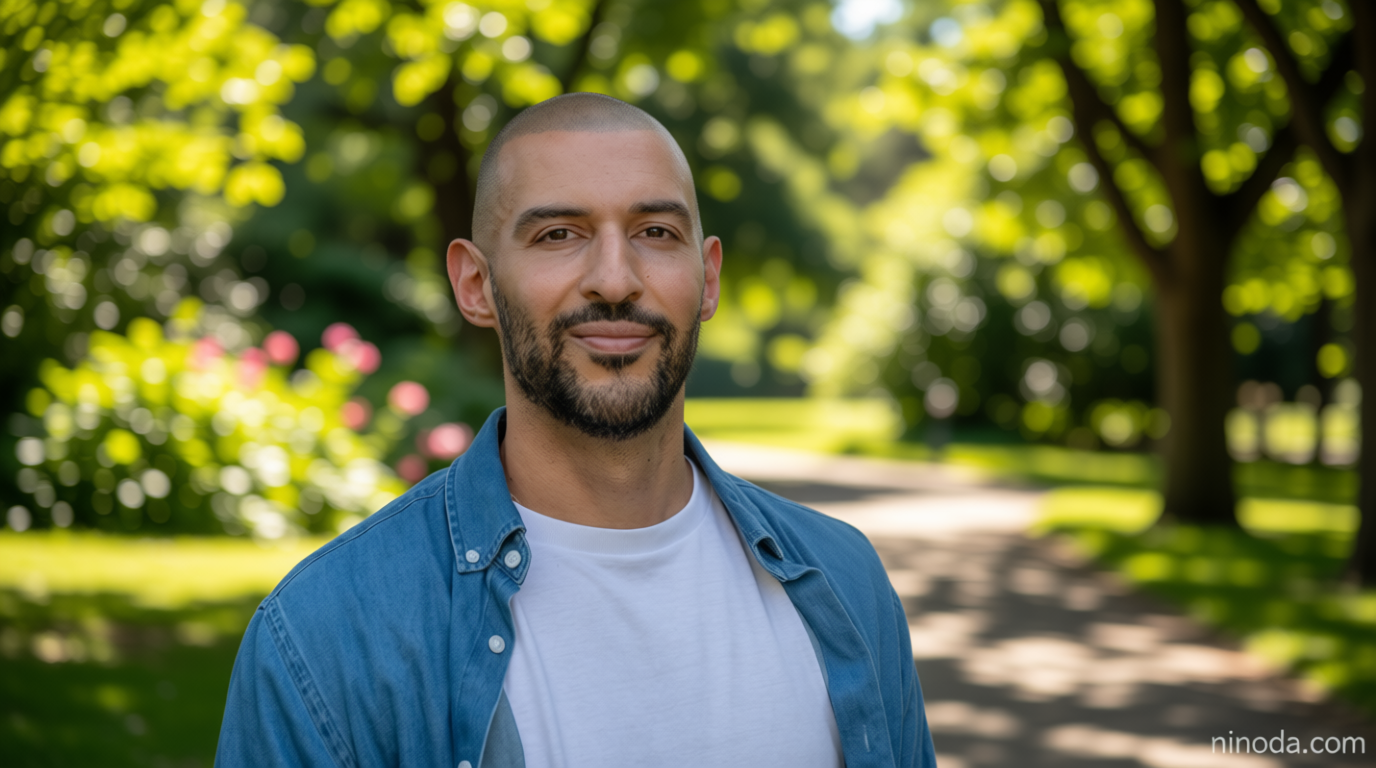
Ninoda.com – While many people struggle with casual phone use, I’m undergoing therapy for my smartphone dependency, which has consumed 14 hours of my daily routine. The constant notifications, infinite scrolling, and addictive algorithms have turned my phone into a portable drug, one I’m now determined to break free from. During sessions, I’m learning to recognize the urge to check my device, but the compulsion remains strong—especially when a WhatsApp message appears. “The need to respond feels like a magnetic pull,” I tell my therapist, yet I’m committed to resisting it until the session ends.
My journey into therapy for smartphone addiction began with a realization: my phone wasn’t just a tool—it was a source of emotional comfort. “It’s like having a 24/7 companion that never gets tired,” I reflect. The data paints a clear picture of this struggle: on particularly difficult days, I’ve spent over 14 hours staring at my screen, with Instagram being the most addictive app. This habit has disrupted my work, relationships, and even my sense of self. I’m in therapy for my smartphone addiction not only to reclaim time but to understand the deeper psychological roots of my dependence.
Screen Time Surpasses Three Hours Daily
Recent studies show that the average person spends over three hours daily on their phone, but for me, the number is far higher. I’ve tracked 116 checks on my own usage, with social media and messaging apps dominating my attention. This isn’t just about time wasted—it’s about the mental toll of constant connectivity. “The device becomes a crutch, especially when we’re feeling isolated or uncertain,” explains Dr. Emily Carter, a clinical psychologist. My case aligns with a Deloitte survey of 1,000 adults, where 70% admitted they spend too much time on their devices, often at the expense of real-world interactions.
Experts at UKAT, a leading center for addiction treatment, highlight that one in three clients now seek help for smartphone dependence—a significant rise from just one in 10 in 2019. Some individuals even abandon their primary addiction recovery because they can’t disconnect from their phones. “Smartphones offer immediate gratification, making them harder to resist than traditional addictions,” notes a UKAT spokesperson. The emotional stakes are high, as the device often feels like a lifeline to stability, connection, or escape.
Therapy for Digital Compulsions
Rainford Hall, a historic Jacobean estate, has become a hub for treating digital dependencies. Its therapists work with clients across various addictions, from drugs to gambling, but phone dependency is growing rapidly. “Phones are everywhere, and their design exploits our brain’s reward system,” says Kelly Watson, lead therapist. This universal accessibility means the risk of addiction is now more widespread than ever, challenging traditional views on compulsive behavior.
Watson explains that smartphones trigger dopamine release through messages, likes, or new information, creating a cycle that can be hard to break. For some, this habit has become so entrenched that it overshadows other aspects of life. James, a 48-year-old recovering from alcohol addiction, found his smartphone dependency more damaging. After losing his job, his days were consumed by endless scrolling, news checks, and global events. “I felt like the digital world had taken control of me,” he recalls. “It was like a piece of my soul had been sucked out, but I couldn’t stop.”
“It felt like a piece of my soul had been sucked out, but I couldn’t stop.” – James
As I continue my therapy for my smartphone addiction, I’m learning to differentiate between necessity and compulsion. The challenge lies in balancing the benefits of connectivity with the need for digital detox. “Clients often arrive feeling anxious, saying they need their phones for work or social connection,” Watson says. Yet, as more people recognize the impact of their usage, the demand for specialized treatment is increasing. With over 3,500 individuals supported annually, the shift in how we view modern habits is becoming evident. This growing awareness signals a broader movement toward healthier technology habits, one that could redefine our relationship with the digital world.