
These women said no to having kids – here’s why

These women said no to having kids – here’s why
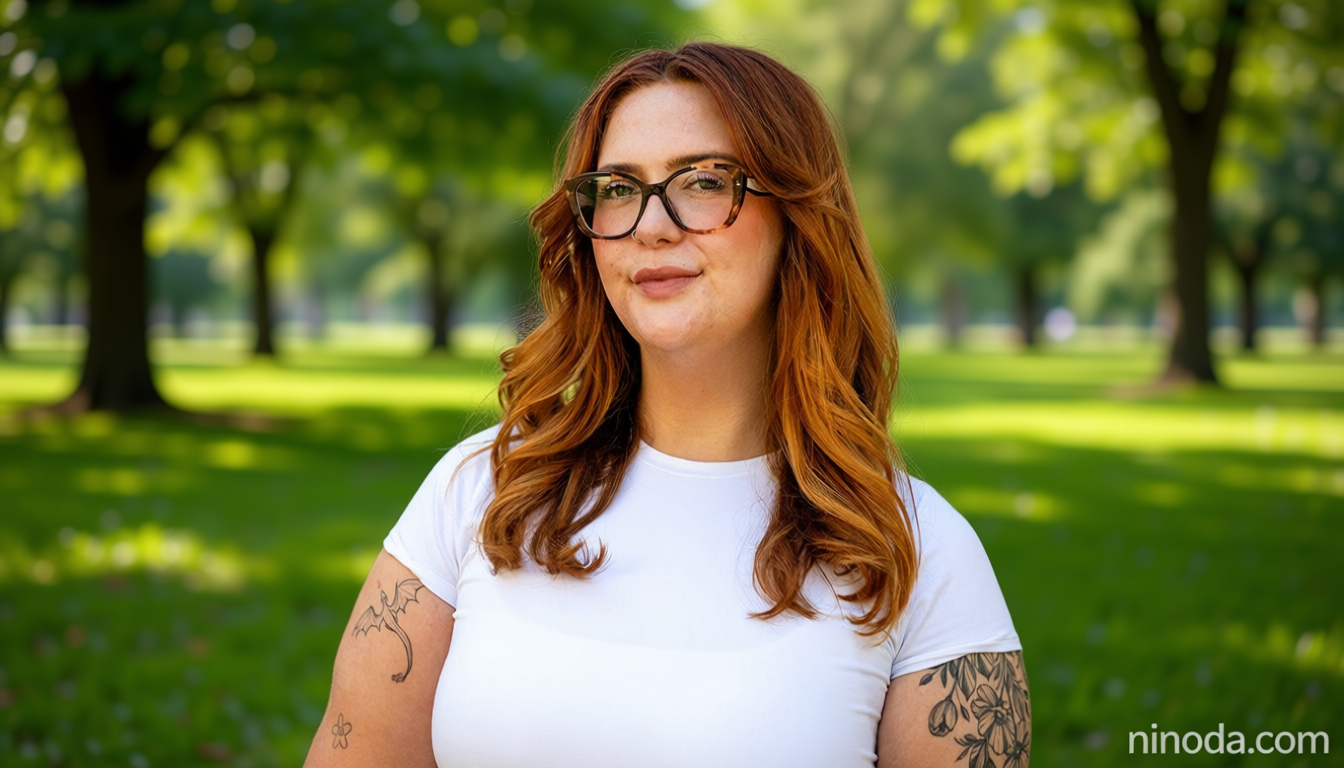
Ninoda.com – For Jess King, 32, a childfree lifestyle has become a deliberate choice. She once believed that having children was an inevitable step for women, but as she matured, her confidence in this path began to waver. “It became a question of whether I was unsure about my readiness or simply lacked the desire,” she reflects. Many of her peers who had children described feeling certain about their decision, accompanied by a strong maternal instinct. Jess, however, didn’t experience that pull, which led her to question her own path.
According to the Centre for Social Justice (CSJ), a growing number of women in the UK are opting out of motherhood. The organization estimates that around three million women aged 16 to 45 may remain childfree. If current birth rates continued at the level seen by Jess’s grandparents, an additional 600,000 women would have children. This trend is evident in the latest data from the Office for National Statistics (ONS), which reveals births in England and Wales dropped for the fourth consecutive year in 2025, reaching their lowest level in nearly 50 years.
Financial and Lifestyle Considerations
Financial factors weigh heavily on Jess, who resides in west London with her partner, Ollie. As a self-employed content creator, her income fluctuates, making the prospect of parenthood daunting. “There are so many people struggling to get by. Some months, we’re really scraping the pennies,” she notes. Other women cited similar concerns, pointing to the high cost of childcare and the challenge of finding larger homes as barriers to having children.
“I come from an African background,” says Chy Black, 33, an account manager from the Midlands. “Many of my relatives are from a culture where women are supposed to have kids. Being someone with resistance to that idea was met with a lot of shock and disbelief.”
Chy found solace in online communities where women share their experiences of building fulfilling lives without children. The hashtag #childfree trends with over 127,900 videos on TikTok, while #childfreebychoice has more than 68,100 entries. These platforms offer a space for thousands of women to explore their reasons for choosing childfree living. Jess, though not swayed by social media, found it comforting to see others validate her decision.
The CSJ report highlights broader societal pressures as key drivers of this shift. Rising housing costs, delayed financial independence, later marriage, and career uncertainties all contribute. Chy emphasizes that a child would “need the love I don’t think I could provide in abundance,” while also wanting to prioritize her career and travel. The survey cited in the report reveals that 38% of women who opt out of motherhood cite career advancement as their main motivation. Additionally, nearly half mention the high cost of childcare, and 41% express a desire for bigger homes if they were to have children.
Chy believes that current support systems for mothers are insufficient. She notes that systems like parental leave and childcare funding could have influenced her decision earlier. “If those systems were to change, maybe my choice would have been different,” she says. The CSJ argues that the UK needs to recognize the value of motherhood more deeply, both in social norms and public policy, to address these evolving priorities.