Israel strikes southern Lebanon as Hezbollah condemns new deal

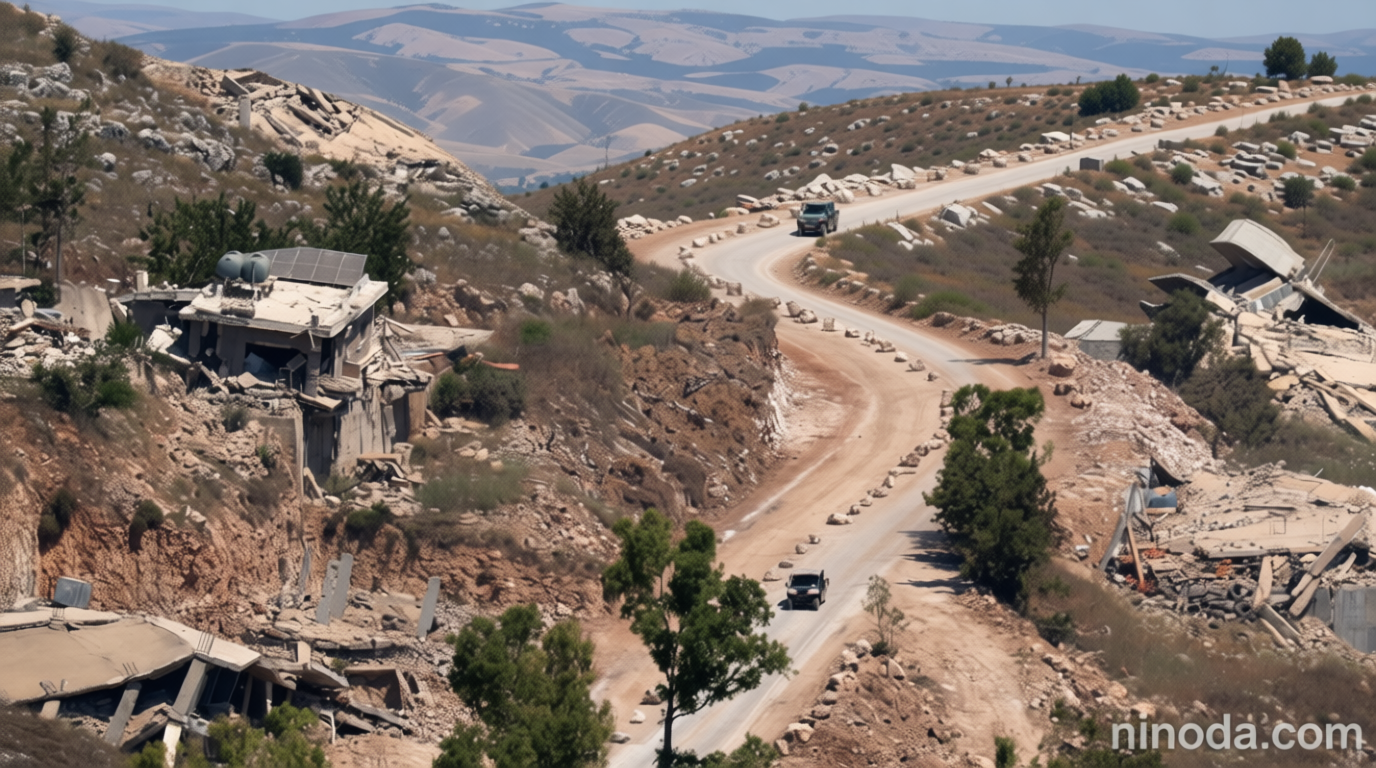
Israel Strikes Southern Lebanon as Hezbollah Condemns New Peace Deal
Ninoda.com – Israel has intensified its military actions in southern Lebanon, marking a new phase in the ongoing conflict as Hezbollah, the armed group backed by Iran, strongly criticized the recent peace deal. The aerial strikes, which targeted the town of Nabatieh al-Fawqa and surrounding areas, resulted in one civilian fatality and two injuries, according to Lebanon’s health ministry. This escalation follows the signing of a four-point framework agreement in Washington, aimed at establishing a lasting peace between Israel and Lebanon. However, Hezbollah’s swift condemnation of the deal has underscored deepening divisions over the terms of the agreement.
Terms of the Framework Agreement and Israeli Objectives
The newly signed framework agreement outlines key provisions for peace, including Israel’s withdrawal of troops from the South Litani region, granting the Lebanese Armed Forces exclusive control over the area. Yet, the agreement also allows Israel to maintain a security zone spanning up to 10 kilometers into Lebanese territory. Israeli Defence Minister Israel Katz emphasized that the deal sets the stage for a long-term presence, with military forces preparing to consolidate their positions. This arrangement has raised concerns among Lebanese officials and Hezbollah leaders about the implications for national sovereignty and territorial integrity.
Hezbollah’s Strong Opposition to the Accord
Hezbollah’s leader, Naim Qassem, has been vocal in his opposition to the framework agreement, calling it a “humiliating” and “shameful” surrender of Lebanese sovereignty. In a statement, he declared that the deal is “null and void” and warned of its potential to lead to the annexation of Lebanese lands. The group’s position is rooted in its belief that the agreement’s terms, which link Israel’s withdrawal to its disarmament, compromise Lebanon’s independence. Qassem further accused the Lebanese government of betraying the nation’s interests by endorsing the deal without direct negotiation.
Conflict Background and Casualties
The conflict between Israel and Hezbollah has been a long-standing issue, with tensions escalating in recent months due to a series of attacks. The current phase of hostilities began on 2 March when Hezbollah launched missile strikes into Israel in retaliation for an Israeli air attack that killed Iran’s supreme leader. This triggered a sustained Israeli response, including air raids and ground operations in southern Lebanon. As of now, Lebanon’s health ministry has reported over 4,192 deaths and 11,600 injuries since the conflict’s outbreak, with more than 1.2 million people displaced. Israel has confirmed 36 soldiers and four civilians have been killed in the fighting.
Failed Ceasefire and U.S. Mediation
A US-mediated ceasefire agreement in April failed to halt the fighting, highlighting the challenges in achieving stability. However, in June, both nations agreed to extend their fragile truce, with the U.S. vowing to support the creation of security zones. Despite these efforts, Hezbollah has remained defiant, viewing the agreement as a compromise that weakens Lebanon’s position. The group has continued its attacks, maintaining that the peace deal does not address the root causes of the conflict. This stance has kept the region on edge, with renewed Israeli strikes in southern Lebanon as Hezbollah persists in its resistance.
Regional and International Reactions
The agreement has drawn mixed reactions from regional and international actors. Israeli Prime Minister Benjamin Netanyahu hailed the Washington deal as “historic,” framing it as a strategic victory against Iran and Hezbollah. Meanwhile, Hezbollah accused the Lebanese government of prioritizing Israeli interests over its own. The conflict has also drawn attention from neighboring countries, with Syria and Egypt expressing concerns about the potential for further regional instability. Analysts note that while the agreement may provide temporary stability, it risks entrenching long-term hostilities unless it addresses key grievances, such as Hezbollah’s military presence and Lebanon’s sovereignty.
Future Implications and Ongoing Challenges
As the conflict continues, the framework agreement faces scrutiny over its effectiveness in resolving the core issues. Hezbollah’s rejection of the deal has prompted calls for renewed negotiations, with the group threatening to escalate its attacks if the terms are not revised. The Israeli strikes in southern Lebanon as Hezbollah have also intensified pressure on Lebanon’s fragile infrastructure, with schools, hospitals, and residential areas suffering significant damage. With the peace deal still in its early stages, the path to lasting resolution remains uncertain, and the region braces for further military and political developments. The situation underscores the complexity of the conflict, which has become a battleground for broader geopolitical ambitions.