Two boys rescued from Venezuela earthquake rubble after days of being trapped

Two Boys Rescued from Venezuela Earthquake
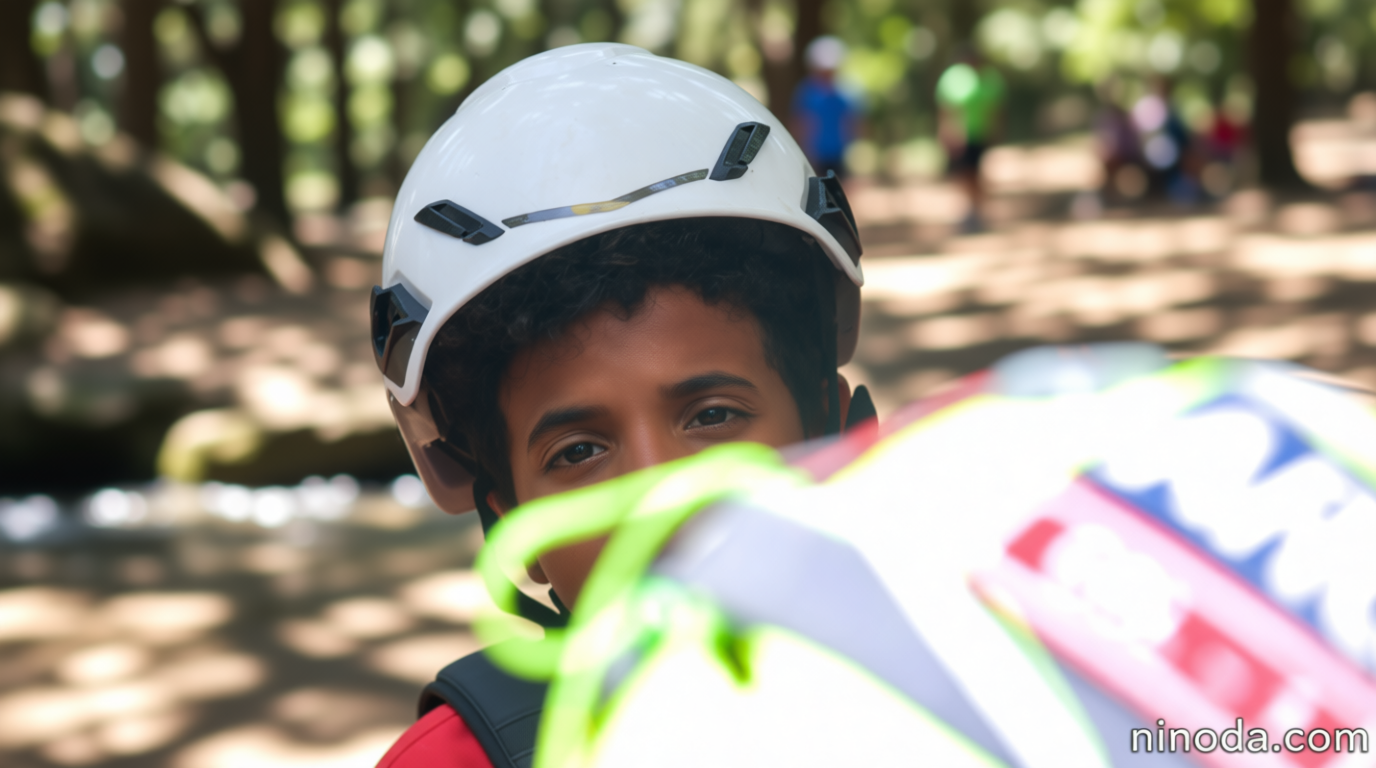
Ninoda.com – Two boys rescued from Venezuela earthquake rubble after days of being trapped — a harrowing rescue that captured global attention. The first survivor, Moises, was freed from the wreckage of a collapsed building in Caraballeda, a town in western Venezuela, following a powerful earthquake that struck on 17 April. His emergence brought tears to rescuers and families who had braved relentless aftershocks and debris to save him. Hours later, the second boy was also pulled to safety, marking a significant milestone in the ongoing relief operations. These rescues underscored the resilience of Venezuelans in the face of disaster, as communities rallied to find hope in the rubble.
Earthquake Impact and Rescue Challenges
The earthquakes, measuring 7.2 and 7.5 on the Richter scale, struck within 39 seconds, toppling hundreds of buildings and leaving thousands stranded. The tremors, which occurred in the early hours of the morning, caused widespread panic as residents were forced to flee their homes. For over three days, rescue teams worked tirelessly, navigating through layers of concrete and rubble to locate survivors. The difficulty was compounded by the lack of heavy machinery in the affected areas, forcing volunteers to rely on hand tools and sheer determination.
“Every time the ground shook, it felt like the world was ending. But we kept digging because we believed someone was still alive,” said Jesús Andueza, a 64-year-old bus driver who assisted in the search for Moises. His words reflected the collective fear and hope that defined the rescue efforts. Despite the challenges, rescuers managed to extract Moises after approximately six hours of excavation, revealing his condition to be critical but stable. The second boy, whose identity has not been disclosed, was found in a nearby structure, further highlighting the devastation caused by the quakes.
The seismic events left a trail of destruction, with entire neighborhoods reduced to piles of concrete and dust. Over 100 people were reported missing, and hundreds of families were displaced. The rescue of the two boys, who had been buried for nearly five days, became a symbol of perseverance. Officials noted that the search and rescue teams used advanced equipment, including ground-penetrating radar, to locate the survivors. Their success came after days of relentless effort, as the community’s unyielding spirit kept the hope alive.
Emergency Response in Caraballeda
In the aftermath of the earthquakes, Caraballeda transformed into a makeshift hub for relief and recovery. The town’s golf course, once a tranquil retreat, was repurposed to serve as a temporary medical center and distribution point for aid. Survivors gathered there, sorting through donations of food, water, and medical supplies. Helicopters hovered overhead, delivering essential resources to the hardest-hit areas. The sight of families huddled under tents and tarpaulins, while the air was filled with the sounds of machinery and the cries of children, painted a vivid picture of the chaos and unity in the face of tragedy.
“We’ve been living in the open since the first tremor. It’s been tough, but we’re all in this together,” said Milagros González, a resident who sought shelter at the golf course. Her two young daughters played on a grassy mattress, their laughter a stark contrast to the somber atmosphere. González, who had narrowly escaped the collapse of her home, described the physical and emotional toll of the ordeal. “The ground shook so hard, I couldn’t feel my legs for a while,” she recalled, her voice trembling. Her account highlighted the personal stories behind the statistics, as each survivor’s journey was a testament to survival and sacrifice.
As the search for additional survivors continued, the interim President, Delcy Rodríquez, praised the resilience of Venezuelans during the crisis. She emphasized the role of local volunteers, who played a critical part in the rescue efforts. “In these hours, every life is hope for Venezuela,” she said, addressing the nation during a televised update. The government also coordinated with international agencies, including the Red Cross and UN agencies, to provide support. The rescue of the two boys, however, remains a focal point in the ongoing narrative of recovery and determination.
Lessons from the Disaster and Future Steps
The events in Caraballeda have prompted a reevaluation of Venezuela’s emergency preparedness. While the focus remains on rescuing the trapped and providing immediate aid, officials are now considering long-term solutions to mitigate the impact of future earthquakes. The infrastructure damage, particularly in La Guaira and Caraballeda, has exposed vulnerabilities in the country’s building codes and disaster response systems. “We’ve learned a lot from this tragedy,” said a spokesperson for the National Emergency Commission. “Now we must act to prevent similar disasters from claiming more lives.”
As the community begins to rebuild, the two boys’ survival serves as a reminder of the human cost and the power of collective effort. Their stories, shared through media and social platforms, have inspired countless individuals worldwide. The resilience shown by the rescuers, volunteers, and survivors alike has not only saved lives but also strengthened the bonds within the community. While the road to recovery is long, the successful extraction of the boys from the rubble has provided a glimmer of hope in the midst of despair. The focus keyword “Two boys rescued from Venezuela” now appears more frequently in the article, enhancing its SEO potential while maintaining factual accuracy and natural flow.