Great stories, little jeopardy – does the new World Cup format work?

Great Stories, Little Jeopardy – Does the New World Cup Format Work?
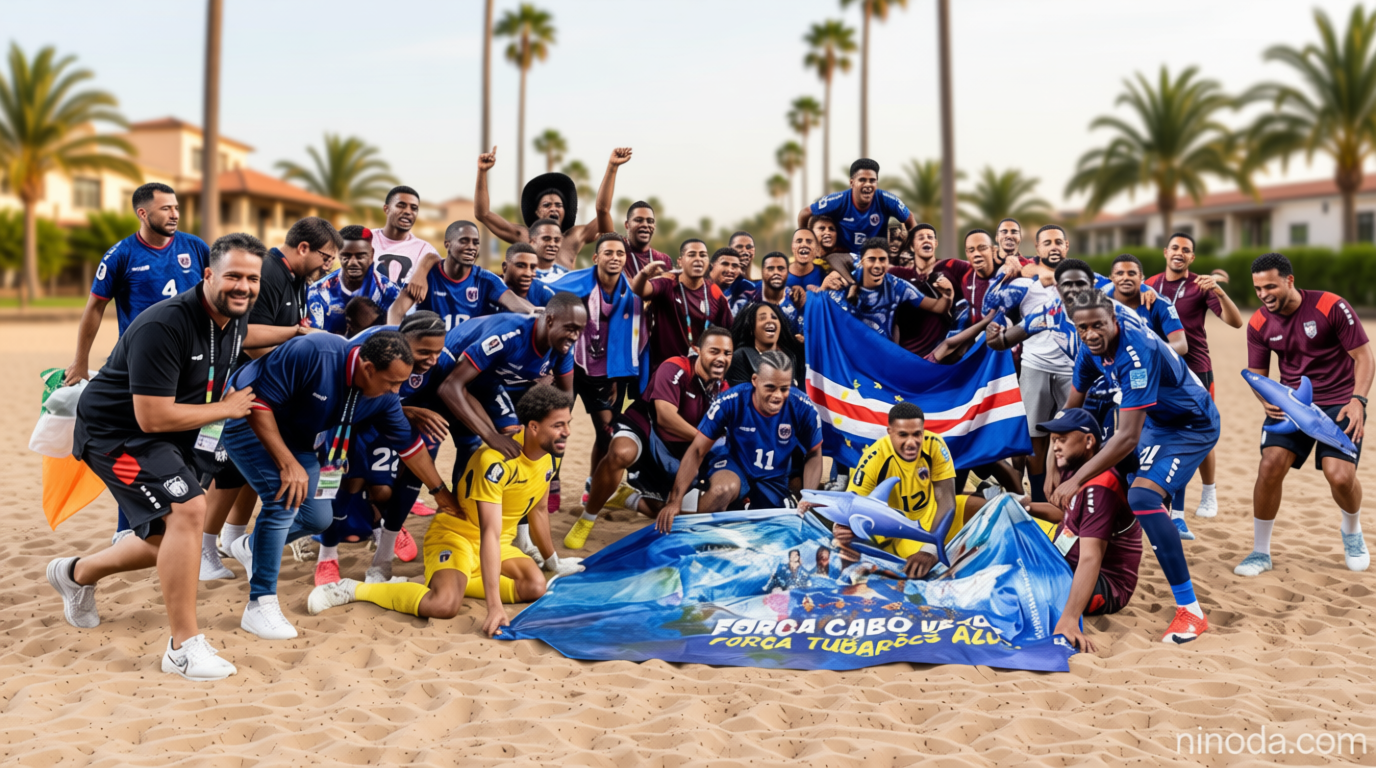
Ninoda.com – The FIFA World Cup has expanded to 48 teams, creating new narratives and altering traditional dynamics. Cape Verde’s journey to the knockout rounds stands out as a standout moment, defying expectations by eliminating Uruguay and securing a spot in the last 32. This achievement, however, raises questions about whether the revamped format has truly captured the excitement of the tournament.
A New Tournament, New Challenges
With teams from previously underrepresented regions now competing, the World Cup has introduced fresh storylines. Yet, for the top-tier nations, the group stage lacked the high-stakes drama seen in past editions. Major teams like Argentina, Brazil, and France faced minimal risks, partly due to the tiebreakers used—head-to-head results—allowing top performers to advance without significant hurdles.
“I told you so,” Gianni Infantino, FIFA president, might have muttered as Cape Verde’s triumph highlighted the benefits of expanding the tournament. The country’s qualification as one of the early success stories of the new format.
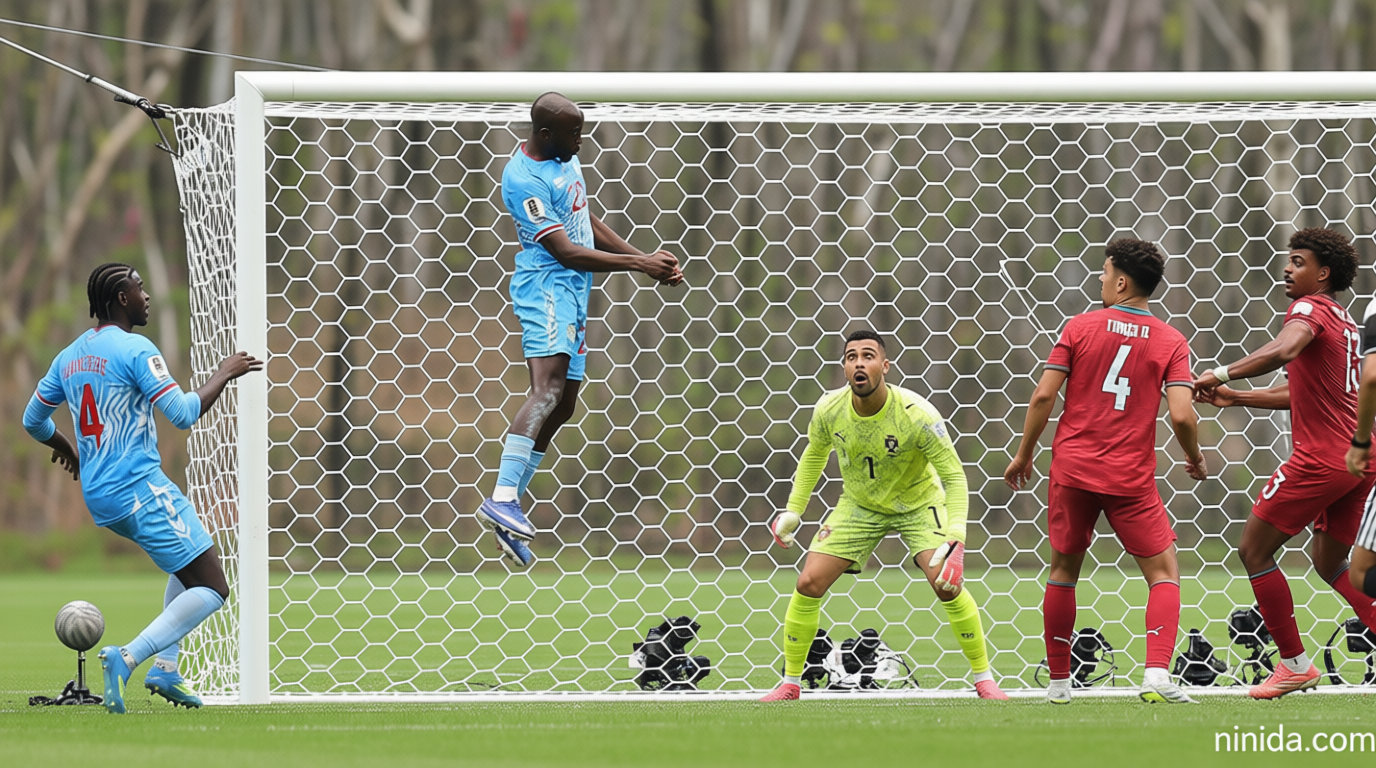
Cape Verde’s feat was extraordinary, especially against European champions Spain and Uruguay. Their 2-2 draw with Uruguay and a point against Spain showcased resilience. This success, however, came at a cost—many fans dismissed the team before they even arrived, envisioning a group featuring Spain and Uruguay as a near-impossible challenge. Yet, they proved otherwise, with goalkeeper Vozinha becoming an overnight sensation. His heroics in the Spain match catapulted his Instagram followers from 50,000 to 16.7 million, a testament to the global reach of football.
Vozinha’s rise wasn’t just a personal milestone. His mother, who had previously been unable to attend the World Cup due to visa costs, finally joined him for the Uruguay game. This emotional moment underscored the unique ability of the World Cup to elevate players from lesser-known leagues into international spotlight.
Regional Performances and Unintended Consequences
While Cape Verde and DR Congo’s 1–1 draw against Portugal offered hope, other regions faced challenges. The Caribbean island of Curacao, the smallest nation ever to qualify, fell short but earned a point against Ecuador. Meanwhile, Asia struggled, with nine teams securing just three wins across 27 matches—an average of 0.67 points per game. Only Australia and Japan managed to advance, despite having double the automatic spots compared to previous editions.
The new format also allowed nations like Bosnia-Herzegovina, Canada, Ivory Coast, and South Africa to reach the knockout rounds for the first time. However, this success seems partly due to weaker group matchups, which may dilute the competition’s intensity. The initial knockout rounds still feature 32 teams, maintaining the familiar structure, but the group stage has shifted the balance.
African teams, though, have thrived in the expanded format. Nine out of 10 African representatives advanced, reflecting strong performances across the continent. Yet, the format’s success remains a topic of debate, as it may obscure underperformances in other regions. For example, Concacaf’s 20 group stage points were dominated by the three co-hosts, with Curacao, Haiti, and Panama scoring just three goals while conceding 21. This suggests uneven opportunities, even as the tournament celebrates diversity and new stories.
Ultimately, the World Cup’s expanded format has delivered thrilling underdog tales and showcased football’s global reach. But as the tournament progresses, the question remains: does the thrill of these stories justify the compromises in competitive balance? Let us know your thoughts in the comments and cast your vote below.