
‘I see tourists pee in front of my house’: The campervan problem on the Isle of Skye

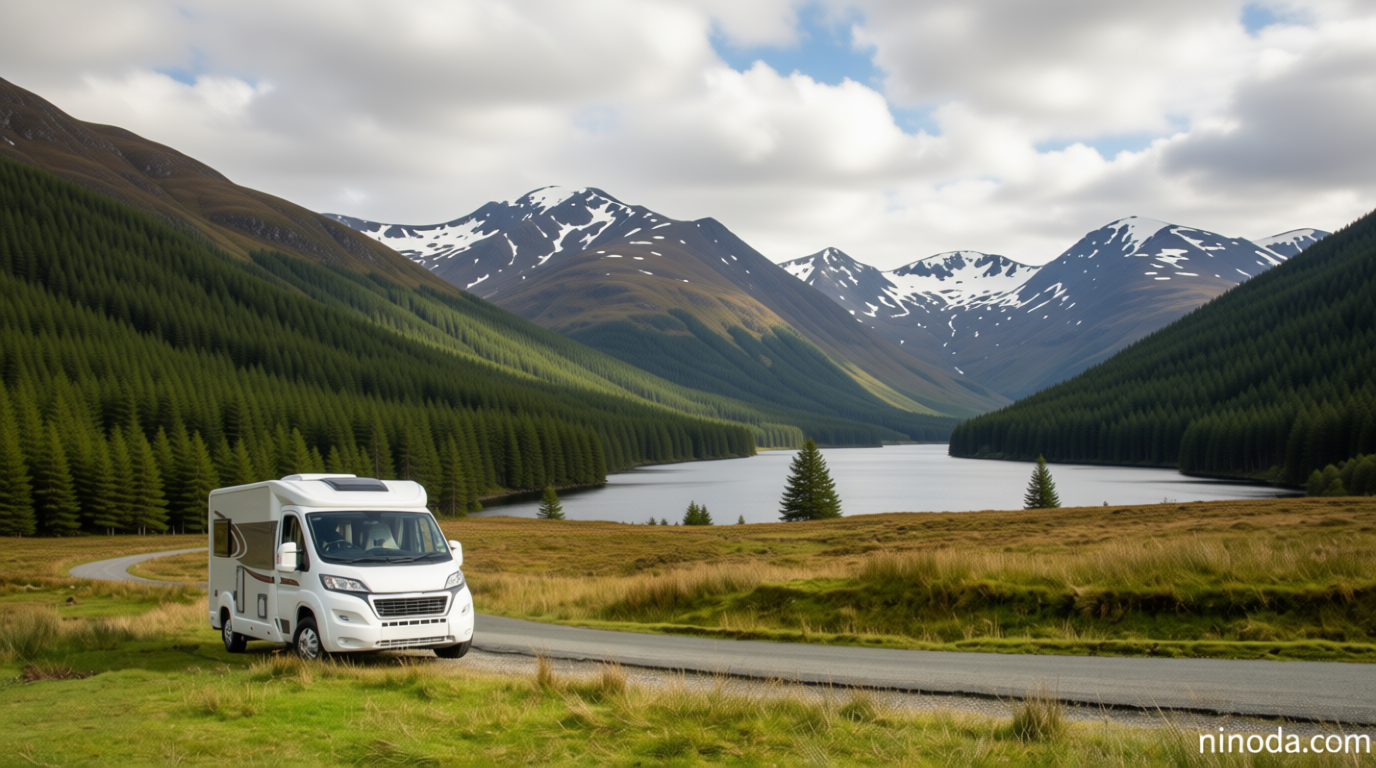
I See Tourists Pee in Front: The Campervan Issue on Isle of Skye
Ninoda.com – Residents on the Isle of Skye are raising concerns about the growing number of campervans and motorhomes clogging its roads, particularly during peak tourist season. With over 30,000 trips to the Scottish Highlands recorded annually, the island’s remote landscapes are becoming increasingly popular for van-based travelers. While these vehicles boost local economies and offer unique travel experiences, they also create challenges, including visible litter and the controversial practice of urinating in front of private homes.
Local Frustrations Over Public Spaces
Julia Dawber, a local whose property overlooks a picturesque coastal view, has voiced her dismay over the lack of discretion from some campervan users. “I see tourists pee in front of my house,” she said in an interview with BBC Alba’s Eorpa programme. “When I’m having dinner, people are coming out and going for a pee—I can see it.”
“There’s tissue sometimes left. It’s just absolutely disgusting.”
Despite the scarcity of toilets in the area, Julia argues that the natural surroundings provide ample opportunities for discretion. “There are trees and rocks—you could easily be discreet,” she noted. However, she criticized those who “choose to be brazen” by urinating directly on the road, turning serene vistas into uncomfortable scenes for nearby residents.
Comparisons to European Van Life
Photographer Danielle Stewart, who has made the Highlands her home for several years, acknowledges the charm of van life but highlights its challenges. “It’s freedom—you can wake up in beautiful places. That’s the best thing for sure,” she remarked. Yet, she pointed out the difference between van travel in the UK and Europe, where facilities are more accessible.
“Over the last winter, I went to Spain and Portugal for three months,” Danielle added. “It’s a very different van life in Europe—especially when you have proper waste disposal options. Here, the lack of infrastructure means we often have to manage our own waste, which can be problematic in isolated areas.”
Environmental and Community Impact
The issue of improper waste management extends beyond aesthetics, affecting local ecosystems and communities. Crofter Calum Beaton has faced firsthand the consequences of campervan users neglecting basic hygiene. He described an incident where a neighbor’s dog was “covered in it” after being left in a van, forcing the owner to clean the animal before returning it to its enclosure.
Calum also reported finding “chemical toilet waste dumped in my household bin,” which has disrupted his daily routine and raised concerns about the environmental toll of van tourism. “It’s not just about litter—it’s about respect for the land and the people who live here,” he emphasized, highlighting the broader implications of the issue.
Positive Trends Amidst Criticisms
While complaints persist, many visitors and locals recognize the need for responsible travel. Sarah MacKinnon, owner of Mrs Mack’s takeaway in Torrin, noted that the majority of campervan users are mindful of their surroundings. “We’ve been at this for six years now, so it’s definitely a little bit quieter this year,” she said. “I must say this place is clean and tidy.”
“We had 16 campers up there, young teenagers, last night. There’s no mess. I would say on the whole, 95% of people are pretty good.”
MacKinnon’s comments suggest that while the problem remains, most travelers are adapting to the local environment and respecting its natural beauty. This balance between convenience and responsibility is crucial for sustaining the island’s appeal as a tourist destination.
Guidelines for Sustainable Travel
Efforts to address the issue include guidelines promoting responsible behavior in the countryside. The Scottish Outdoor Access Code, managed by NatureScot, outlines principles such as respecting others, caring for the environment, and taking personal responsibility. While the code permits wild camping with minimal impact, it does not explicitly allow overnight stays on roads.
Beate and Heiner Delbach, who prioritize eco-friendly practices, view these guidelines as a foundation for ethical van travel. “It’s very important for us because we want to respect nature and also the respect for other people,” Beate said. “For us, it’s normal.” Their approach reflects a growing awareness among travelers about the importance of minimizing their environmental footprint.
Future Challenges and Solutions
The debate over campervan tourism on the Isle of Skye is part of a larger conversation about sustainable travel in the Highlands and Islands. Councils are working to establish a network of motorhome-friendly stopovers, but funding targets may fall short by £500,000, complicating efforts to improve infrastructure. Meanwhile, residents and businesses continue to advocate for stricter waste management practices.
As the number of visitors grows, so does the need for a collaborative approach to address the challenges. From better waste disposal facilities to awareness campaigns, solutions must balance the economic benefits of tourism with the protection of the island’s natural and cultural heritage. The question remains: how can campervan users and locals coexist while preserving the charm of Skye for future generations?