Refugees will be told to repay around £10,000 under new asylum rules

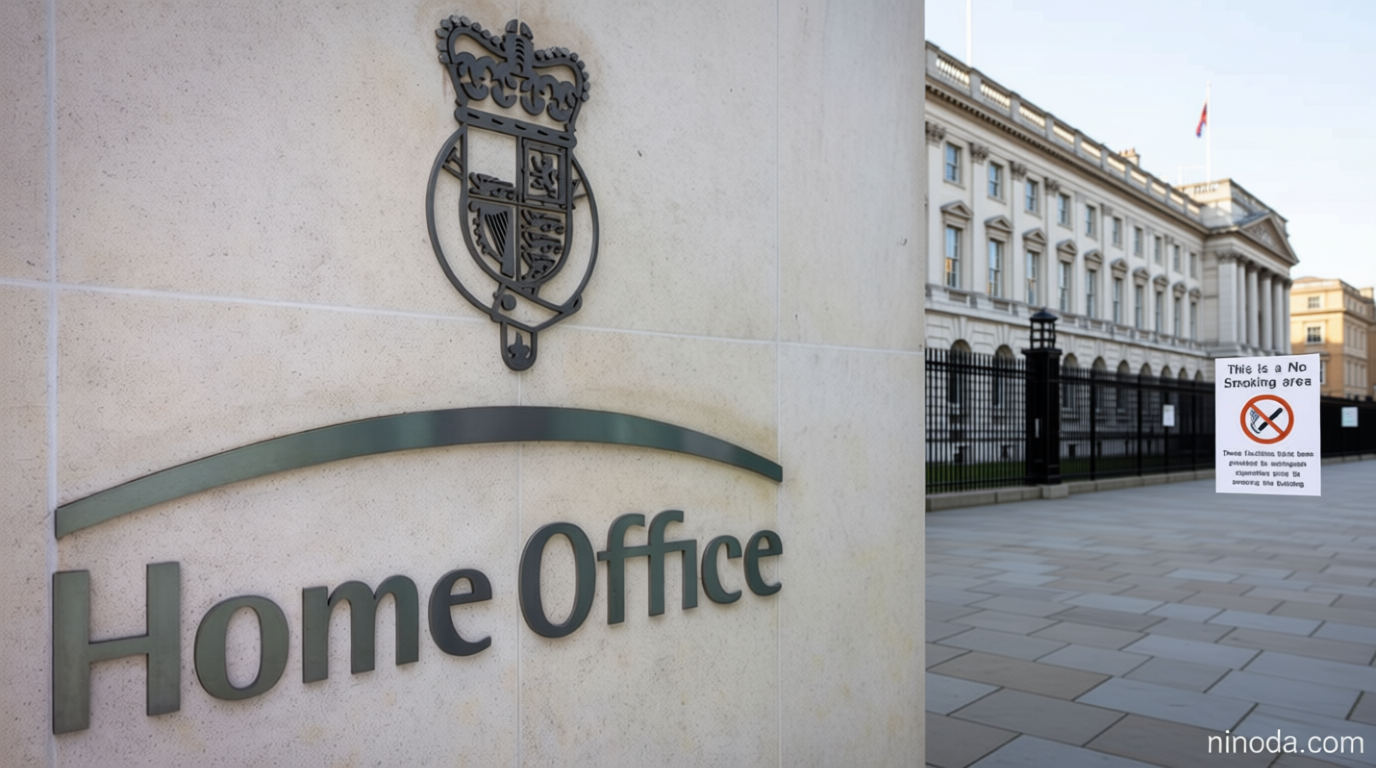
Refugees will be told to repay around £10,000 under new asylum rules
New Asylum Rules and Repayment Obligations
Ninoda.com – The UK government has announced a significant overhaul of asylum support, with a new policy set to require refugees to repay approximately £10,000 in public funds once they begin working. This change, included in the upcoming Immigration and Asylum Bill, aims to ensure that individuals who are granted asylum in the UK contribute back to the system as they gain financial independence. The policy applies to adults with the capacity to work, who will gradually repay the amount through a structured mechanism tied to their income. This shift is expected to take effect as the bill progresses through parliamentary debate, potentially reshaping the support framework for asylum seekers.
Reactions and Concerns from Experts and Advocates
“These changes will show that asylum support is a right, but it is also a responsibility,” said Home Secretary Shabana Mahmood. “When individuals can contribute and repay the generosity of the British people, we expect them to do so.”
While the government frames this as a fair adjustment, critics argue that the policy could place undue pressure on refugees, many of whom arrive with limited resources. The Refugee Council’s Imran Hussain highlighted the challenges, stating: “This initiative imposes an unfair and impractical additional burden on refugees. It will make it harder for families to rebuild their lives and become self-sufficient, especially since many arrive with no resources.”
Experts at the University of Oxford’s Migration Observatory have raised concerns about the feasibility of the repayment system. Dr. Madeleine Sumption noted that in 2023, only 13% of those granted refugee status five years earlier earned over £20,000 annually. “Unless repayment thresholds are set significantly lower than the minimum wage, few asylum recipients will be able to contribute to the scheme,” she explained. This suggests the policy may disproportionately affect low-income individuals, potentially deterring some from pursuing work or integration.
Financial Implications and Cost Breakdown
Statutory data reveals that the UK spent £4 billion on asylum seeker support last year, covering housing, food, and basic living costs. Under the current system, public housing for asylum seekers costs £23.25 per night, while hotel stays average £144. Weekly subsistence payments range from £9.95 to £49.18, depending on the region and type of support. The new repayment plan introduces a fixed £10,000 obligation, which will be deducted monthly from the earnings of eligible adults once they secure employment.
The government argues that this measure will reduce the financial strain on taxpayers while encouraging self-reliance. However, the Home Office has not yet specified the income threshold required for monthly repayments, leaving room for potential disputes or adjustments. The policy allows the home secretary to modify the repayment amount and thresholds as needed, ensuring flexibility in implementation.
Political Backing and Legislative Process
Shadow home secretary Chris Philp accused Labour of adopting a Conservative policy, stating: “This plan was originally proposed in an amendment to the Immigration Bill last year, which Labour opposed.” The legislation seeks to establish a more structured asylum system, reducing incentives for illegal migration by creating clear pathways for legal entry. Despite these goals, some Labour MPs are expected to resist the stricter measures, citing concerns about the policy’s impact on vulnerable groups.
The new law also includes provisions for “capped safe and legal” pathways, allowing organizations like universities and businesses to sponsor asylum seekers. This would lower the financial burden on public funds by encouraging private contributions. Meanwhile, the Home Office plans to repurpose former military barracks for housing asylum seekers, following the closure of 20 hotels in England. These changes highlight a broader strategy to streamline resources and manage asylum seeker numbers more efficiently.
Impact on Asylum Seekers and Public Perception
While the policy aims to promote responsibility, its implementation could have lasting effects on the asylum process. For many refugees, the £10,000 repayment requirement may come at a critical time when they are still adjusting to their new environment. Advocacy groups warn that this could lead to financial hardship, especially if the repayment thresholds are set too high. However, supporters argue that the policy will ensure that those who benefit from asylum support also give back, reinforcing the idea that integration requires active participation.
The policy has also sparked debate about its fairness and transparency. Critics question whether the £10,000 target is realistic for all asylum seekers, particularly those from regions with lower wages or higher living costs. As the Immigration and Asylum Bill moves forward, its success will depend on how effectively the government balances the need to reduce public expenditure with the welfare of refugees. The repayment mechanism is expected to be a focal point during parliamentary discussions, with amendments likely to shape its final form.
Broader Context and Future Outlook
Refugees will be told to repay around £10,000, which has become a central theme in the government’s asylum reform. This move aligns with broader efforts to make the UK’s immigration system more cost-effective and accountable. However, the challenge lies in ensuring the policy is equitable. With asylum seeker numbers rising and public funding under scrutiny, the repayment scheme could be a key tool in managing resources, but its long-term impact on refugee integration remains to be seen.
The introduction of this policy also reflects a shift in public sentiment toward asylum seekers, with a growing emphasis on contribution and accountability. While some argue that it could deter future applicants, others believe it will encourage greater work ethic and reduce reliance on long-term support. As the bill progresses, the success of this policy will be measured not just by its financial implications, but by its ability to foster sustainable integration and maintain public trust in the asylum system.