Why $20 durians are now being sold at half price – or given away for free

Why 20 Durians Are Now Being Sold at Half Price—or Given Away for Free
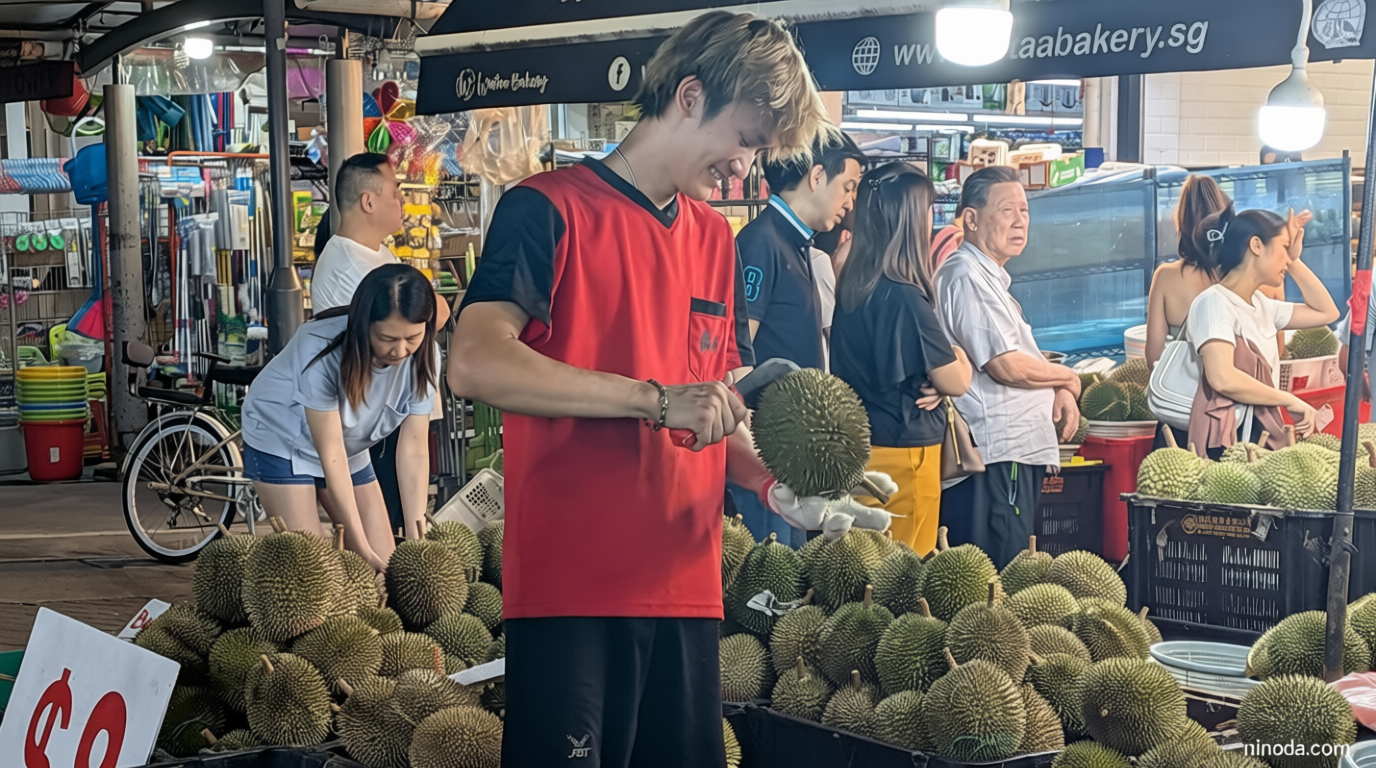
Ninoda.com – Why 20 durians are now being sold at half price—or even given away for free—has sparked a wave of curiosity among consumers and concerns among producers in Malaysia. The nation’s durian surplus has triggered a sharp decline in prices, with shoppers in Singapore seizing the opportunity to purchase the prized fruit at heavily discounted rates. At Durian Ninja, a well-known stall in Tampines, customers line up daily to claim two free durians per person, contributing to the sale of approximately 600kg of fruit each day. This market shift underscores a broader crisis in the durian industry, driven by an unprecedented glut that has disrupted supply chains and pricing strategies.
The Roots of the Durian Overstock
The price drop stems from a decade-long boom in durian farming, as Malaysian farmers shifted from traditional crops like rubber trees or oil palms to durian cultivation. This transition was fueled by the high demand for Musang King, often dubbed the “Hermès of durians” in China, which became a cornerstone of Malaysia’s export market. However, the rapid expansion of durian production has led to a saturation of the market, with prices for premium varieties like Black Thorn and Musang King plummeting. “A lot of people got into durian farming because of its popularity in China,” explains Lu Yuee Thing, a farmer in Raub. “But now, the flood of supply is pushing prices down significantly.”
Malaysia typically produces around 550,000 tonnes of durians annually, but the current overstock is far more severe. Farmers like Han Sing Keng in Johor have reported cutting prices for Musang King nearly in half, selling them at 50 ringgit per kilogram. “The market pressure is overwhelming,” Han says. “To stay afloat, I’ve started diversifying into bananas.” This trend highlights how the demand from Chinese markets has driven production, but now the same demand is creating a challenge for growers to maintain profitability.
Impact on Farmers and Market Dynamics
While consumers in Singapore benefit from lower prices, the situation is dire for many Malaysian farmers. The influx of lower-quality durians has further complicated matters, as even subpar yields carry the Musang King name, confusing buyers and reducing the value of higher-tier fruits. “Many durians are not suitable for export, but the brand remains,” says Lee Wah Chong, who manages a resort and durian farm in Malacca. “This has created a race to the bottom, where quality is overlooked in favor of quantity.”
Regional variations in weather have also played a role in the crisis. Edwyn Chiang Kyn Hoe of MIDIDA notes that irregular rainfall during flowering seasons has affected some areas, while others have enjoyed normal harvests. This uneven distribution has led to market instability, with prices fluctuating wildly. Last December, Lu Yuee Thing sold Musang King durians at an average of 13.50 ringgit ($3.30), but this month, he can only fetch half that amount. Such disparities highlight how climate conditions, combined with overproduction, have intensified the challenge for growers.
The crisis has also rippled through the supply chain. Retailers and exporters, once able to command high prices for durians, now face the risk of unsold stock. In some cases, durians are being given away for free to clear inventory, a strategy that has become common in markets like Singapore. “People are enjoying durians almost every day,” says Cherng, a long-time buyer. “It’s a rare chance to get good quality at a bargain.” Yet, for the farmers, this abundance that delights consumers has turned into a financial burden, with many struggling to recover costs.
Authorities are now working to stabilize the market, but solutions remain elusive. The durian industry, once a symbol of prosperity, is now grappling with the consequences of its own success. As the “durian tsunami” continues, experts warn that without intervention, the situation could worsen. “Different periods of durian growth require specific weather conditions,” adds Han Sing Keng. “Unseasonal rain or winds can disrupt pollination, and then the trees need a month of hot weather to flower, but cooler temps for harvest.” These unpredictable factors have compounded the challenges of overproduction, leaving growers in a precarious position.