Starmer trims budgets to fund extra £15bn for defence

Starmer Trims Other Spending to Boost Defence Budget
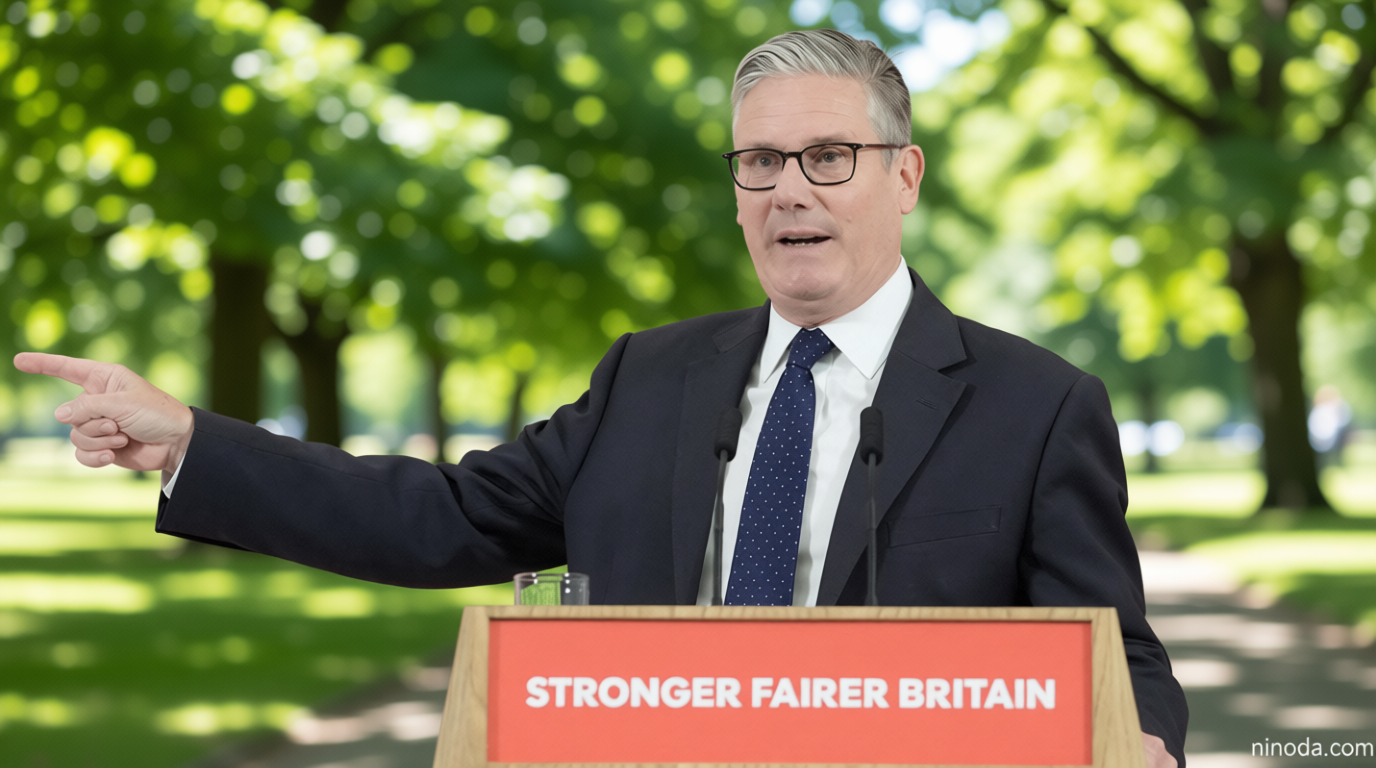
Ninoda.com – Prime Minister Sir Keir Starmer unveiled the UK’s delayed defense strategy, which includes a £15bn boost to military funding. This increase, aimed at raising annual defense spending to £80bn by 2029, will come at the expense of reducing long-term investment budgets in other government areas by 1%. The move marks one of his last initiatives before stepping down from office.
In a speech, Starmer highlighted the plan’s goal to reverse the decline of the armed forces under the previous Conservative government. The strategy is expected to be continued by his successor, likely Andy Burnham, though Burnham has not yet commented. The funding adjustment involves scaling back certain projects, such as road developments and energy programs, to free up resources for defense.
Starmer emphasized that the plan would allow the UK to reach a military budget of 2.7% of GDP by 2029, aligning with NATO’s target of 3.5% by 2035. However, he did not specify a timeline for hitting the 3% goal, which is set for the next five-year parliamentary term. The Treasury confirmed that £10.3bn in savings have been identified, with an additional £4.7bn to be confirmed in the upcoming Budget.
Defense Priorities and Program Details
The defense investment plan outlines several key commitments. Over the next four years, £64bn will be allocated to bolster the UK’s nuclear deterrent, including new submarines and F-35A fighter jets. A £5bn initiative will support the modernization of drone capabilities, while £8bn is earmarked for the Global Combat Air Programme (Gcap), a joint effort with Japan and Italy to develop next-gen RAF stealth jets.
Additional plans include transforming the Royal Navy into a “hybrid fleet” that integrates AI and self-operated vessels with traditional warships and aircraft. The Royal Air Force will also introduce autonomous fighter jets and deploy an “uncrewed electronic warfare drone system” by 2026. These investments are part of a broader shift toward “warfighting readiness,” as outlined in the Strategic Defence Review (SDR) published in June 2025.
“Navy plans reflect a significant change in how wars are fought,” said Frank Gardner. General Sir Richard Barrons, a co-author of the SDR, noted that while the DIP “does count as progress,” it falls short of addressing the UK’s defense needs “sufficiently well and quickly.” He added, “More has to be done sooner, and that requires more money than is currently on the table.”
The DIP also targets £11bn in efficiency savings by 2030, achieved through workforce reductions, consultancy cuts, and tech-driven cost savings. Despite these measures, defense officials clarified that the spending increase is not dependent on the savings being realized. Two defense ministers resigned earlier this month, criticizing the scale of the proposed funding boost, which has sparked intense debates in Whitehall.