Frank Gardner: Key points from government’s defence spending plan

Frank Gardner: Key points from government’s defence spending plan
Ninoda.com – The UK government has unveiled its long-awaited defence investment plan (DIP), detailing future funding for the armed forces. The proposal allocates an extra £15bn over four years, bringing total defence spending to £298bn, with a focus on modernizing capabilities and securing strategic assets.
NATO Targets and Global Comparisons
By 2030, the plan aims to increase defence funding to £80bn annually, representing a 27% real-term rise since 2024. This is the most significant boost since the Cold War era, according to ministers. However, the figure still falls short of NATO’s 3% GDP target. While the US spends 3.2% and Germany 3.7%, Russia’s allocation of over 7.5% highlights the UK’s relative underinvestment.
Shifting Priorities and New Threats
“This is a huge, historic shift for our nation,” said Prime Minister Sir Keir Starmer in a recent speech. He emphasized the transition from traditional military assets to more scalable, cost-effective technologies.
The strategy prioritizes smaller, expendable weapons over expensive platforms like destroyers, aligning with concerns about hypersonic missile threats. Despite this, the UK’s current stock of AS90 self-propelled artillery is nearly depleted, prompting the purchase of Swedish Archer systems to replenish capabilities.
Nuclear Deterrent and Collaborative Projects
A key component of the plan is funding for the UK’s continuous-at-sea nuclear deterrent, including warheads and supporting infrastructure. The Ministry of Defence (MoD) also plans to acquire modified F35A jets capable of carrying nuclear bombs, though delivery is expected beyond the current decade. This move places the UK in a unique position compared to Russia, which already operates a vast arsenal of tactical nuclear weapons.
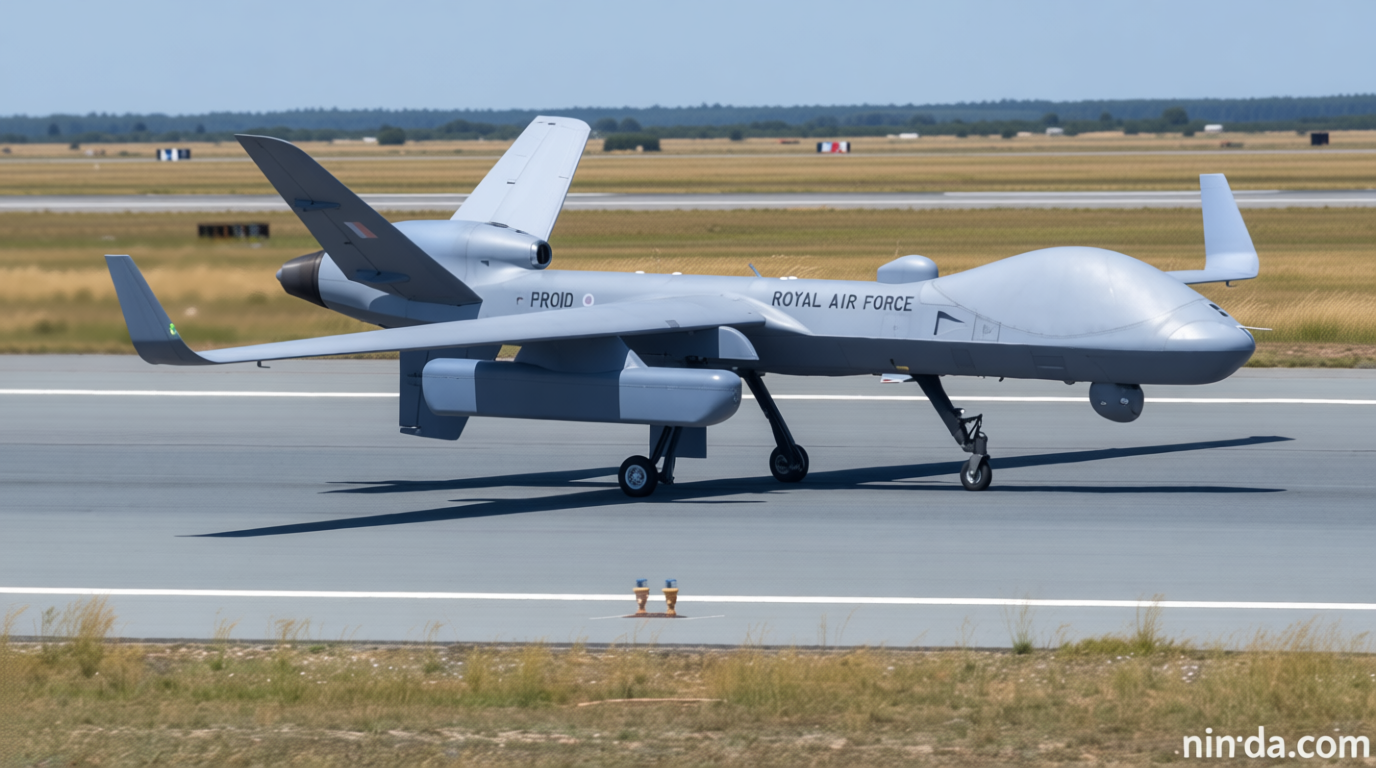
Collaboration with Italy and Japan is set to accelerate the development of next-gen RAF stealth jets, signaling a shift toward hybrid squadrons that integrate manned and unmanned systems. Pilots will work alongside drones, reshaping aerial operations and expanding surveillance and strike capabilities.
Defensive Investments and Remaining Gaps
Additional funds will bolster command structures, radars, and counter-drone systems to protect UK and overseas installations. However, military experts warn that ballistic missile defenses remain underdeveloped, leaving the country vulnerable to hypersonic attacks. The Typhoon jets, which have served since 2004, are set to remain the primary defense against drones and cruise missiles until the 2040s.
The plan also addresses Russian interest in cutting undersea data cables and energy pipelines. A Russian deep-sea vessel, the Yantar, has been spotted near critical cable junctions, raising fears of disruption in a potential conflict. While the funding enhances resilience, the £28bn shortfall between needs and current allocations remains a concern.
Army’s Reduced Size and Operational Challenges
With the British Army now at 74,000 personnel, it faces challenges in maintaining the large forces deployed during past operations, such as Operation Desert Storm in 1991. Defence Secretary Dan Jarvis, who took over after John Healey resigned in June, has secured an extra £1.5bn, but the overall budget still lags behind officials’ requests.