Halifax brand to be scrapped after 173 years

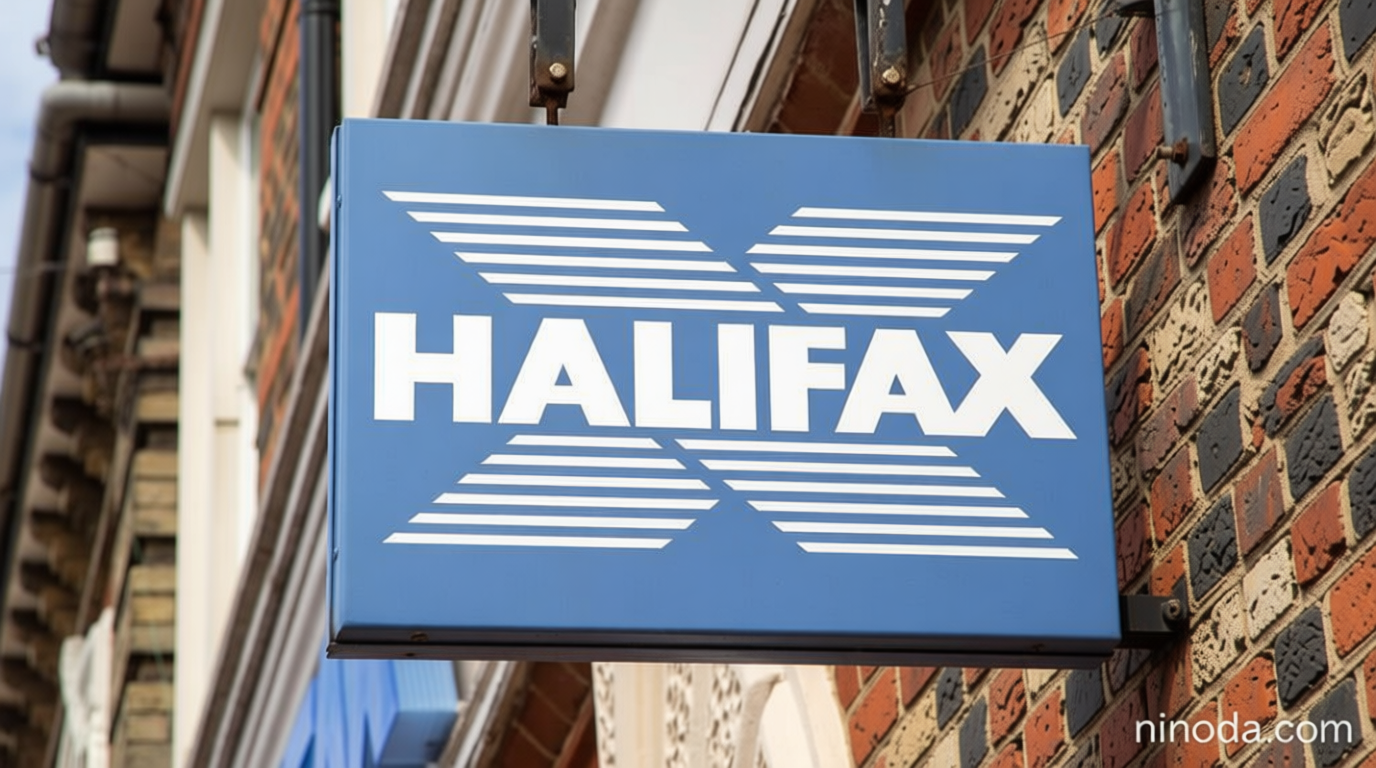
Halifax brand to be scrapped after 173 years
Ninoda.com – The iconic Halifax brand, which has been a cornerstone of British banking for over 170 years, is set to be retired by Lloyds Banking Group. This marks the end of an era for the long-standing name, which was first introduced in 1853 and became synonymous with financial services in West Yorkshire. The decision, announced in May, outlines a plan to phase out the standalone Halifax identity by 2027, with all customer accounts gradually transitioning to Lloyds branding. While the rebranding is expected to streamline operations, it has sparked debate about the legacy of the Halifax name and its cultural significance to the local community.
Evolution of a Financial Institution
Founded as the Halifax Permanent Benefit Building Society, the institution began by offering its first mortgage in the same year it was established. By 1928, it had grown to become the world’s largest building society, with assets surpassing £47 million. Over the decades, the Halifax adapted to changing financial landscapes, including its 2001 merger with the Bank of Scotland to form HBOS, which was later acquired by Lloyds Banking Group in 2009. This integration has allowed the brand to expand its reach beyond Yorkshire, but the decision to retire the name signals a shift toward a more centralized identity under the Lloyds umbrella.
“The Halifax name has been more than just a brand—it’s been a symbol of trust and heritage for generations of customers,” remarked a long-time Halifax client. The brand’s unique identity, including its familiar app design and sort codes, has been a source of comfort for many. Despite the rebranding, Lloyds has assured that these elements will remain unchanged to ease the transition for users. The decision also aims to simplify the group’s operations, consolidating resources and reducing complexity in a competitive market.
Community Concerns and Local Reactions
The retirement of the Halifax brand has drawn mixed reactions from local stakeholders. Kate Dearden, the Labour MP for Halifax, expressed disappointment, emphasizing the brand’s role as a “cornerstone of our community.” She warned that without continued investment, the brand’s disappearance could weaken its economic impact. Meanwhile, Dan Sutherland, Reform leader for Calderdale Council, praised Lloyds for its commitment to the town, citing a £116m investment in modernizing the Trinity Road headquarters as evidence of this dedication.
“While the name may change, Lloyds can still honor Halifax’s legacy by supporting local initiatives,” Dearden added. However, some residents argue that the rebranding might dilute the town’s unique character. Scott Patient, a Calderdale Labour councillor, cautioned that “losing a long-standing brand feels like erasing part of our identity.” Others remain optimistic, viewing the move as a necessary step to keep the institution relevant in a rapidly evolving financial landscape.
Amid the uncertainty, the focus remains on minimizing disruption for customers. Lloyds has pledged to maintain branch accessibility and ensure that existing account numbers and sort codes remain valid. The transition will involve a phased approach, with branches either rebranded or relocated to accommodate the new identity. This strategy aims to balance operational efficiency with the preservation of customer familiarity, though some fear that the loss of the Halifax name may lead to a sense of detachment from the town’s history.
Historical Legacy and Cultural Significance
The Halifax brand’s history is deeply intertwined with the development of home ownership in the UK. During the Industrial Revolution, it played a pivotal role in providing affordable mortgages to working-class families, enabling them to purchase property for the first time. One of its earliest customers, Esau Hanson, used a £121 loan in 1873 to buy land on St John’s Lane, a testament to the brand’s impact on everyday lives. Over the years, the Halifax has grown from a local building society into a national institution, but its roots in Halifax continue to define its character.
As the brand prepares to retire, its historical significance is being celebrated by historians and local advocates. The Halifax’s evolution through mergers and modernization reflects its adaptability, yet the decision to phase out the name raises questions about how to preserve its legacy. Community leaders are urging Lloyds to continue investing in local projects, ensuring that the brand’s spirit endures beyond its formal name. This includes maintaining job opportunities and supporting initiatives that reflect the town’s heritage.
Despite the challenges, the move is seen as a strategic necessity by Lloyds. The banking group has emphasized that the rebranding will not compromise service quality or customer experience. By 2027, all branches will either adopt the Lloyds name or be integrated into the broader network. While some view this as a loss, others believe it will allow the institution to better compete in a digital-first era. The outcome of this transition will determine whether the Halifax brand’s legacy is remembered or overlooked in the years to come.