Watch: BBC at site of deadly Russian attack on Kyiv flats

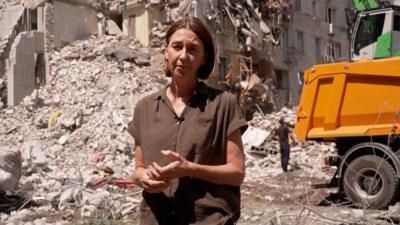
Watch: BBC at site of deadly Russian attack on Kyiv flats
Ninoda.com – A harrowing aerial assault by Russian military forces struck a residential area in Kyiv late on the night of [date], leaving a devastating trail of destruction and claiming the lives of at least 18 civilians. The attack, which combined drone strikes and missile fire, targeted a nine-story residential complex in the heart of the Ukrainian capital, sparking widespread panic and displacement among residents. As the BBC’s Southern and Eastern Europe correspondent, Sarah Rainsford, documents the aftermath on-site, the footage captures the immediate chaos and the long-term implications of this unprecedented strike. The incident has raised urgent questions about the scale of Russia’s military operations and the toll on everyday lives in Kyiv.
Devastating Strike in Kyiv
The attack on Kyiv’s residential flats was among the most severe in the city’s recent history, with multiple buildings reduced to rubble and extensive damage reported across several neighborhoods. According to Ukrainian officials, the strikes were part of a coordinated effort to weaken the city’s infrastructure and morale. The use of drones and precision-guided missiles highlighted the evolving tactics employed by Russian forces, targeting both strategic and civilian locations. The residential complex, located in the southern part of the city, was heavily damaged, with reports of casualties including both adults and children. Emergency services worked tirelessly to rescue survivors and assess the full extent of the destruction, which has drawn international condemnation and concern over the humanitarian impact.
Residents described the attack as a sudden and terrifying event, with explosions shaking the ground and debris raining down from the sky. “It was like the whole building was hit by a giant hand,” said one survivor, speaking to the BBC. The attack occurred amid ongoing conflict in the region, with Kyiv remaining a key target due to its political and symbolic importance. The city’s mayor, Andriy Sadovyi, labeled the incident the “most massive attack” on the Ukrainian capital since the war began, emphasizing the scale of the destruction and the urgency of securing the area. His remarks underscored the severity of the situation, as officials scrambled to provide aid and stabilize the affected districts.
BBC on the Ground: Firsthand Reporting
As the BBC’s correspondent Sarah Rainsford navigates the debris-strewn streets of Kyiv, she offers a compelling glimpse into the devastation left by the Russian assault. The footage from the scene shows the extent of the damage, with entire blocks reduced to smoldering ruins and families forced to flee their homes. Rainsford highlights the emotional toll of the attack, interviewing survivors who recount the moments of fear and survival. “The silence after the explosions was deafening,” she reports, capturing the lingering trauma of the event. The BBC’s presence in the area underscores the importance of on-the-ground journalism in documenting the realities of the conflict, ensuring that the global audience is informed about the human cost and strategic significance of the attack.
Amid the chaos, the BBC team managed to capture critical footage, including the immediate aftermath of the strike and the efforts of first responders. The report emphasizes the strategic location of the targeted residential flats, which are believed to house key government or military personnel. This suggests that the attack was not only a military maneuver but also a deliberate attempt to strike at the heart of Kyiv’s administrative functions. The video footage, combined with on-the-ground interviews, provides a visceral account of the destruction, with Rainsford describing the eerie stillness of the streets and the lingering smell of smoke. Such visuals have intensified global awareness of the ongoing conflict and its impact on civilian populations.
Evacuations and Warnings
Hours before the attack, Ukrainian President Volodymyr Zelensky had issued a stark warning about Russia’s imminent operations, citing intelligence reports of a major strike targeting Kyiv. Following the assault, emergency measures were swiftly enacted, with multiple neighborhoods placed under evacuation orders as authorities assessed the risk of further explosions. The city’s infrastructure, including transportation hubs and communication networks, faced significant disruption, complicating rescue efforts. Many residents, unable to return to their homes, sought shelter in nearby bunkers or with relatives, highlighting the vulnerability of the population in the face of sustained military pressure.
Residents reported that the attack was a surprise, with few opportunities to escape before the bombs struck. “We heard the explosions, but it was too late,” said another survivor, describing the frantic rush to safety. The BBC’s coverage captures the emotional resilience of the Ukrainian people, even as the destruction serves as a grim reminder of the war’s reach. The incident has also reignited debates about the effectiveness of early warning systems and the need for better protection for civilian areas. As the city begins to recover, the footage from the BBC continues to serve as a powerful testament to the resilience and sacrifice of those living through the conflict.
International Response and Ongoing Impact
The Russian attack on Kyiv has drawn immediate reactions from international leaders and organizations, with calls for accountability and increased support for Ukraine. European Union officials expressed outrage over the targeting of residential areas, while NATO members reaffirmed their commitment to bolstering Kyiv’s defenses. The United Nations has also condemned the attack, emphasizing the need to protect civilian infrastructure under international law. Meanwhile, in Kyiv, the focus remains on rebuilding and supporting the affected communities, with aid organizations mobilizing to provide essential supplies and medical care.
As the days pass, the psychological impact of the attack lingers with the city’s residents. Many describe a heightened sense of fear, with some opting to stay in shelters for extended periods. The BBC’s report serves as both a record of the event and a rallying point for those affected, capturing the human stories behind the statistics. The footage has been widely shared on social media, amplifying the voices of Ukrainian citizens and drawing global attention to the escalating violence. This sustained media coverage ensures that the memory of the attack remains fresh, keeping the international community engaged in the ongoing crisis.