On the Strait of Hormuz, BBC finds seized ships and shark fishermen as uneasy calm returns

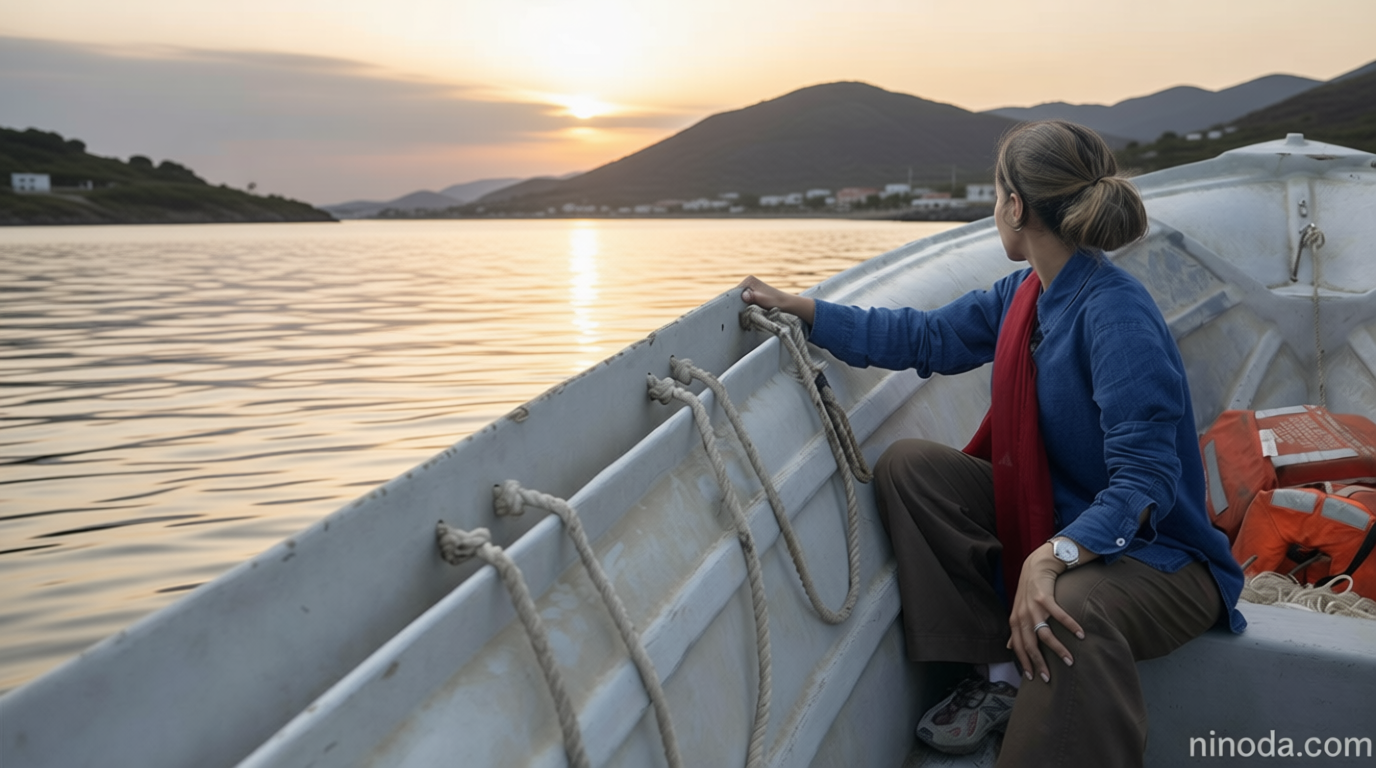
BBC Observes Seized Ships and Shark Fishermen at the Strait of Hormuz
Strait of Hormuz Reopens Amid Ceasefire
Ninoda.com – The Strait of Hormuz, a vital chokepoint for global trade, has seen a tentative resumption of activity after a U.S.-Iran ceasefire agreement in June. As the BBC ventured into the area, the scene in Bandar Abbas appeared almost normal. Fishermen gathered their daily catch, with one man showcasing small sharks—a local delicacy—while another transported fish via motorcycle. Though the port’s routine seemed to persist, the Strait of Hormuz remains a geopolitical hotspot, straddling the interests of the U.S., Israel, and Iran. This visit marks the first time international journalists have documented the Iranian side of the strait since the conflict intensified, highlighting the fragile balance of power and the return of daily life.
Impact of the Ceasefire
The Strait of Hormuz has long been a flashpoint for conflict, particularly following the U.S.-led attacks on Iran in February and the subsequent retaliation by Iran against Israel and Gulf allies. For months, commercial vessels were detained without Iranian approval, disrupting supply chains and driving up oil prices. The IRGC’s actions, including the seizure of two container ships flagged to Panama and Liberia in April, underscore the strategic importance of the strait. Despite the ceasefire, tensions linger, as Iran continues to use the waters as a leverage point in peace negotiations. Analysts note that while access has improved, the Strait of Hormuz remains a contested area, with lingering fears of renewed hostilities.
Historical Context and Strategic Value
As the BBC explored Bandar Abbas, the port’s historical significance became evident. The strategic location of the Strait of Hormuz, near the narrowest point of the Persian Gulf, has made it a battleground for centuries. The ancient fortress on Hormuz Island, now weathered by time, symbolizes the region’s long-standing role in global commerce and military conflict. Today, the port hosts the Iranian Navy and the IRGC’s naval forces, reinforcing Iran’s control over the waterway. About 20% of the world’s oil and gas shipments pass through the Strait of Hormuz, making it a linchpin for international energy markets and a key element of Iran’s asymmetric warfare tactics.
Return of Maritime Trade
The recent easing of restrictions has allowed some vessels to resume passage through the Strait of Hormuz. However, the pace of recovery remains slow, with dozens of cargo ships still waiting for Iranian clearance. The BBC observed fishermen cautiously returning to the waters, balancing the risk of conflict with the need to sustain their livelihoods. One local described the return of fishing as a sign of hope, though the presence of IRGC patrols and the memory of recent attacks cast a shadow over their optimism. The strait’s reopening signals a shift toward stability, yet the underlying tensions continue to shape its daily operations and international significance.
Scars of Conflict Remain
Despite the improved access, the Strait of Hormuz still bears the marks of recent hostilities. The BBC noted the quiet aftermath of an Israeli strike on an apartment block near Bandar Abbas, which had once been a bustling hub of activity. The event serves as a reminder of the human cost of the conflict, even as economic and diplomatic efforts seek to restore normalcy. The presence of military assets and the strategic importance of the area mean that any disruption could have far-reaching consequences. For now, the focus is on maintaining the fragile ceasefire and ensuring the safety of those working and living in the region.
Looking Ahead
As the Strait of Hormuz continues to play a central role in regional and global dynamics, its future hinges on sustained diplomatic efforts. The U.S. and Iran remain locked in discussions, with the strait serving as a bargaining chip in their negotiations. Meanwhile, the local community in Bandar Abbas is adapting to the new reality, blending resilience with cautious optimism. The return of fishing and the visible signs of economic recovery suggest that life is slowly returning to normal. However, the Strait of Hormuz remains a symbol of the delicate peace that has taken hold, with both sides aware that tensions could flare again at any moment. For now, the waters are a testament to the power of diplomacy and the enduring importance of this critical maritime corridor.