‘Less than 10% sheep’: How millions may have unknowingly eaten goat, skin and fat kebabs

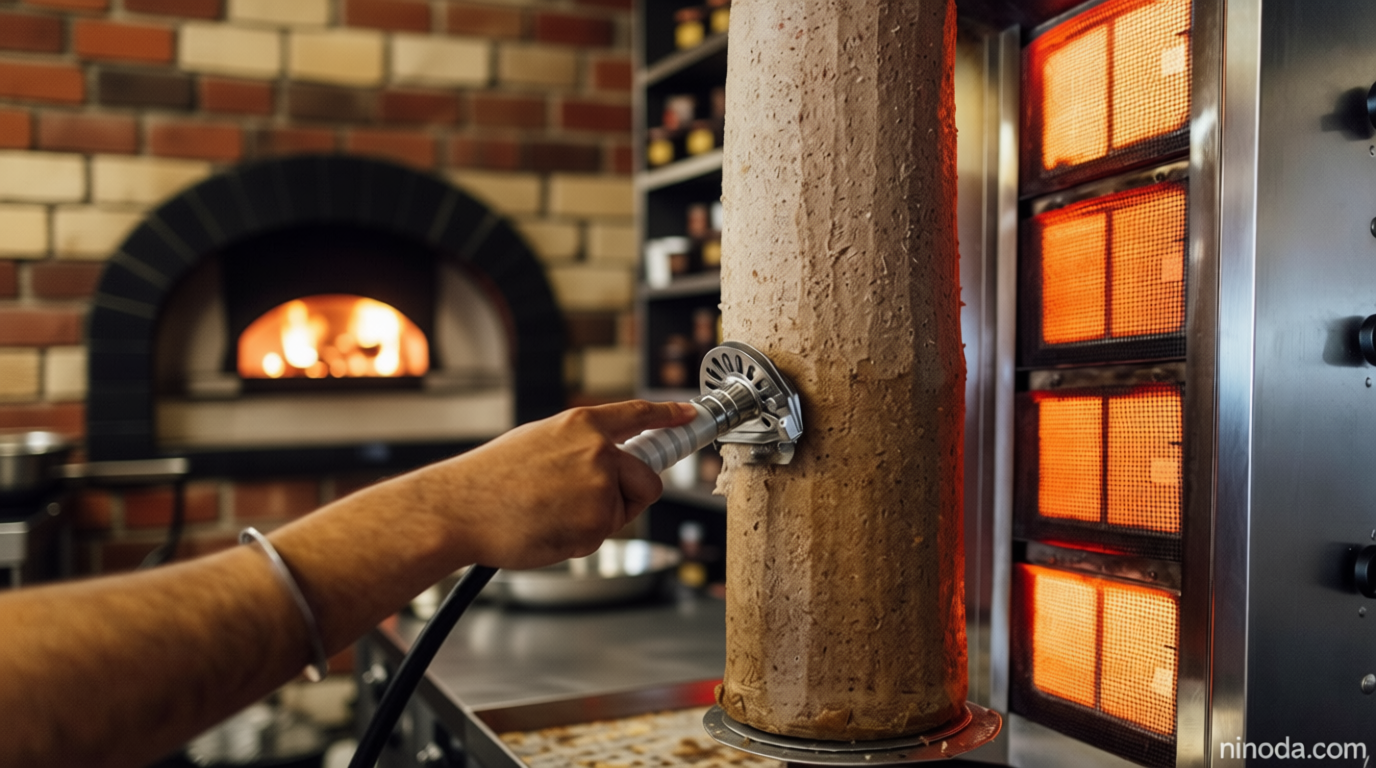
Less than 10% Sheep in Lamb Kebabs: UK Scandal Exposes Mislabeling
Ninoda.com – Kismet Kebabs, a leading UK doner kebab chain, has been found to mislead customers by labeling meat as lamb that contained less than 10% sheep. The company, based in Essex and responsible for producing over 100 tonnes of kebabs weekly, admitted to mixing goat, skin, and fat into its lamb products, which were advertised as containing up to 87% sheep meat. This deception, which spanned several years, led to a £500,000 fine for the company. The scandal highlights a growing issue in food labeling, where millions of consumers may have unknowingly consumed ingredients not listed on the packaging.
Discovery Through DNA Testing
Swansea trading standards officers launched random DNA tests on doner kebab meat in 2020 and 2021, uncovering the extent of the mislabeling. The results revealed that products labeled as 70% lamb had minimal sheep content, with many kebabs containing goat, beef fat, and chicken drumsticks instead. Rhys Harries, a Swansea trading standards officer, explained that the kebab meat resembled “Play-Doh” in its composition, with layers of goat and fat blended together. “A consumer buying a kebab knows it’s probably not the best quality ingredients, but it’s still got to be what it says it is,” he stated, emphasizing the importance of transparency in food labeling.
“This is straightforward food fraud,” said Harries. “The labels didn’t match the actual contents, which was a significant issue.”
Scale of the Deception and Industry Impact
Over its years of alleged mislabeling, Kismet Kebabs sold vast quantities of kebabs to thousands of outlets across the UK. The fraud, which generated £6 million in profit, involved a systematic approach to misrepresentation. During investigations in May 2021, officials raided the factory and found that meat labeled as lamb was being mixed with goat and fat. One production line even used identical trays of meat to fill two different packages: one labeled “70% lamb” and another “50% lamb,” despite containing similar ingredients. This practice underscores the ease with which food manufacturers can manipulate product composition for profit.
The scandal draws parallels to the 2013 horsemeat crisis, where beef products were found to contain horse meat. Harries noted that the scale of Kismet Kebabs’ deception was similarly large, with its factory sending out massive volumes of misrepresented meat. “It was so wrong—it had to be fraudulent,” he added, pointing out the stark contrast between the labels and the reality of what customers were purchasing.
Consumer Reactions and Market Trust
The revelation has sparked concern among consumers who rely on labels to make informed choices about their food. Many customers, who assumed they were buying lamb kebabs, are now questioning the authenticity of their meals. This incident has raised awareness about the potential for food fraud in everyday products, prompting calls for stricter regulations and more rigorous testing. Experts warn that such practices could erode consumer trust in the food industry, especially as demand for halal and certified meat products continues to grow.
Will Fyfe, a BBC reporter, detailed how the £6 million fraud was exposed through meticulous analysis of invoices and recipe cards. These documents confirmed the absence of sheep meat in some kebab recipes, revealing a deliberate effort to substitute ingredients. The case has also highlighted the need for better oversight of food production chains, particularly for companies operating on a large scale. “This is a clear example of how labels can be misleading,” Fyfe noted, adding that the issue extends beyond Kismet Kebabs to other producers in the sector.
Legal and Regulatory Implications
The legal consequences for Kismet Kebabs include a £500,000 fine, which was imposed after the company admitted to false representation. The fine serves as a deterrent for other businesses to follow suit, but critics argue it may not be sufficient to address the scale of the deception. Regulatory bodies are now under pressure to tighten food labeling laws, ensuring that products like “lamb” kebabs meet their advertised specifications. This case also underscores the challenges of enforcing such standards when the stakes are high and the supply chain is complex.
As the investigation into Kismet Kebabs continues, the broader implications for the food industry remain a topic of discussion. With millions of customers potentially affected, the scandal has brought attention to the importance of accurate labeling and consumer awareness. While the focus keyword “less than 10 sheep” is central to the story, the issue also raises questions about the transparency of food production practices in the UK and beyond. This case may serve as a catalyst for reform, ensuring that the meat we consume aligns with what we pay for.