Huge Snicko VAR call prolongs Ronaldo’s last dance but ends Modric’s

Huge Snicko VAR Call Prolonged Ronaldo’s Final Chapter, Ending Modric’s World Cup Journey
Ninoda.com – The World Cup clash between Portugal and Croatia ended in a dramatic last-minute twist, with a VAR decision sparking intense debate. Croatia, trailing 2-1 after a chaotic second half, appeared to have snatched an equaliser when Josko Gvardiol scored from close range in stoppage time. The goal sent fans into a frenzy, but Cristiano Ronaldo, who had already scored his first World Cup knockout goal for Portugal before being substituted, seemed visibly disappointed on the bench.
Controversial Call Ends Croatia’s Bid for Equaliser
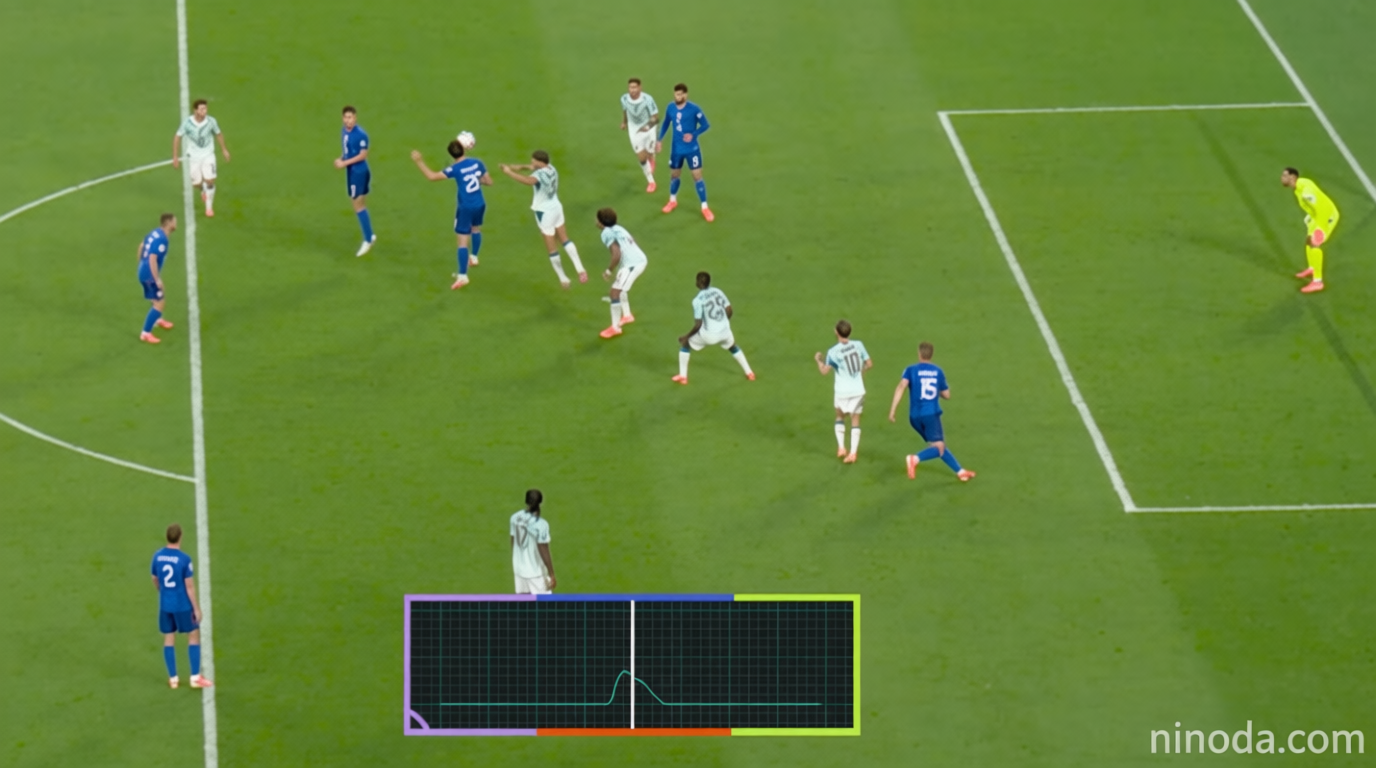
Croatia’s hopes of levelling the match were dashed by the use of Snicko technology, borrowed from cricket. The system, which detects ball contact, confirmed that Igor Matanovic had touched the ball, rendering the goal offside. This ruling abruptly ended Croatia’s celebrations, leaving their 40-year-old captain Luka Modric seemingly out of the running for further World Cup glory.
“I will not comment much about it but I will say the refereeing was very bad,” said Croatia’s Zlatko Dalic. “No fouls, no set-pieces on our side which should have been but that’s no reason to talk about the defeat. It was very bad refereeing. You were able to see to what extent emotions had been killed and, altogether all these decisions take you back and actually take the joy out of football. VAR kills emotions, it kills everything within you. We have gone too far with VAR.”
How Snicko Transformed Football’s Decision-Making
While Snicko is traditionally linked to cricket, football has integrated similar technology this year. The Trionda match ball, equipped with a microchip by Adidas, tracks every touch of the ball, transmitting real-time data to video assistant referees. This innovation allowed for precise analysis of Matanovic’s contact, which was pivotal in overturning Croatia’s goal. The technology was also used in Sweden’s match against Tunisia, where it helped validate a controversial offside call.
FIFA clarified the decision shortly after, confirming that Matanovic had indeed touched the ball. This marks a significant shift in how goals are reviewed, as the system now provides irrefutable evidence of ball movement. The 2022 World Cup and 2024 European Championship had already seen such technology in action, but this moment underscored its impact on high-stakes matches.
Emotional Aftermath and Manager Reactions
Portugal’s triumph over Croatia was celebrated with a mix of relief and emotion, as players paid tribute to the team’s resilience. Manager Roberto Martinez defended the VAR decision, stating, “It’s a shame one of the two teams had to lose, but there is no bad decision or lucky decision. It was a clear moment. The balls now have a chip and the sensor shows the ball was touched.”
“That surge of emotion of a last-second equaliser and then it’s whisked away from you,” remarked former England defender Matt Upson. “Has he definitely touched that? We’re looking at a replay here. Can we guarantee he glances that? The spin on the ball doesn’t change, that’s all I know. I don’t think he touches that ball. That’s the first angle I’ve seen of that and I’m not convinced he touches that ball at all.”
Upson’s doubts lingered even after the match, as he noted, “From what I can see, I don’t see any change in direction of the ball.” This moment highlighted the tension between technological precision and the human element of football, as the decision lingered in the minds of fans and analysts alike.