Eight of the 10 most populous countries are not in the World Cup

Eight of the 10 Most Populous Countries Are Not in the World Cup
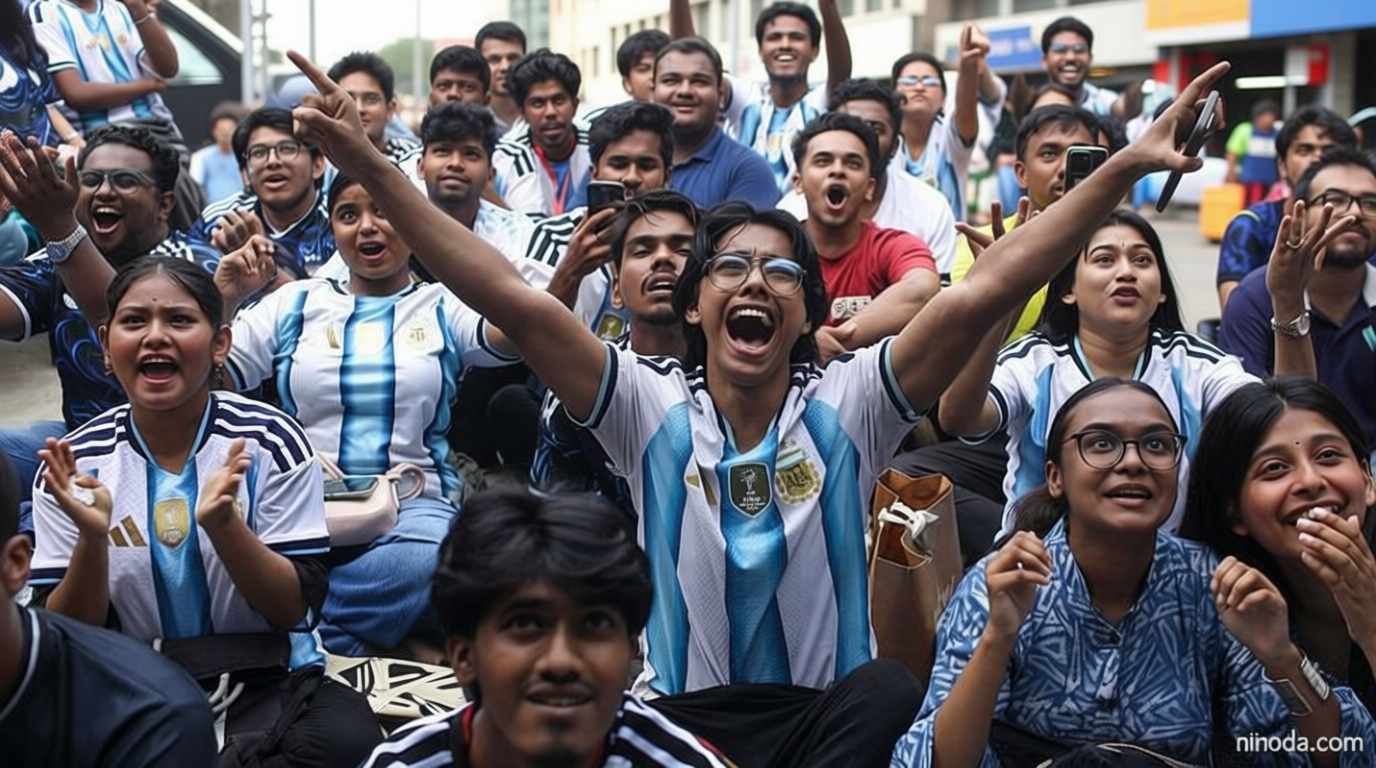
Ninoda.com – The 2026 FIFA World Cup will see a surprising absence of many of the world’s most populous nations. While eight out of the top ten countries by population are not competing, the tournament will feature teams from Brazil, the United States, and other nations with smaller populations. This disparity underscores the complex relationship between a country’s population size and its ability to produce world-class football talent. Despite boasting millions of fans and potential players, countries like India, Indonesia, Pakistan, Bangladesh, and Ethiopia remain on the sidelines, raising questions about the factors that determine global football success.
The Top Ten Nations Missing the World Cup
India, the second-largest country by population, and its neighbors Indonesia, Pakistan, and Bangladesh have all failed to qualify for the 2026 World Cup. Ethiopia, though not among the top ten, is another country with a large population struggling to break into international football. Only Brazil and the United States, both with populations exceeding 200 million, have secured spots. Russia, Nigeria, and China also make the list, with the latter qualifying for the 1950 World Cup in Brazil but withdrawing before the competition began. This pattern suggests that while population size can provide a talent pool, it is not the sole determinant of success in the sport.
“It’s simply unacceptable that a country with millions of football fans should lag so far behind in football,” remarked Audite Karim, a well-known Bangladeshi actor, writer, and sports enthusiast, speaking to the BBC. “We have the passion, but we lack the systems and support to nurture it into global competition.”
Stefan Szymanski, a British economist and academic, explains that population size alone doesn’t guarantee footballing success. While larger populations offer more potential athletes, success depends on wealth, infrastructure, and expertise. In his book *Soccernomics*, co-authored with Simon Kuper, Szymanski highlights that nations typically need an average income of around $15,000 per capita to compete effectively. Brazil and Argentina, which have historically dominated the World Cup, challenge this notion. Both countries have lower per capita incomes but have produced legendary teams, winning eight titles collectively. This demonstrates that footballing prowess is not solely linked to economic size.
Factors Behind the Gap in Footballing Success
Historical development plays a crucial role in a nation’s footballing trajectory. Uruguay, for example, stands out as an exception with its small population of just 3.5 million. The country’s football legacy began in 1902, 12 years before Brazil’s debut, giving it a head start in building expertise. This early foundation allowed Uruguay to claim two World Cup victories, despite its modest size. In contrast, many African and South Asian countries, where football developed later, face greater challenges. Morocco’s historic semi-final run in 2022 and South Korea’s impressive fourth-place finish in 2002 as co-hosts show that progress is possible, but it requires sustained investment and cultural emphasis.
For countries like India, Indonesia, and Pakistan, the gap is partly due to limited infrastructure and a lack of consistent development programs. Szymanski notes that even with increased investment, these nations may struggle without decades of accumulated know-how. For instance, Brazil’s success stems from its long-standing football culture, which includes grassroots programs, professional leagues, and a deep connection between the sport and national identity. Meanwhile, countries with smaller populations, such as Uruguay and Portugal, have leveraged focused strategies to excel. This highlights the importance of not just having a large population but also fostering an environment where football can thrive.
The absence of eight of the 10 most populous countries from the World Cup also reflects disparities in access to training, coaching, and facilities. While nations like Brazil and the US benefit from well-established football academies and high-quality leagues, others lack the same resources. Additionally, cultural preferences for other sports, such as cricket in India or rugby in South Africa, may divert attention and investment from football. However, the growing popularity of football in these regions, particularly among younger generations, offers hope for future breakthroughs. As more countries invest in grassroots initiatives, the potential for a shift in this demographic gap may become more tangible.