Mexico return luxury watches gifted by YouTuber

Mexico Return Luxury Watches Gifted by YouTuber
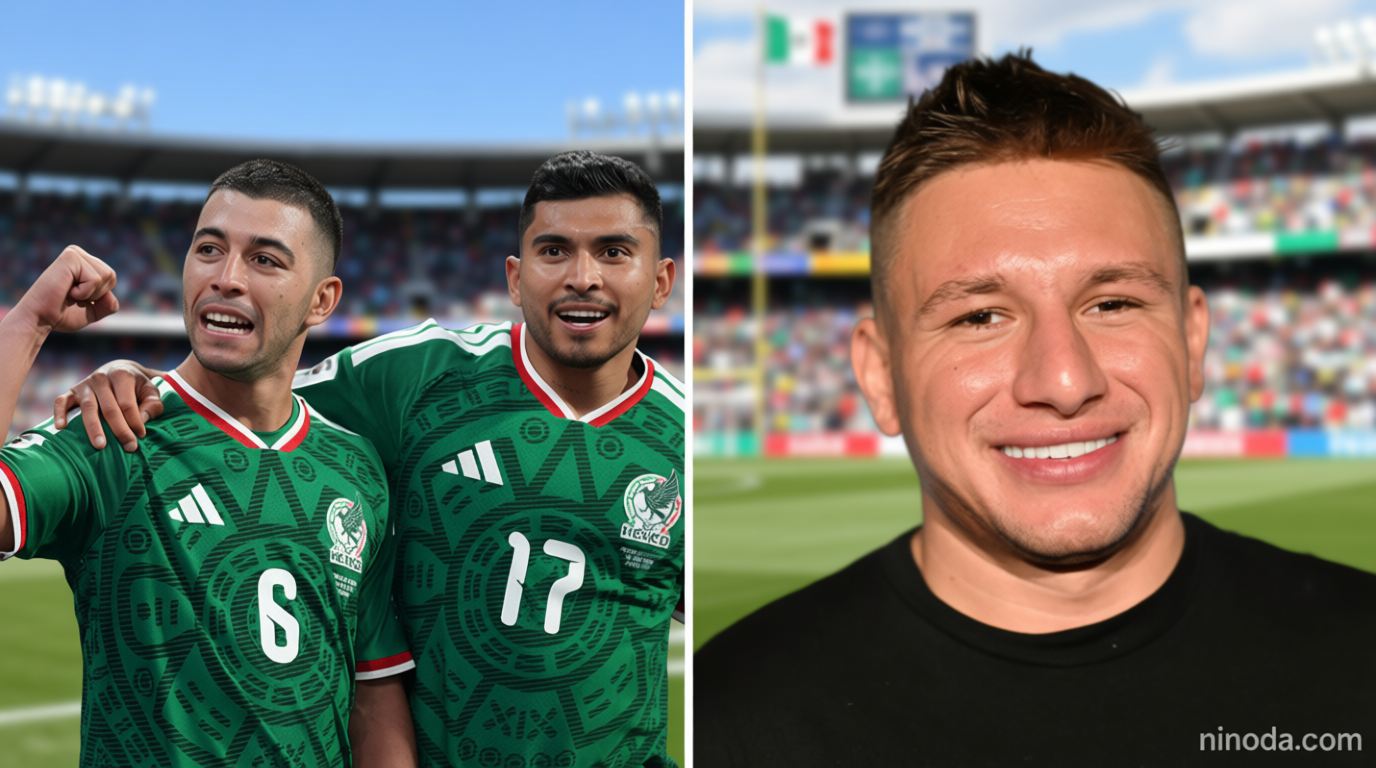
Ninoda.com – In a recent decision, Mexico’s national football team has returned luxury watches gifted by a prominent YouTuber, Stephen Deleonardis, as part of their commitment to maintaining ethical standards. The American content creator, known online as Stevewilldoit, had presented the squad and staff members with a collection of Rolex watches valued at a total of $1 million. This gesture, made just days before Mexico’s crucial 2-1 victory over Ecuador in the World Cup last-16 stage, has now come under review due to concerns about the value and transparency of the gifts. The return of the watches underscores the team’s efforts to align with FIFA’s ethical guidelines, which emphasize the importance of impartiality in sports.
Gifts and Ethical Standards
FIFA’s Code of Ethics mandates that gifts accepted by athletes or officials must hold “symbolic or trivial value” to avoid perceived conflicts of interest. The Mexico team’s X account confirmed that the watches were returned “by mutual agreement,” highlighting that Stevewilldoit had offered them “on his own initiative.” While the gesture was initially intended to express goodwill, the high value of the watches has raised questions about the team’s adherence to the rules. This decision reflects a growing awareness among football governing bodies of the need to prevent excessive sponsorships from influencing match outcomes.
The luxury timepieces, which were likely given as a token of appreciation for the team’s recent successes, now serve as a case study in ethical dilemmas faced by modern sports teams. With the rise of social media influencers and their ability to reach global audiences, such gestures have become more common. However, their impact on the integrity of the game remains a topic of debate. The Mexico team’s choice to return the watches demonstrates a proactive approach to upholding FIFA’s standards, even in the face of potential criticism from fans or sponsors.
Context of the Tournament and Future Implications
The return of the watches occurs as Mexico prepares for a pivotal match against England in the Azteca Stadium, Mexico City, on Sunday evening local time. This game is not only a chance to advance to the quarter-finals for the first time since the 1986 World Cup but also a significant moment in the 2026 World Cup’s expanded format, which will feature 48 teams. The decision to return the gifts may have influenced the players’ mindset, as they seek to focus on the match without any potential distractions.
“The Mexico players decided to return the watches as a shared decision,” said the team’s X account. “The gift was made voluntarily by Stevewilldoit.”
By taking this step, the team aims to set a precedent for future interactions with sponsors and fans. The ethical guidelines now serve as a reminder that even seemingly generous gestures can carry implications for the sport’s fairness. This move may also bolster fan trust, as it shows the team’s willingness to prioritize transparency over financial gain. However, it raises questions about the role of YouTubers in the sports industry and the boundaries of their influence.
Meanwhile, the incident has sparked discussions about the evolving relationship between football teams and digital influencers. Stevewilldoit, whose channel has amassed millions of followers, has become a key player in the marketing of sports events. The return of the watches could be seen as a balancing act between leveraging such partnerships and ensuring they do not compromise the spirit of competition. As the 2026 World Cup progresses, this decision may influence how other teams handle similar situations in the future.
Public reaction to the return of the luxury watches has been mixed. While some fans appreciate the team’s ethical stance, others argue that the gesture was a legitimate way to celebrate Mexico’s achievements. The X account’s statement that the gifts were “mutual” and “voluntary” attempts to address concerns, but the act of returning them has already drawn attention to the broader issue of gift-giving in football. With the tournament’s expansion, the pressure on teams to secure sponsorships and endorsements has increased, making such decisions more critical than ever.