
Evacuations in Guam as super typhoon Bavi approaches

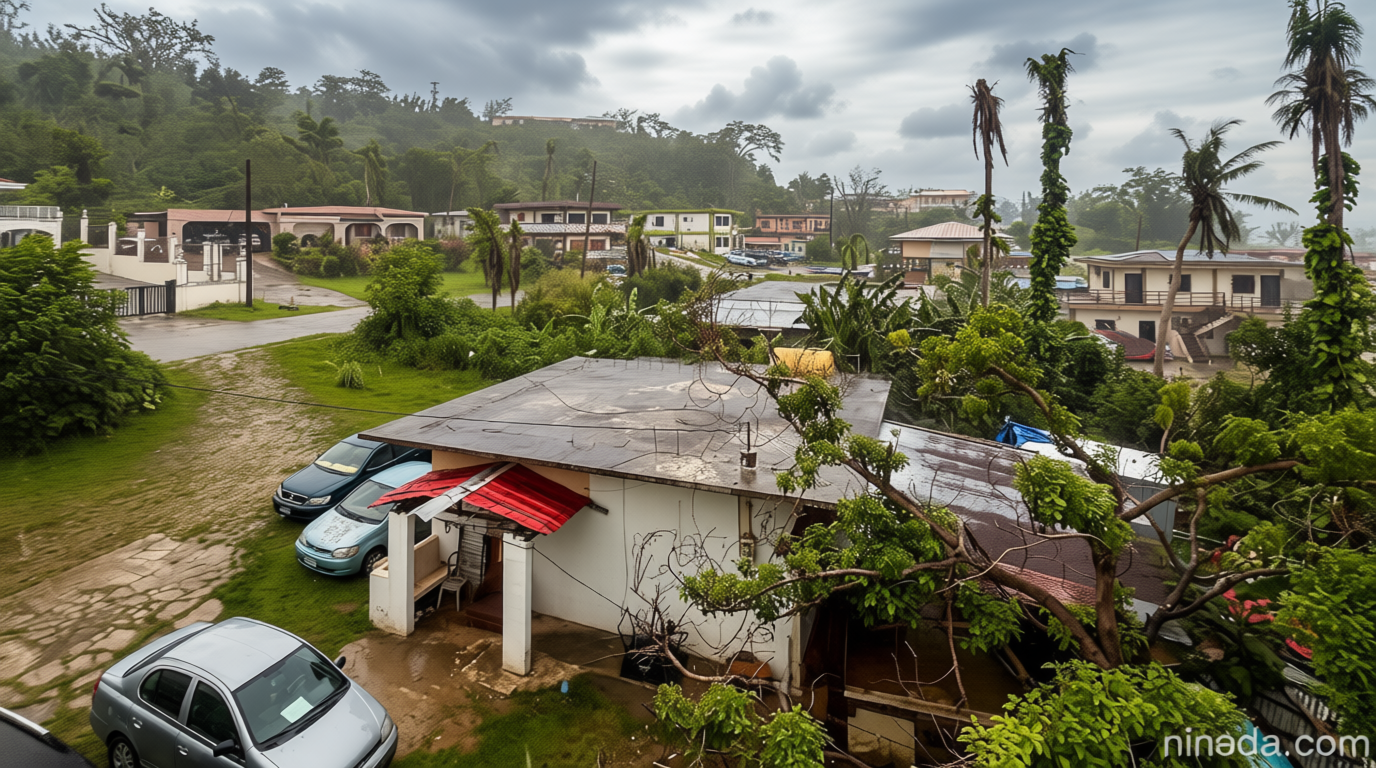
Evacuations in Guam as super typhoon Bavi approaches
Ninoda.com – As super typhoon Bavi looms over the Pacific, residents of Guam and the Northern Mariana Islands are bracing for the worst. With winds expected to exceed 257km/h (160mph) by Monday morning, authorities have launched urgent evacuation efforts. The US National Weather Service (NWS) has issued severe warnings, highlighting the storm’s potential to unleash “catastrophic” impacts, including devastating floods, waves towering over 11m (35ft), and widespread power outages. Evacuations in Guam as super typhoon Bavi approaches are not just a precaution—they are a lifeline for those in vulnerable areas, as the island prepares for what could be one of the most intense storms in recent memory.
Super Typhoon Bavi: A Monster on the Horizon
Bavi, the latest super typhoon to threaten the region, has been classified by the Joint Typhoon Warning Center (JTWC) as a Category 5 storm, with sustained winds of 150 knots (173mph) and gusts potentially reaching 180 knots (207mph). This classification is rare in the western Pacific, where tropical cyclones are typically weaker than their Atlantic counterparts. However, the combination of warm ocean temperatures and atmospheric conditions has created a perfect storm for Bavi’s rapid intensification. Evacuations in Guam as super typhoon Bavi approaches are now a central focus of the emergency response, as the island’s infrastructure faces unprecedented stress from the weather system’s strength.
“I cannot afford to lose so many days. It hurts,” said Pinky Cubacub, 55, as she secured her eatery with plywood costing $500 (£373). The restaurant worker explained that her current earnings cover rent, utilities, and supplies, with no salary for herself yet. For many locals, the cost of preparing for Bavi adds to the pressure, especially as evacuations in Guam as super typhoon Bavi approaches mean leaving behind homes and businesses for uncertain periods.”
Meanwhile, Japanese tourist Miku Sakurai, 25, shared her concerns with AFP, noting that her flight back to Tokyo had been canceled. “We will stay in the hotel when the storm comes. I am scared,” she admitted. Her fear reflects the broader anxiety gripping the island, where families are gathering supplies and securing their properties against the impending onslaught.
The NWS has projected that destructive conditions will persist for eight to 10 hours before or after Bavi’s center makes landfall, a timeline that has heightened the urgency of evacuations in Guam as super typhoon Bavi approaches. With the storm set to pass directly over the island by Monday afternoon, experts warn of catastrophic flooding, landslides, and infrastructure damage. The situation is compounded by the fact that Bavi is expected to intensify further as it moves through the region, driven by the warming ocean temperatures linked to climate change.
Guam, a popular tourist destination with a population of roughly 170,000, has activated five shelter sites in schools and community centers to accommodate those at risk. These facilities, capable of housing up to 1,700 individuals, are a critical part of the evacuation strategy. However, the demand for shelter has already exceeded expectations, with one location reaching full capacity. Officials are working tirelessly to coordinate the relocation of evacuees, emphasizing the need for swift action as the storm’s arrival is imminent. Evacuations in Guam as super typhoon Bavi approaches are also affecting the island’s economy, with businesses forced to close and tourism disrupted.
Climate Change and the Rising Threat
Scientists have long pointed to climate change as a key factor in the increasing frequency and intensity of super typhoons like Bavi. Warmer sea surface temperatures and increased atmospheric moisture are fueling these storms, making them more destructive than in previous decades. The NWS has warned that the conditions surrounding Bavi are unusually favorable, allowing it to grow stronger as it moves toward the island. This trend is not new—Guam and the Northern Mariana Islands have already experienced one super typhoon this year, Sinlaku, which claimed 17 lives and caused approximately $1.5bn (£1.1bn) in damage. Bavi will mark the 11th category four or five cyclone to hit US territory in the past decade, surpassing the total recorded in the preceding 57 years.
Evacuations in Guam as super typhoon Bavi approaches are also being influenced by the island’s geography. Located in the western Pacific, Guam is particularly vulnerable to typhoons due to its small size, low-lying terrain, and proximity to the ocean. The civil defence office reported on Sunday that the situation is evolving rapidly, with emergency shelters being used at an increased rate. Local officials are urging residents to stay informed through regular updates, as the storm’s path remains a key concern. With Bavi expected to make landfall by Monday morning, the focus is now on ensuring that all at-risk individuals are safely relocated before the storm arrives.