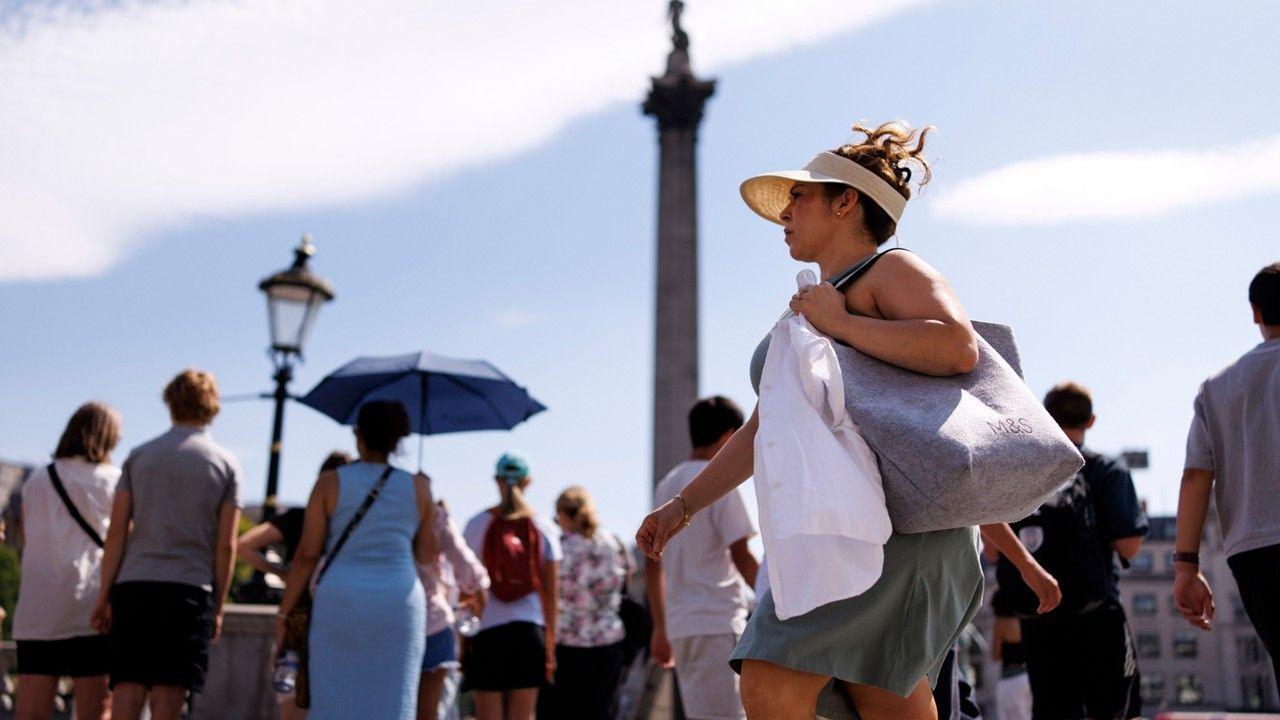
UK’s third heatwave of the year begins – but how will it be different?

UK’s Third Heatwave of the Year Begins – But How Will It Be Different?
Ninoda.com – The UK is now facing its third heatwave of the year, with forecasters predicting a prolonged period of elevated temperatures that could surpass the brief intensity of earlier events. While the nation’s second heatwave in June reached a peak of 37.7°C, this current wave is expected to extend over several days, affecting a broader range of regions. Although the highest temperatures may not reach the same extreme, the duration and regional distribution of the heat could have distinct implications for public health, energy demand, and daily life. The UK Health Security Agency (UKHSA) has issued yellow heat-health alerts for the Midlands and southern England, signaling a potential shift in the nature of these heat events as the country navigates an increasingly variable climate.
Duration and Regional Variations
This year’s third heatwave is anticipated to last longer than its predecessors, with temperatures in the UK’s southern and eastern areas projected to remain above 30°C for up to 10 consecutive days. The extended timeline raises concerns for those with chronic health conditions, as the cumulative effect of sustained warmth could strain healthcare systems more than the sporadic spikes of previous months. In contrast to the record-breaking June heatwave, which was characterized by sudden and intense temperatures, this wave is likely to unfold more gradually, with gradual temperature increases across the country. The weather patterns suggest that the Midlands, East Anglia, and south-east England may experience the most sustained heat, while northern regions could see milder conditions interspersed with cloud cover and rain.
Met Office data highlights a key difference between the current heatwave and the June event. While the June wave saw seven consecutive days of temperatures exceeding 30°C, this one may exceed that record, with the potential for a longer stretch of extreme heat. However, the humidity levels are expected to be lower, which could mitigate some of the discomfort experienced during the June heatwave. This variation in atmospheric conditions may have significant implications for how the public and authorities respond to the heat, as lower humidity could reduce the risk of heat-related illnesses in certain areas.
Comparing Heatwave Impacts
The contrast between the June heatwave and this new event is not only in duration but also in their societal effects. The June wave, with its rapid escalation, led to immediate challenges, including record-breaking temperatures and a surge in heat-related hospital admissions. In contrast, the current heatwave’s slower build-up may allow more time for preparation, though its prolonged nature could test the resilience of both infrastructure and individuals. For example, the UKHSA has emphasized that while the system may not face the same immediate pressure as in June, the sustained heat could lead to long-term issues, such as increased electricity usage for cooling and potential disruptions to transport networks.
Additionally, the current heatwave’s regional spread may require localized responses. While the southern and eastern parts of the UK are expected to see the highest temperatures, the north could serve as a buffer zone with milder conditions. This variation is important for communities and authorities to consider when planning for the event. The Met Office has also noted that the current wave might have a different impact on wildlife and ecosystems, as prolonged heat could stress water sources and affect agricultural productivity in areas not accustomed to such prolonged warmth.
European Heatwave Context
As the UK experiences its third heatwave of the year, similar conditions are emerging across much of Europe. Portugal and southwest Spain have already reported temperatures nearing 40°C, with Porto reaching a weekend high of 40.1°C—just short of its all-time record. The heat is spreading northward into France, where Meteo-France has warned of extreme temperatures that could exceed 40°C in the southern regions. Meanwhile, northern Italy is also seeing warmer-than-average conditions, though the humidity levels here are less severe than those observed during the UK’s June heatwave, which contributed to a heightened risk of wildfires and heat-related emergencies.
The European heatwave underscores the interconnected nature of weather patterns, as the UK’s third heatwave aligns with broader trends of warming temperatures across the continent. France, for instance, recorded 2,025 excess deaths during its recent heatwave, highlighting the potential for severe health impacts in regions unaccustomed to such prolonged periods of extreme heat. While the UK’s current event may not match the June peak in intensity, its extended duration and geographic spread could lead to similar challenges, particularly in vulnerable communities and areas with limited cooling infrastructure.
Experts are also noting that the UK’s third heatwave comes in the context of a warmer-than-usual summer. The country has already experienced two heatwaves, each contributing to a rise in average temperatures. This trend may signal a shift in the UK’s climate, with more frequent and longer-lasting heat events becoming the norm. The Met Office has warned that such conditions are likely to continue, urging residents to take precautions, especially as the heatwave is expected to last until late July.