How England used five mini games to beat Mexico

How England Used Five Mini Games to Beat Mexico
Ninoda.com – In a thrilling World Cup clash, England demonstrated their tactical ingenuity by employing a strategy of five distinct mini games to outwit Mexico and secure a crucial victory. This approach, masterfully orchestrated by manager Thomas Tuchel, transformed the match into a series of short, focused encounters rather than a single continuous battle. The result was a display of adaptability and precision that not only highlighted England’s readiness to progress in the tournament but also underscored the effectiveness of breaking down a high-stakes game into manageable segments. By mastering each mini game, the team was able to neutralize Mexico’s strengths and exploit their weaknesses, ultimately leading to a decisive win in the Round of 16.
Breaking the Match into Strategic Phases
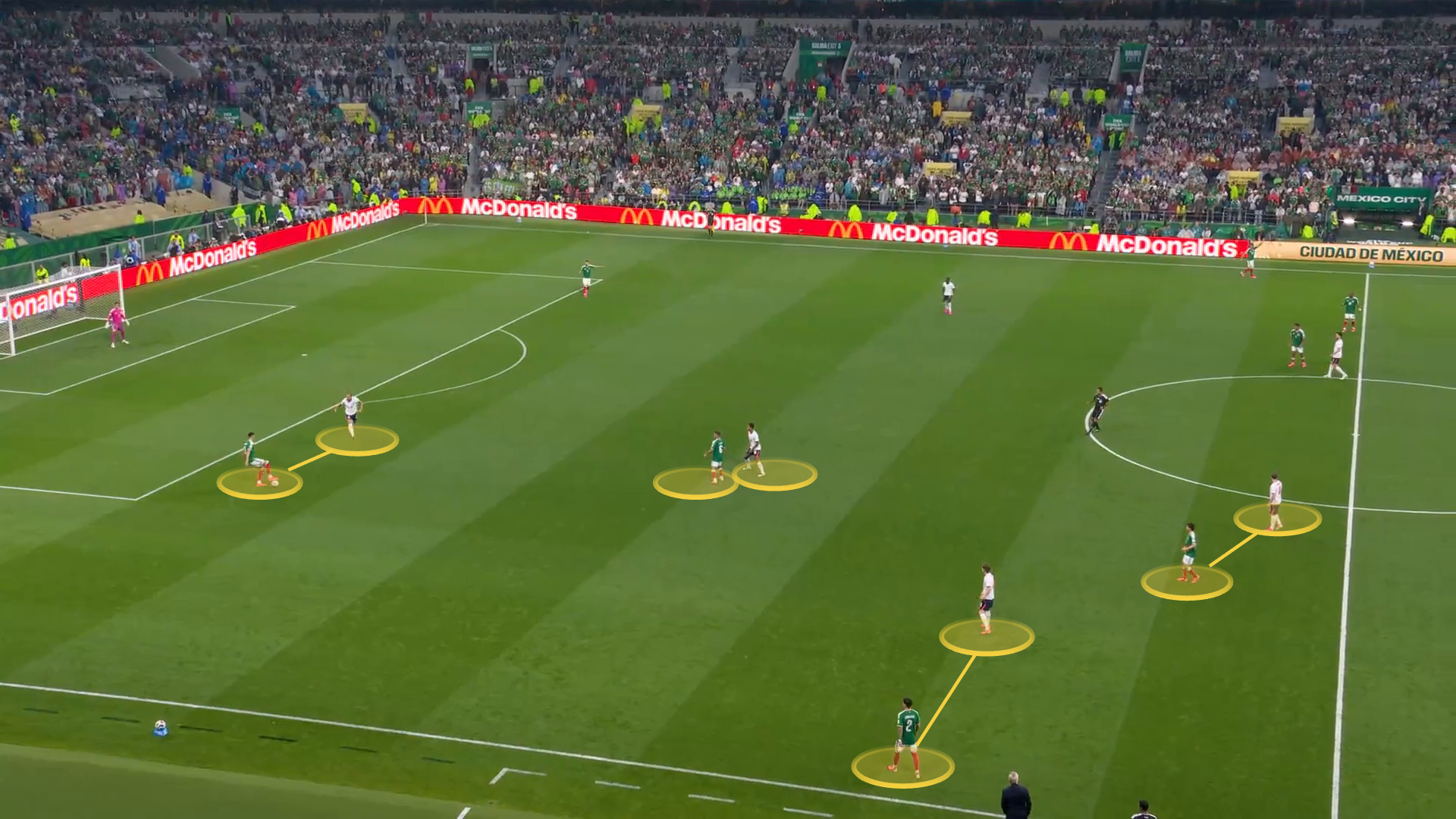
England’s success hinged on their ability to divide the game into five mini games, each with specific objectives. This method allowed the team to respond dynamically to Mexico’s tactics, maintaining control even in the face of aggressive home pressure. Assistant coach Anthony Barry noted that the first half was designed to be a defensive test, with the team prioritizing containment over attack. “We anticipated the first half would be tough,” he explained. “Mexico starts quickly, so we focused on maintaining a 0-0 scoreline until the break.” This plan was executed flawlessly, as England’s midfielders, including Elliot Anderson, adopted a more compact formation to disrupt Mexico’s outlet passes.
The second mini game, played in the early minutes of the second half, shifted the balance of power. England’s players began to push forward, creating opportunities to exploit the Mexican defense. By doing so, they not only tested the hosts’ ability to adapt but also set the stage for a more aggressive phase. The third mini game saw England’s pressing intensity increase, with players like Harry Kane and Jude Bellingham acting as key disruptors. This phase was critical in cutting off Mexico’s attacking options, forcing the team to make rapid adjustments to their positioning.
Throughout the match, the five mini games were interspersed with moments of resilience and calculated risk-taking. England’s fourth mini game involved a more fluid attack, leveraging their superior technical ability to outmaneuver Mexico’s high-energy defense. The final mini game was a showcase of precision, as the team capitalized on their earlier preparations to deliver a decisive blow. By framing the game in this way, Tuchel ensured that each phase was tailored to England’s strengths while exploiting Mexico’s vulnerabilities at every turn.
Key Moments and Player Contributions
Mexico’s early rotations exposed critical weaknesses in their setup. A 17-year-old defender, Gilberto Mora, found himself on the left flank despite his usual responsibilities on the right. This misalignment was exploited by England’s goalkeeper, Jordan Pickford, who intercepted a crucial pass and allowed Declan Rice to advance. The resulting cross was headed home by Jude Bellingham, securing the opening goal. This moment exemplified how England’s five mini games strategy allowed them to take control of key transitions, turning defensive stands into offensive opportunities.
As the match progressed, England’s second-half adjustments proved pivotal. The team introduced a third high-pressing player, with Anthony Gordon and Bukayo Saka rotating to apply sustained pressure on Mexico’s defense. This bold move, while risky, created a chaotic environment that led to England doubling their lead. A notable moment came when Jude Bellingham chased down Mexico’s goalkeeper, Raul Rangel, in a late surge. Though less strategic than earlier phases, this action demonstrated the team’s commitment to maintaining dominance throughout the five mini games.
England’s ability to adapt to Mexico’s movements was a defining factor in their victory. By strategically positioning players and adjusting their approach, they managed to neutralize the hosts’ strengths. For instance, during the third mini game, the team’s midfielders shifted to counter Mexico’s high-intensity pressing, ensuring that the defense remained solid. The fourth mini game involved a more patient buildup, allowing England to create space and deliver accurate crosses. This phased strategy, combined with precise execution, highlighted Tuchel’s mastery in knockout football and England’s readiness to progress in the tournament.
Ultimately, the five mini games strategy allowed England to secure their place in the quarter-finals with a well-earned win. The tactical flexibility displayed throughout the match was a testament to Tuchel’s coaching acumen, as he orchestrated a game plan that maximized England’s strengths while minimizing Mexico’s impact. The result was a hard-fought victory that showcased the team’s ability to thrive under pressure and adapt to changing circumstances. This approach not only secured their advancement but also set a new standard for strategic play in high-stakes international competitions.