Why European backlash over Trump intervention won’t worry Infantino

Why European backlash over Trump intervention won’t worry Infantino
Ninoda.com – As FIFA President Gianni Infantino prepares for his re-election bid, the European football community’s growing frustration with U.S. President Donald Trump’s involvement in the sport’s decisions has become a focal point of discussion. The recent controversy surrounding the red card suspension of U.S. player Folarin Balogun during the World Cup last-16 clash against Belgium has intensified this backlash. Despite the initial ruling, Trump’s intervention led to the reversal of the decision, leaving European officials questioning the impartiality of the process. The situation has sparked a debate about how political influence might shape football governance, particularly as Infantino defends his leadership against accusations of favoritism.
The Balogun Case: A Catalyst for Concern
The Balogun incident, which saw the 22-year-old defender sent off for a reckless challenge but later allowed to continue playing, has drawn sharp criticism from European football representatives. While FIFA’s disciplinary committee initially ruled against Balogun, the decision was overturned after Trump’s request for a review, a move that has been perceived as an overreach of executive power into on-field decisions. European officials argue that such interventions undermine the integrity of the game, as the rules governing suspensions should be applied consistently, regardless of political connections.
Trump himself has defended his actions, claiming he merely asked for a second opinion and did not dictate the outcome. “I’m the one that got them to do it,” he said, emphasizing that his role was to request a review rather than enforce a decision. However, critics counter that the timing and proximity of Trump’s influence—particularly his presence in the FIFA leadership—suggest a more direct hand in the reversal. This has raised questions about whether the organization is prioritizing political alliances over sporting fairness, especially in high-stakes tournaments like the World Cup.
FIFA’s Neutrality Rules and the Peace Prize Controversy
FIFA’s statutes were designed to ensure that political interference remains minimal in its decision-making processes. Yet, the awarding of the Peace Prize to Donald Trump during the World Cup draw has already tested these rules. Infantino presented the honor to the U.S. president, highlighting the importance of cross-border cooperation. “You can always count, Mr President, on my support, on the support of the entire football community to help you make peace and make the world prosper all over the world,” he said. While the Peace Prize was intended as a gesture of goodwill, European football officials have raised eyebrows, noting that the award’s timing and context have amplified concerns about Trump’s role in the sport.
Human rights group FairSquare has criticized the Peace Prize as an example of FIFA’s potential bias. The group argues that the prize’s creation contradicts the organization’s neutrality principles, particularly given Trump’s well-documented stance on global issues. Though FairSquare’s complaints were initially dismissed, the Balogun case has reignited scrutiny of FIFA’s adherence to these rules. The decision to reverse the suspension, reportedly made by a small inner circle rather than the broader FIFA Council, has further fueled doubts about the transparency of the process.
Political Influence in Football: A Pattern or Anomaly?
While the Balogun incident has taken center stage, it is part of a broader trend of political influence in football administration. Trump’s involvement in the Balogun case follows similar controversies, such as the denial of access to U.S. soil for Somali referee Omar Artan, which led to accusations of Infantino losing control over the organization. These instances suggest that political considerations may occasionally outweigh sporting judgment, even as Infantino insists on maintaining FIFA’s independence.
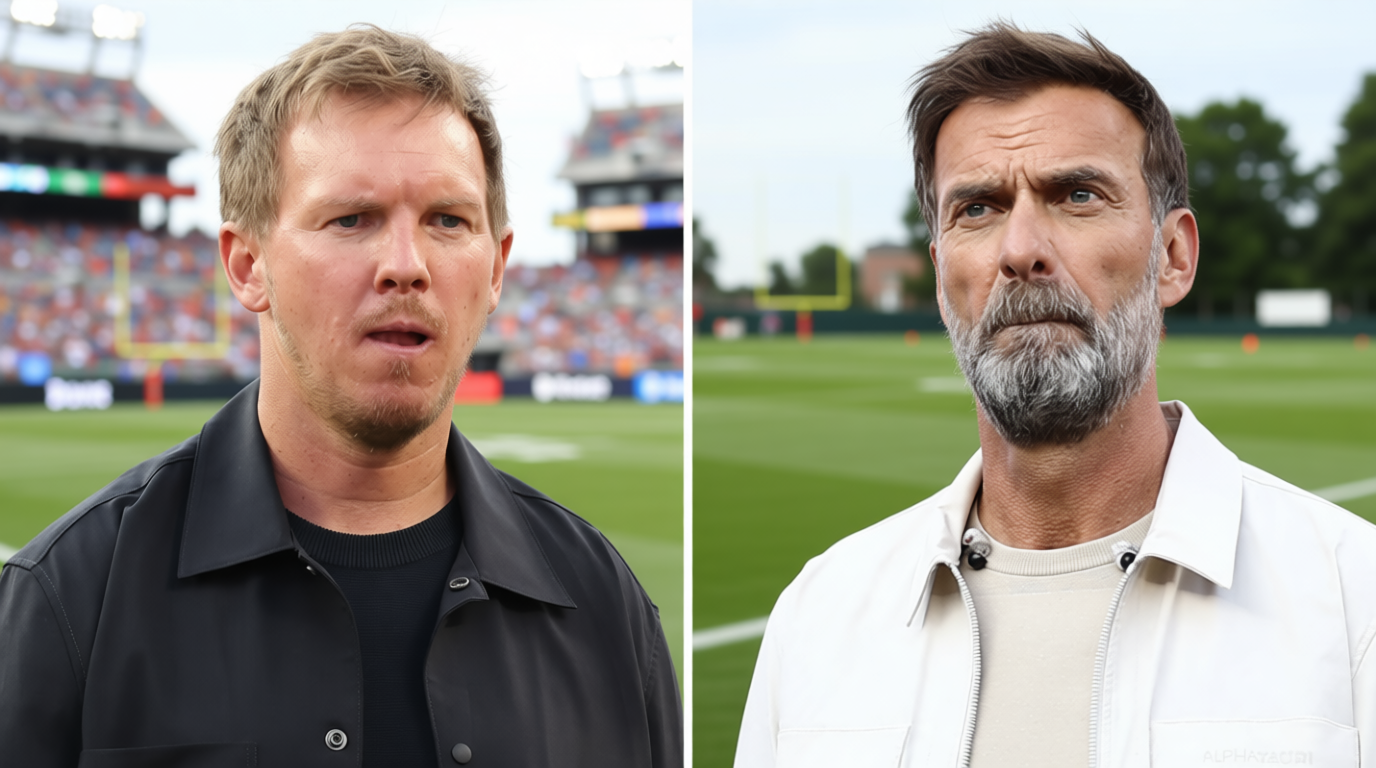
European football leaders, including former Liverpool manager Jurgen Klopp, have voiced their skepticism about the implications of Trump’s intervention. “If Donald Trump and Gianni Infantino really sorted this out between themselves, it is madness; it calls everything into question,” Klopp remarked, underscoring the perception that the decision reflects a lack of impartiality. Such criticisms highlight the growing divide between the U.S. and European approaches to football governance, with the latter prioritizing strict adherence to rules while the former embraces a more flexible, politically aligned model.
Despite the European backlash, Infantino’s supporters argue that the decision was made in line with FIFA’s existing procedures. They point to the organization’s ability to swiftly review cases, even in the absence of clear explanations for the reversal. This has sparked a discussion about the efficiency of FIFA’s decision-making, with some suggesting that the process is designed to accommodate political input in order to maintain stability in international competitions. However, the lack of transparency surrounding the Balogun case has left many questioning whether this efficiency comes at the cost of fairness.
Global Reactions and the Path Forward
As the World Cup progresses, the fallout from the Balogun decision continues to ripple through the football world. European officials, who have long advocated for a more democratic FIFA structure, are calling for greater oversight of political interventions. Meanwhile, the U.S. remains a strong advocate for Trump’s influence, citing his ability to rally support and streamline decision-making. This tension is likely to shape the upcoming FIFA elections, with political alignment becoming a key factor in the voting process.
For now, Infantino appears unfazed by the criticism, emphasizing his commitment to FIFA’s vision of global football unity. He has framed the Balogun case as an example of how political connections can foster cooperation, even in the face of controversy. As the World Cup reaches its final stages, the outcome of this debate may determine the future direction of the organization—and the extent to which political influence can shape the sport’s governance. With the European backlash over Trump’s intervention continuing, the question remains: will this controversy ultimately undermine Infantino’s leadership or strengthen his position as a unifying force in world football?