Chris Mason: Accusations around Farage leave him looking vulnerable to his rivals

Chris Mason: Funding Controversy Casts Shadow Over Nigel Farage’s Leadership
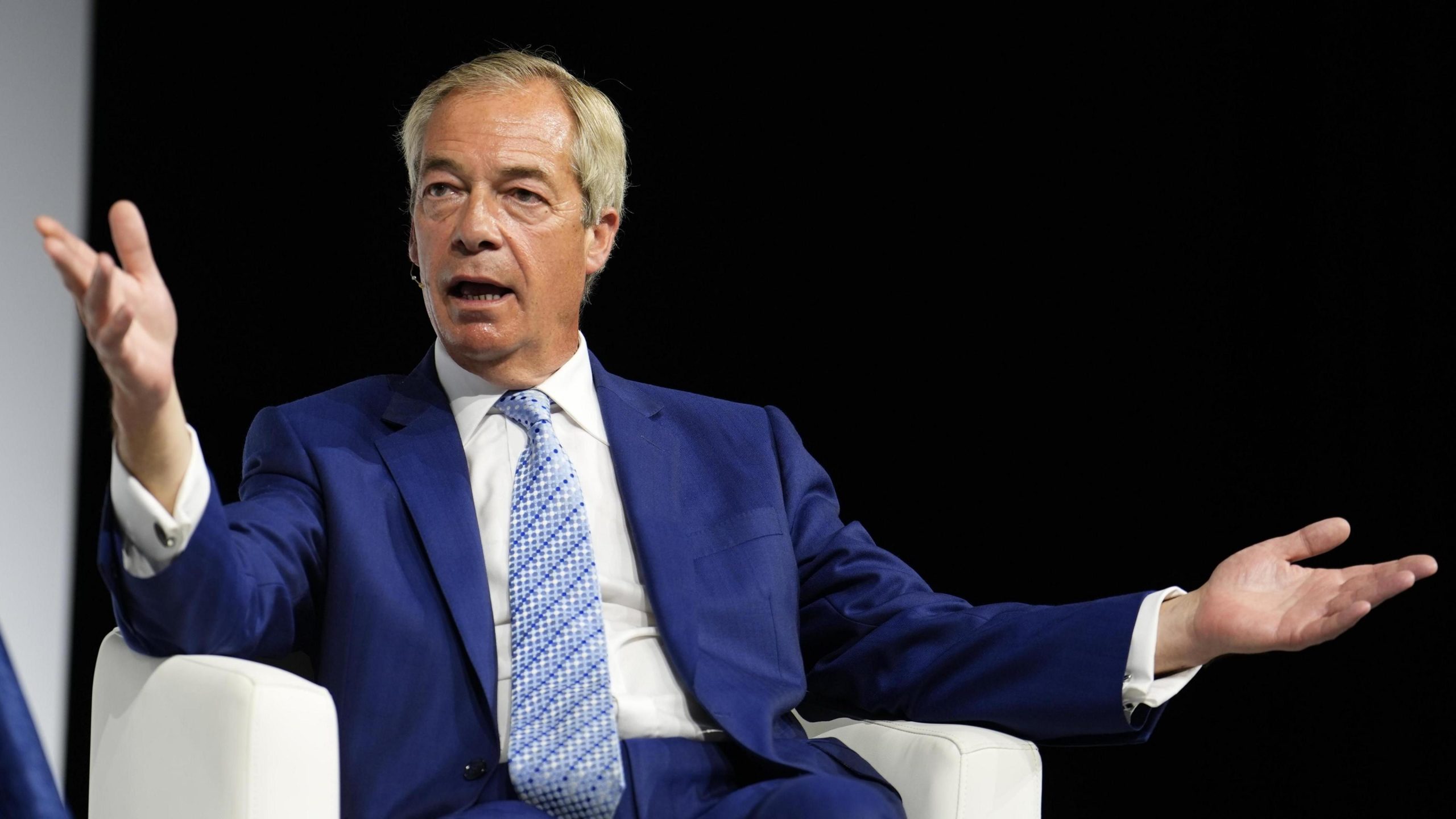
Ninoda.com – Chris Mason, a key figure in Nigel Farage’s political strategy, has found himself at the center of a growing debate over financial transparency and the influence of private funding within Reform UK. The controversy, which has intensified in recent weeks, revolves around allegations of undisclosed donations and their potential impact on the party’s credibility ahead of the general election. With the focus keyword “Chris Mason” embedded in the opening, the discussion underscores how the leader of Reform UK is now being scrutinized for his financial ties, leaving him vulnerable to criticism from rivals and the public.
The £5 Million Gift and Its Implications
At the heart of the allegations is a £5 million donation from Christopher Harborne, a British cryptocurrency investor based in Thailand. This significant contribution, reportedly given to Farage before his election as an MP, has raised eyebrows about the separation between personal wealth and political influence. Harborne claims he intended the gift to cover Farage’s security costs, but critics argue that such a large sum qualifies as a political benefit, especially given Farage’s leadership role in Reform UK. Meanwhile, George Cottrell, another prominent figure linked to the funding, has faced similar scrutiny, with his legal team denying the Sunday Times’ claims about their involvement in supporting Farage’s campaign.
The debate over the donation’s significance has highlighted the broader issue of financial transparency in UK politics. While some defend the gesture as a personal investment, others see it as a potential conflict of interest, particularly when it comes to how such funds are used to bolster political messaging. Chris Mason, as one of Farage’s closest allies, has been accused of enabling these financial connections, drawing attention to the role of private funding in shaping political narratives. This has sparked discussions about whether Reform UK’s financial practices are aligned with the principles of accountability that MPs are expected to uphold.
House of Commons Code of Conduct and Regulatory Scrutiny
The House of Commons Code of Conduct requires MPs to declare financial interests, including gifts and benefits received within 12 months of their election. This rule applies to all new members, unless the benefits are deemed unrelated to parliamentary or political duties, such as personal gifts from family or partners. However, the ambiguity in the code allows for interpretation, and critics argue that Farage’s donations, particularly from crypto-linked individuals, should be classified as political benefits.
With the parliamentary commissioner for standards investigating the matter for nearly two months, the case has taken on greater significance. The outcome could influence how future donations are assessed and whether Reform UK’s financial practices meet the necessary standards for transparency. Chris Mason’s role in facilitating these connections has become a focal point, as the investigation deepens into the party’s financial dealings and the implications for public trust.
Public reaction has been mixed, with some voters questioning whether Farage’s leadership is being undermined by financial ties to private donors. Others argue that the focus on Chris Mason is a distraction from the party’s policy agenda. The controversy has also sparked debates about the balance between political fundraising and accountability, with critics emphasizing the need for stricter rules to prevent the misuse of public funds. As the investigation unfolds, the pressure on Farage to address these concerns is mounting, and his rivals are capitalizing on the opportunity to challenge his leadership.
Political analysts note that the scrutiny of Chris Mason and Farage reflects a broader trend of accountability in UK politics. With voter expectations for transparency rising, the party’s financial practices are now a key battleground. The question remains: does this controversy weaken Farage’s position, or does it reveal the complexity of modern political financing? The answer could have far-reaching consequences for Reform UK’s standing in the upcoming election and its ability to attract public support.
“Chris Mason’s role in the funding saga demonstrates how private donations can shape political outcomes, even in the face of public scrutiny,” said one political commentator. “This is not just about the money—it’s about the perception of influence and who truly holds the power in Reform UK.”
As the debate continues, the focus on Chris Mason serves as a reminder of the challenges faced by political leaders in maintaining public confidence. The issue of financial transparency is now a critical factor in the race for power, and the outcome of the investigation could redefine the party’s approach to fundraising. For Farage, the situation highlights the need to address these concerns head-on, or risk further erosion of his authority in the political arena.