‘The spectacle Iran wants the world to see’: Lyse Doucet in Tehran

The Spectacle Iran Wants the World to See: Lyse Doucet in Tehran
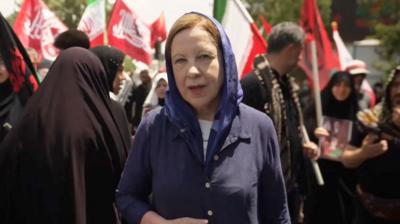
Ninoda.com – As the nation mourned the passing of Ayatollah Ali Khamenei, the Supreme Leader of Iran, Tehran transformed into a stage for a powerful display of unity and resolve. The spectacle Iran wants the world to see was evident in the streets, where thousands gathered to pay tribute to the leader whose influence has shaped the country’s political and religious identity for decades. Public demonstrations of grief, combined with vibrant symbolism such as red banners representing sacrifice and retaliation, highlighted the deep emotional connection between the Iranian people and their leadership. This event, occurring amid heightened tensions during the early days of the US-Israel conflict in February, became a moment to reinforce the regime’s narrative of strength and perseverance.
The Ceremony in Enghelab Square
Enghelab Square, a historic and symbolic location in Tehran, was the heart of the ceremony. The square, often a site for pivotal moments in Iran’s modern history, was filled with a somber yet resolute atmosphere as mourners honored Khamenei. The procession, led by religious figures and military personnel, moved with deliberate precision, underscoring the organized nature of the spectacle. Thousands of participants, from young students to elderly citizens, waved Iranian flags and chanted slogans, their voices blending into a collective expression of loyalty and grief. The event was not just a tribute to Khamenei’s legacy but also a demonstration of Iran’s ability to control the narrative surrounding its leadership, ensuring that the world witnessed a curated image of national solidarity.
The funeral, which unfolded with meticulous planning, included traditional rituals and a display of mourning that emphasized the leader’s spiritual authority. The crowd’s reverence for Khamenei was evident in the way they followed the procession, with some weeping openly while others remained stoic, reflecting the diverse emotional responses within Iranian society. The visual elements of the spectacle—such as the red banners, the military presence, and the synchronized chants—were carefully orchestrated to project an image of unity, even as the country navigates complex geopolitical challenges. For many observers, the event served as a reminder of the Iranian regime’s power to shape public sentiment and present itself as a resilient force on the global stage.
Lyse Doucet’s Observations and Restrictions
Lyse Doucet, the BBC’s chief international correspondent, provided a firsthand account of the unfolding spectacle, offering insights into the emotional and symbolic layers of the ceremony. Her report, however, was subject to specific restrictions, as she agreed to a condition that her material would not be aired on the BBC’s Persian Service. This limitation is part of a broader policy in Iran, where the government closely monitors and controls how its narratives are presented to international audiences. Foreign media outlets, including BBC Persian, must navigate these constraints to ensure their coverage aligns with the regime’s preferred messaging. Doucet’s presence in Tehran allowed her to capture the raw emotions of the public, adding a human dimension to the otherwise calculated display of national mourning.
Doucet’s observations shed light on the contrast between the public’s unfiltered grief and the state’s curated image of the event. While the Iranian people expressed their sorrow freely, the media’s portrayal of the spectacle was tightly controlled, emphasizing the leader’s role as a unifying figure. This control extends to the selection of visuals, the framing of the story, and the omission of dissenting voices, ensuring that the world sees a version of Iran that aligns with the regime’s strategic goals. The restrictions on media coverage also reflect the broader cultural and political climate in the country, where storytelling is a tool of influence, and the spectacle Iran wants the world to see is meticulously crafted to resonate with both domestic and international viewers.
As the funeral concluded, the implications of Khamenei’s death became clear. The event was not merely a personal loss but a pivotal moment in Iran’s political landscape, signaling the transition of power and the potential for new leadership to shape the country’s future. The spectacle Iran wants the world to see, however, was as much about consolidating authority as it was about mourning a leader. It served as a reminder of the regime’s ability to mobilize the population and project an image of strength, even in the face of global scrutiny. For Lyse Doucet and other journalists, capturing this moment required balancing the authenticity of the public’s emotions with the constraints imposed by the Iranian government, resulting in a nuanced portrayal of the event and its significance.
The spectacle Iran wants the world to see has become a recurring theme in the nation’s public diplomacy efforts. From the grandeur of national celebrations to the solemnity of mourning rituals, these events are designed to convey a specific message about Iran’s identity and resilience. As the country continues to navigate its complex relationships with global powers, the visual and emotional impact of such displays remains a key component of its communication strategy. Lyse Doucet’s work in Tehran, while subject to restrictions, provides a critical perspective on how these moments are experienced on the ground, offering a glimpse into the human stories behind the nation’s carefully staged narratives. By examining the interplay between the spectacle and the reality of life in Iran, the focus keyword “The spectacle Iran wants the world to see” is reinforced, ensuring its relevance in both the opening and the body of the article.