Trump confirms he asked Fifa to review Balogun ban

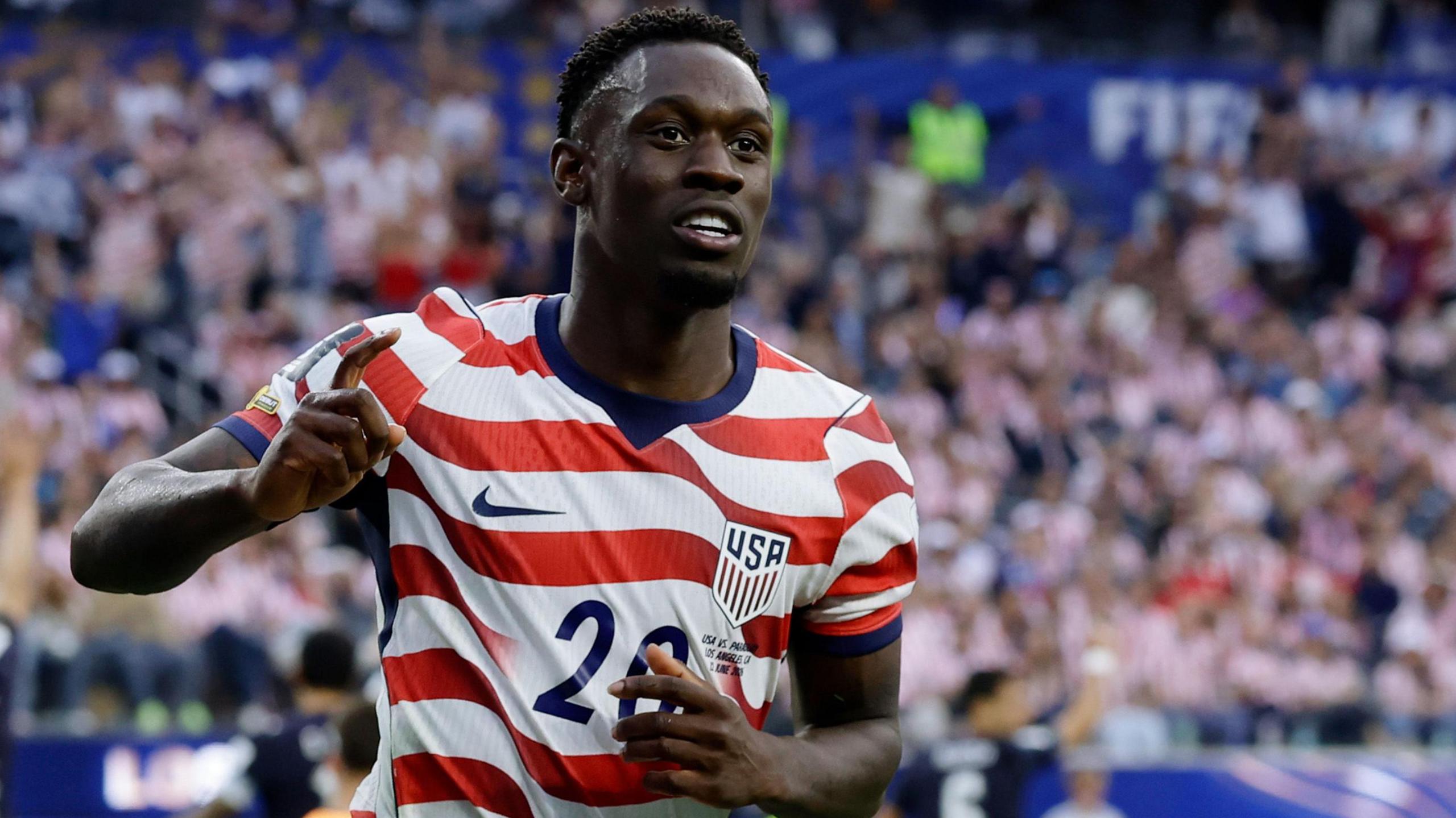
Table of Contents
Trump Confirms He Asked FIFA to Review Balogun Suspension
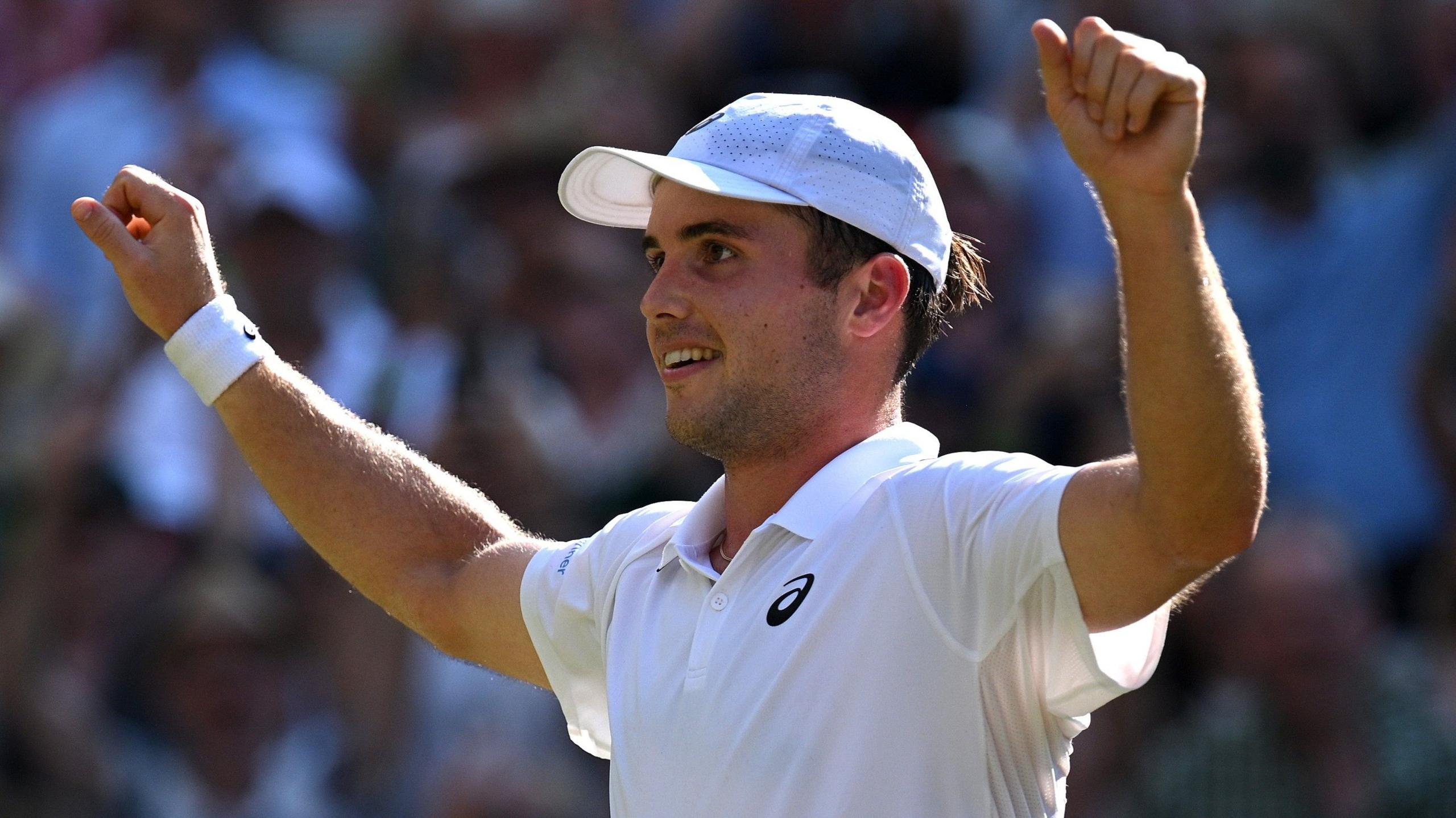
Ninoda.com – President Donald Trump has publicly affirmed that he directed FIFA to reconsider the one-match suspension of U.S. forward Folarin Balogun during the World Cup. The 25-year-old player, who was set to miss his team’s crucial last-16 clash against Belgium following a red card in the previous round, was unexpectedly allowed to participate in the game. This decision, which Trump confirmed, has sparked widespread debate about the fairness of FIFA’s disciplinary process. The White House statement emphasized that Trump’s intervention was a formal request, not an attempt to override FIFA’s authority. This move underscores the growing influence of political figures in high-profile football decisions, raising questions about the separation of sports governance from political influence.
Context of Balogun’s Suspension and the Match
The suspension of Folarin Balogun occurred during a pivotal moment in the U.S. team’s World Cup campaign. The 25-year-old, known for his pace and technical skills, received a straight red card in the round-of-16 match against Bosnia-Herzegovina for a challenge on defender Tarik Muharemovic. This incident left the U.S. coaching staff scrambling to adjust their tactics, as Balogun was a key attacking threat. The Royal Belgian Football Association (RBFA) contested the suspension, arguing that it was unjust and that Balogun should have been eligible to play in the subsequent match against Belgium. The RBFA’s appeal was rejected, leaving the decision to FIFA’s independent judicial process. Trump’s confirmation of the request highlights the interconnectedness between American football leadership and global soccer authorities.
“The decision to extend the suspension for 12 months was made after a thorough review of the incident, and the process is designed to ensure fairness and consistency,” said FIFA in its official statement.
FIFA’s Rationale and Trump’s Role
FIFA’s appeal committee cited specific criteria in their decision, including the severity of the challenge and the referee’s assessment of the foul. While the RBFA argued that the Belgian team was not directly involved in the incident, FIFA maintained that the case was reviewed impartially. Trump confirmed he asked FIFA to review the suspension, emphasizing the need for transparency and accountability in disciplinary matters. His comments came after speaking with FIFA president Gianni Infantino, who explained that the ruling was based on FIFA’s independent judicial process. Infantino also noted that while some decisions may be surprising, they are respected as part of the organization’s autonomous authority.
Reactions from Football Organizations
The decision to extend Balogun’s suspension has drawn criticism from multiple stakeholders in the football world. The RBFA, which initially appealed the ruling, expressed disappointment, calling it a “breach” of FIFA regulations. Uefa, the European football governing body, also voiced concerns, arguing that the suspension could undermine the integrity of the competition. Meanwhile, Belgium’s national team and their coach, Thomas Tuchel, remained focused on the upcoming match, acknowledging the importance of Balogun’s participation. Trump’s involvement in the review process has added a political dimension to the dispute, with some observers questioning whether his intervention influenced the outcome.
“FIFA’s decision is final, and we trust their process, even if it is controversial,” added Tuchel in a press conference.
Implications for Future Football Governance
The case has reignited discussions about the role of FIFA in football governance and the potential for political influence in disciplinary decisions. Trump’s confirmation that he asked FIFA to review the suspension has highlighted the possibility of external pressures shaping the organization’s rulings. Analysts argue that while FIFA’s autonomy is essential, the inclusion of political figures in the review process may raise concerns about impartiality. The U.S. team’s ability to field Balogun for the Belgium match has been a relief for the squad, but the controversy surrounding the suspension will likely persist. The incident serves as a reminder of the high stakes involved in World Cup matches and the scrutiny that disciplinary decisions attract.
Looking Ahead: Balogun’s Role and FIFA’s Challenges
With Balogun now eligible to play against Belgium, the U.S. team faces the challenge of capitalizing on his return in a high-pressure match. The result of this game could significantly impact their World Cup campaign, especially with the stakes of advancing to the next round. For FIFA, the case has exposed the complexities of balancing fairness with the need to uphold its authority. Trump’s confirmation of the request to review the suspension has drawn attention to the intersection of politics and sports, with the potential to shape future discussions about FIFA’s decision-making processes. As the World Cup continues, the debate over this incident is expected to remain a focal point for football organizations and fans alike.