Ukraine strikes Russian ships near Crimea, escalating attacks on fuel supplies

Ukraine Strikes Russian Ships Near Crimea: Fuel Supply Attacks Escalate
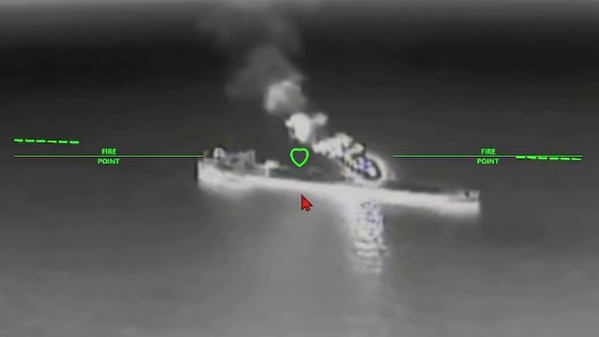
Ninoda.com – Ukraine strikes Russian ships near Crimea as part of a coordinated campaign to disrupt key fuel supply routes, intensifying the conflict’s impact on Russia’s logistical network. The recent attacks, carried out by Ukrainian forces using drones and missiles, have targeted maritime vessels in the Sea of Azov, a vital corridor linking the Black Sea to the Kerch Strait. These strikes, which have led to the destruction of multiple oil tankers, are seen as a strategic move to limit Russia’s access to critical resources and weaken its military capabilities. The actions come amid ongoing tensions in the region, with Kyiv emphasizing the need to strike at the heart of Moscow’s war effort by crippling its energy infrastructure.
Strategic Targeting of Maritime Supply Chains
The strikes near Crimea are not isolated incidents but part of a broader strategy to disrupt Russia’s fuel supply chains. According to reports, Ukrainian forces have focused on vessels that transport crude oil and refined products from Russian refineries to the peninsula, a route essential for sustaining military operations and domestic energy needs. The Sea of Azov has become a focal point, with multiple tankers caught in the crossfire and some engulfed in flames. Analysts note that by targeting these supply lines, Ukraine is aiming to create a sustained pressure on Russia’s ability to maintain its war efforts, forcing the country to rely on alternative routes or face shortages.
“By attacking oil and fuel supply routes near Crimea, Ukraine is striking at the lifeline of Russia’s military and economic operations,” said Ukrainian Defense Minister Reznikov. “Every vessel we destroy weakens their capacity to sustain the war in the east and support their global ambitions.”
Recent satellite imagery reveals a dramatic decline in tanker activity near the Kerch Strait, with over 20 ships fleeing the area after being damaged. The frequency and scale of these attacks suggest a deliberate effort to isolate Crimea, which has been a critical hub for Russian fuel exports. Brovdi, the commander of Ukraine’s drone forces, stated that the strategy has been refined over months, targeting not only ships but also oil depots and refineries to create a multi-pronged disruption. This approach has forced Russia to reroute its supply chains, increasing costs and delays in delivering fuel to frontline regions.
Analysis of the Naval Campaign’s Effectiveness
The rapid destruction of Russian vessels near Crimea has raised concerns about the sustainability of Moscow’s logistical operations. With over 25 ships reportedly targeted in just four days, the scale of the attacks indicates a significant shift in Ukraine’s tactics. These strikes have been corroborated by multiple sources, including satellite data and footage released by the Ukrainian military. The damage to tankers in Taganrog Bay, which transport fuel to Crimea, has been particularly impactful, as the area is a major shipping port. Analysts suggest that the disruption has already caused a measurable impact on Russia’s ability to move fuel efficiently, even if the exact numbers remain debated.
Brovdi emphasized that the attacks on ships near Crimea are part of a larger campaign to cut off Russia’s access to critical resources. The strategy involves not only destroying vessels but also creating a psychological effect on Russian forces. “When you see your ships burning, it shows that the enemy is targeting your supply lines and is willing to take risks to do so,” he explained. The Ukrainian military has also targeted oil depots in regions like Tver and Stavropol, further complicating Russia’s energy logistics. These coordinated efforts have led to a noticeable slowdown in fuel shipments to the Black Sea, affecting both military and civilian sectors.
As the conflict in Ukraine enters a new phase, the focus on ships near Crimea has drawn international attention. NATO officials have noted the strategic importance of these strikes, as they threaten Russia’s ability to maintain its operations in the south and east. The actions also highlight Ukraine’s growing capabilities in naval warfare, despite its initial limitations. While the exact number of ships destroyed remains unclear, the visible impact on Russian supply chains underscores the effectiveness of the campaign. Analysts predict that this approach could lead to long-term consequences for Moscow’s war efforts, forcing it to adapt its strategy in response.
Meanwhile, the attacks have sparked debates about the broader implications for the war. Ukrainian President Volodymyr Zelensky has reiterated the importance of targeting fuel supplies, stating, “We are fighting for every drop of oil and every barrel of fuel. By striking at these lines, we are ensuring that Russia feels the burden of its own war.” The strategy has also been supported by some Western leaders, including Donald Trump, who viewed the escalation as a potential catalyst for a quicker resolution. However, critics argue that the focus on ships near Crimea may divert attention from other critical fronts, such as the eastern regions where Russian forces are concentrated.