Palestinians mourn Gaza World Cup screenings organiser killed in Israeli strike

Gaza World Cup Screenings Organizer Killed in Israeli Strike as Palestinians Mourn
Ninoda.com – Palestinians are expressing deep sorrow following the tragic death of Mohammed al-Wahidi, a key figure in organizing public World Cup match screenings in Gaza. The 65-year-old was struck down by an Israeli missile in the Sabra district of Gaza City on Tuesday, marking a significant loss for the community. Al-Wahidi, known for his tireless work in humanitarian efforts, had become a symbol of resilience and hope during the ongoing conflict. His death has sent shockwaves through Gaza, where his efforts to bring people together through football have been a beacon of normalcy amid the war’s relentless violence.
Al-Wahidi’s role in the community extended far beyond the football field. As a former English teacher, he had transitioned into a senior position with the Egyptian Relief Committee, an Egypt-backed organization vital to providing aid during the Israel-Hamas war. Over the past two-and-a-half years, he coordinated food distributions, managed displacement camps, and ensured that essential supplies reached families in need. His hands-on approach, often working directly in shelters, earned him the respect of locals who saw him as a compassionate and reliable leader. The tragic incident has left many questioning the safety of those working tirelessly to support Gaza’s most vulnerable.
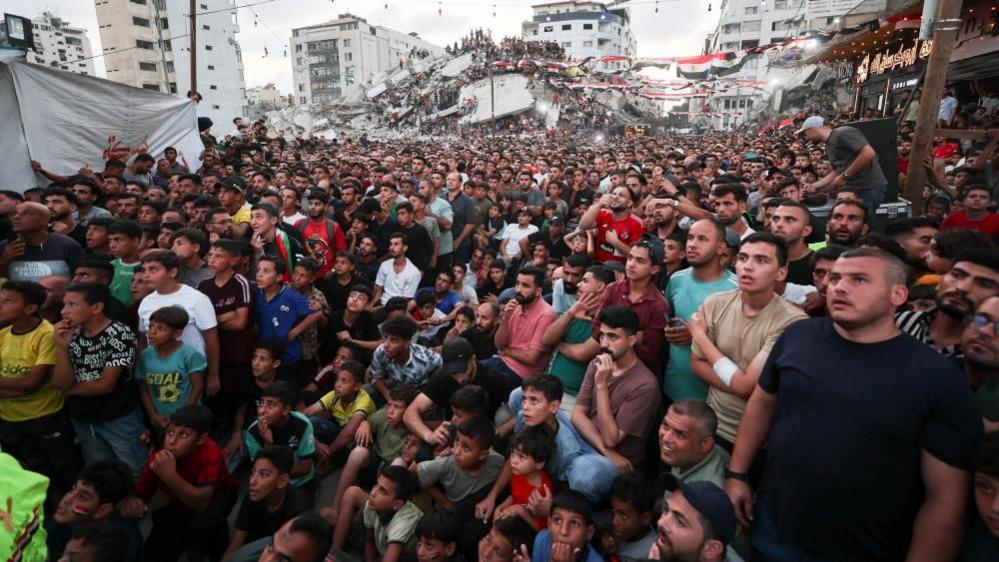
The World Cup screenings, which al-Wahidi organized, were more than just entertainment—they were a vital social activity for Gazans. Held in cities like Gaza City and Deir al-Balah, these events allowed families to gather, share stories, and momentarily forget the war’s hardships. The screenings of Egypt’s matches, in particular, resonated deeply with the population, as the national team became a source of pride and unity. His death just hours before the Egypt vs. Argentina match disrupted a cherished tradition, leaving fans and organizers alike in mourning. The event, which had drawn large crowds, now serves as a poignant reminder of the fragility of hope in conflict zones.
The Impact of Al-Wahidi’s Work on Gaza’s Community
Al-Wahidi’s contributions to Gaza’s humanitarian landscape were profound. He not only facilitated access to food and supplies but also helped maintain morale among displaced families. In a statement, a local community leader said, “Mohammed’s presence brought a sense of stability to our lives. Whether it was distributing aid or organizing a movie night, he made sure we felt seen and supported.” His ability to connect with people on a personal level highlighted the importance of grassroots efforts in sustaining morale during prolonged crises. The loss of such a dedicated individual has left a void in both the humanitarian sector and the cultural fabric of Gaza.
The tragedy has also sparked discussions about the risks faced by aid workers in the region. With the Israel-Hamas conflict escalating, the number of casualties among those providing relief has grown. According to the United Nations, over 593 aid workers have been killed since the war began, with eight of those fatalities occurring in the last 10 months alone. Al-Wahidi’s death underscores the dangerous environment in which these efforts take place, yet it also reinforces the importance of his work. Even as the conflict continues, the people of Gaza remain determined to rebuild their lives, drawing strength from community leaders like him.
Broader Context of the Conflict and Its Toll
The Israel-Hamas war, which began with Hamas’s October 7 attack on southern Israel, has left an indelible mark on Gaza’s population. As of late April, the conflict has resulted in over 73,118 deaths in the territory, according to Hamas-run health ministry figures. The Israeli military’s campaign, aimed at dismantling Hamas infrastructure, has also targeted civilian areas, raising concerns about the balance between security and humanitarian needs. Al-Wahidi’s death is a stark example of how the war’s intensity continues to affect those working to alleviate its impact, even as the conflict enters its second year.
Amid the devastation, the World Cup screenings have provided a rare opportunity for Gazans to reclaim a sense of joy and connection. The events, which often drew hundreds of attendees, were organized with the help of local volunteers and sponsors, showcasing the community’s ability to adapt and thrive despite adversity. Al-Wahidi’s efforts to bring people together through football were a testament to the power of shared experiences in maintaining hope. His passing has left many wondering how the screenings will continue without his leadership, but the community’s resilience suggests they will find a way to carry on.
“He was a bridge between the people and the world,” said a fellow volunteer. “Even when the war raged on, he made sure the World Cup brought us moments of peace.” His dedication to both humanitarian work and cultural activities has left an enduring legacy. While the conflict shows no signs of abating, the memory of al-Wahidi’s efforts will continue to inspire those in Gaza, reminding them of the strength found in unity and compassion.