
Boxy forms and odd lights: US declassifies more UFO files

Boxy forms and odd lights: US declassifies more UFO files
Ninoda.com – The U.S. government has taken another step in its transparency efforts by declassifying a new set of records related to Unidentified Anomalous Phenomena (UAPs), a move that has reignited public fascination with “boxy forms and odd lights” reported in military and civilian sightings. This latest batch of documents, part of an ongoing initiative to shed light on UFO phenomena, includes detailed accounts of unidentified aerial objects, sensor data, and photographs that have been analyzed by experts for years. The release of these files aims to address longstanding questions about the nature of these sightings and whether they could indicate advanced technologies or extraterrestrial origins.
Historical Context and Recent Developments
Since the Cold War era, UAPs have been a subject of intrigue for both military intelligence and the general public. The declassification of these files follows years of classified research, with the current batch spanning several decades of reported encounters. The documents include reports from multiple military branches, highlighting instances where “boxy forms and odd lights” were observed during routine operations, often defying conventional explanations. These revelations come as part of a broader push to formalize the study of UAPs, with the Department of Defense establishing a dedicated office to investigate such phenomena and document their occurrences.
The latest release builds on previous declassified materials, which have already sparked debates about the U.S. government’s knowledge of potential extraterrestrial activity. For example, the 2020 Pentagon report acknowledged that “boxy forms and odd lights” were frequently encountered by U.S. Navy pilots, prompting discussions about whether these could be classified as unidentified flying objects (UFOs). This latest round of files adds more evidence to the growing body of data, offering insights into how these mysterious sightings have been recorded, analyzed, and sometimes dismissed over the years.
Analysis of the New Files
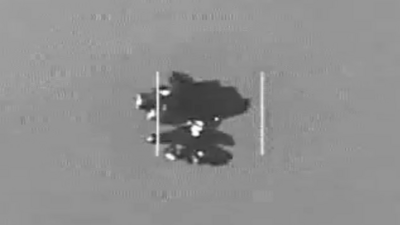
Among the newly released records, “boxy forms and odd lights” feature prominently in several accounts, with some descriptions noting the objects’ unusual geometry and unpredictable movement patterns. Researchers have pointed out that these forms often resemble modern aircraft but with proportions and features that seem unaccounted for by known technology. The accompanying images and sensor logs provide a glimpse into the challenges of identifying these objects, as their behavior frequently contradicts the laws of physics as understood today.
Additionally, the files include testimonies from pilots and crew members who described “odd lights” that flickered or changed color in ways that were difficult to explain. These accounts, combined with radar data and flight logs, suggest that the objects were not only visible but also capable of rapid acceleration and maneuvering. The inclusion of these details in the declassified documents underscores the complexity of the UAP phenomenon and highlights the need for further investigation into its origins and capabilities.
While the declassification of these files has been met with enthusiasm by ufologists and enthusiasts, some experts remain cautious. They emphasize that the presence of “boxy forms and odd lights” in the records does not automatically confirm extraterrestrial involvement, but rather highlights the gaps in our current understanding of aviation and atmospheric phenomena. The government’s release of these materials is seen as a significant milestone in the quest for clarity, offering a valuable resource for scientists, historians, and the public to explore the mysteries of UAPs together.