‘We don’t look at the sky anymore’: The Air India crash victims who were not on the plane


We Don’t Look at the Sky Anymore: Air India Crash Ground Victims
Ninoda.com – We don’t look at the sky anymore—this article contains some heart-wrenching details. For Prahlod Thakur, the images that greet him each morning are etched into his memory. They hang on the walls of his modest Ahmedabad home, alongside religious icons, brass vessels, and faded family portraits. One photo captures his wife, Sarlaben, while another shows his two-year-old granddaughter, Aadhya, in a white dress and a radiant smile. Both were in the BJ Medical College hostel area, just under two kilometers from the airport, when an Air India flight crashed there in June of the prior year. The disaster took 260 lives, with 241 passengers on board. Sarlaben and Aadhya were among the 19 who perished on the ground, their absence felt in every corner of the city.
Living with the Shadows of the Crash
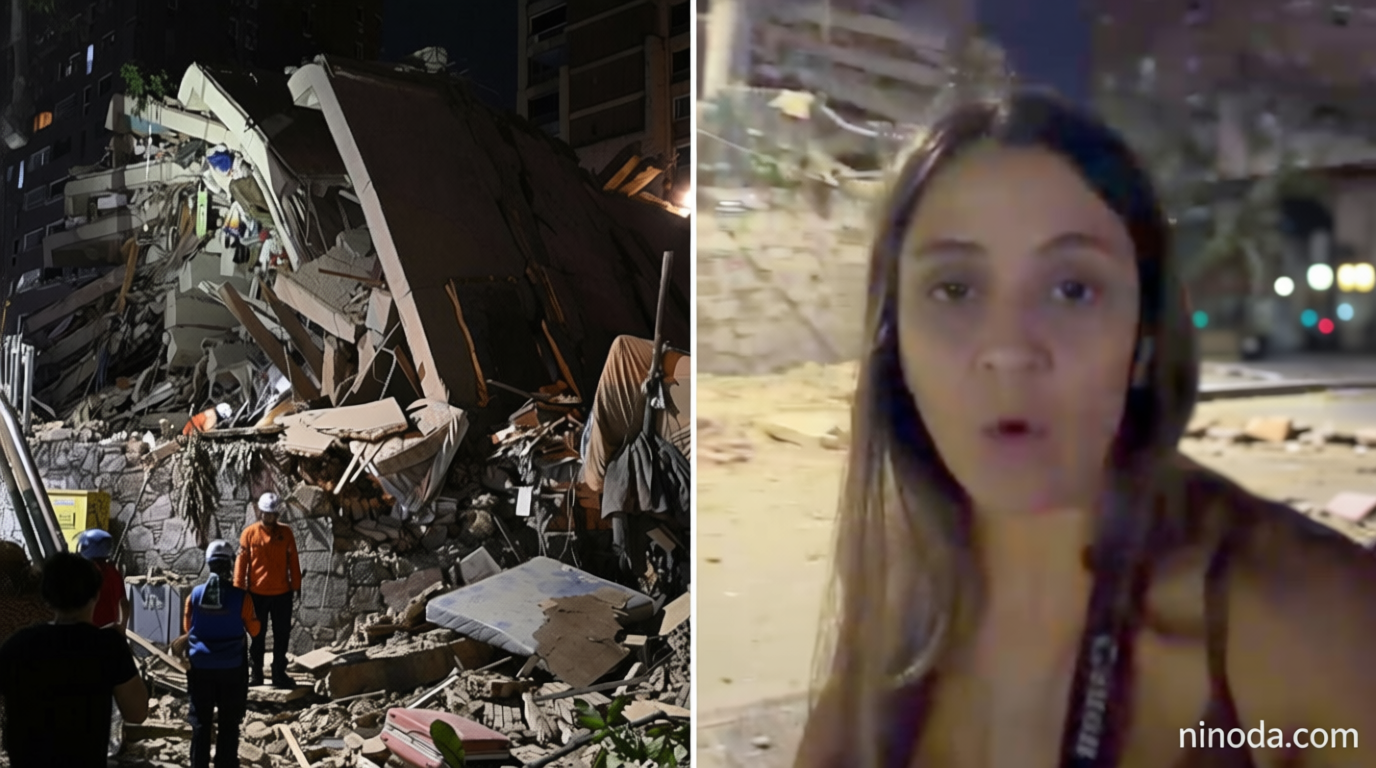
The investigation team is set to release their findings soon. For the past year, much of the attention has centered on the passengers aboard the London-bound flight and the unresolved questions surrounding their final moments. However, in Ahmedabad, the tragedy has transformed into a daily reality for many. Unlike other crash sites where damage fades, the hostel remains a haunting symbol of loss. Its upper floors are ripped open, concrete fragments jut out like jagged teeth, and a blackened staircase leads into the void. Smoke lingers on the walls, while suitcases and clothing are buried beneath dust and warped metal, creating a landscape of grief.
“Whenever a plane passes, we feel the same pain,” Thakur says. “We don’t even look at the sky.”
Thakur’s family had spent 15 years running a tiffin service for doctors on the medical campus, preparing meals for staff at nearby hospitals. Aadhya, his granddaughter, spent much of her time in the hostel, often staying close to her grandmother. The crash struck during lunch, when Sarlaben was working and Aadhya needed to use the restroom. As she climbed the stairs, the plane crashed into the building, sending debris raining down. Thakur, in a different structure, sprinted toward the smoke, his mind racing. “Sarla, Sarla,” he called, searching room by room, desperation echoing through the chaos.
“Everyone got along with her,” he says. “She was a very good woman.”
Survivors and Stories Entwined
Meanwhile, Arman Khan Pathan and his friend Aditya Dayal had different experiences of the disaster. Arman had just seated himself when a thunderous explosion shattered the silence. A table pinned his legs as debris rained down, burying him in darkness. “It was pitch black,” he recalls. “I was suffocating.” Aditya, who arrived later, helped carry Arman from the wreckage, their bond forged in the face of tragedy. The once-bustling mess hall, where they had shared meals for years, now lay in ruins, a silent witness to their shared sorrow.
“I was suffocating,” Arman remembers.
Rescuers worked tirelessly through smoke and collapsing walls, their efforts hindered by repeated blasts. The community, though, endured the shock of the event with unwavering resolve. For nearly a week, the family searched hospitals and relief camps, chasing whispers of hope and the possibility of finding survivors. Six days after the crash, they identified Sarlaben and Aadhya in a hospital mortuary. Today, Thakur’s thoughts often return to the biscuits he brought home and the way Aadhya would run into his arms. The pain of loss remains vivid, a year on.
As the rebuilding plans for the hostel gain momentum, the air in Ahmedabad still carries the weight of the disaster. The city’s rhythm has changed, its streets now quieter and its skies more somber. For those who lost loved ones on the ground, the question of how to move forward lingers. “We don’t look at the sky anymore,” Thakur says, his voice steady yet heavy. “But we carry their memories in every step we take.”