
Former top official Robbins takes legal action over sacking

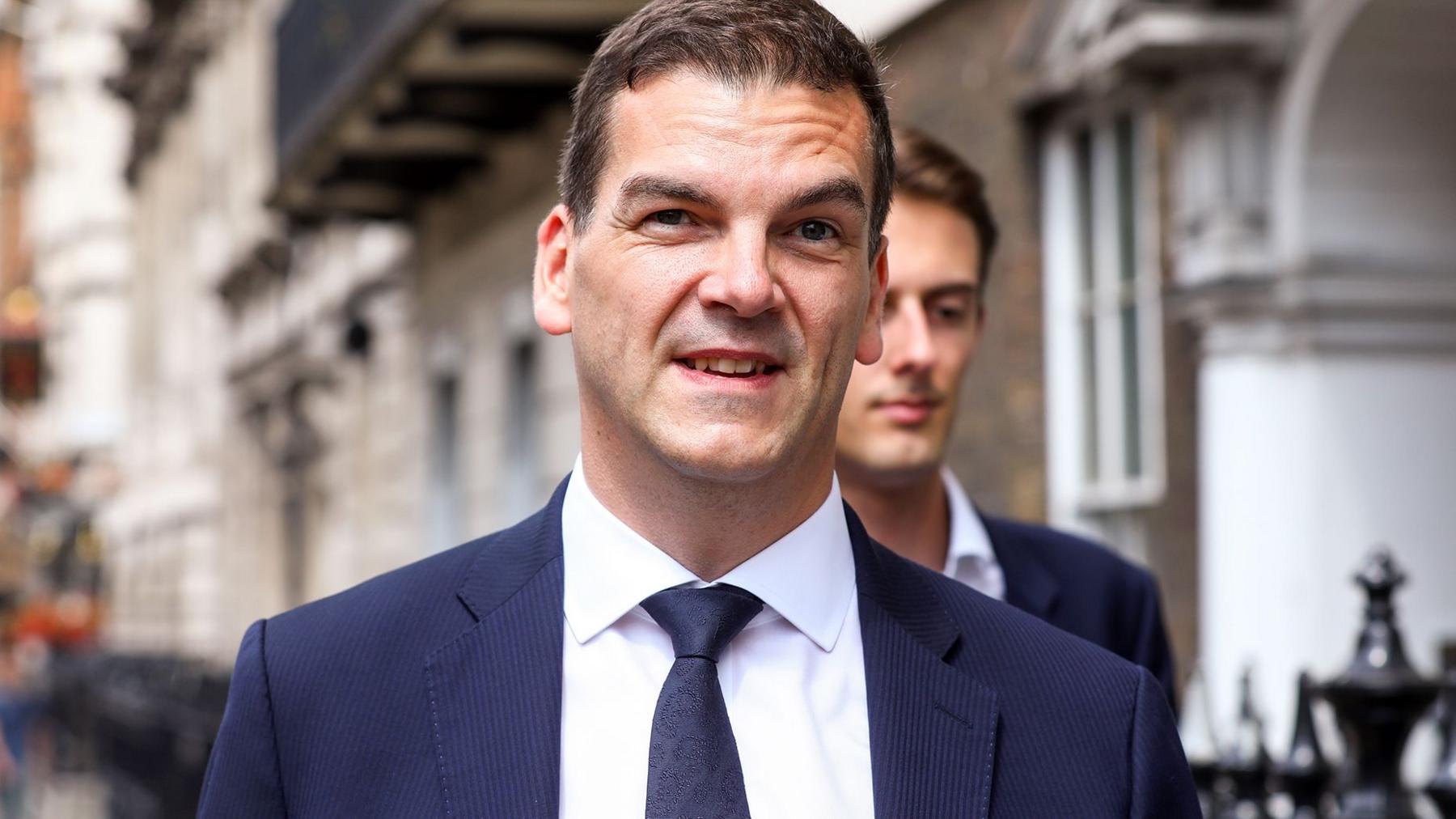
Former Top Official Robbins Takes Legal Action Over Sacking
Ninoda.com – Sir Olly Robbins, a former senior UK civil servant and key figure in Brexit negotiations, has launched legal proceedings following his abrupt dismissal from the Foreign Office. This high-profile case has sparked debate over the transparency and fairness of government vetting processes, as Robbins claims his removal was based on incomplete or misleading information. The controversy centers on his security clearance, which was approved despite initial concerns raised by vetting teams, leading to questions about the thoroughness of the process and its implications for public trust.
Union Challenges Dismissal Process
The Federation of Civil Service Associations (FDA), representing senior public officials, has voiced support for Robbins’ legal challenge. The union argues that his sacking violated the principles of a fair and transparent procedure, potentially setting a precedent that undermines the integrity of the civil service. A spokesperson for the government, however, emphasized that legal actions are a matter for the courts, stating:
“We do not comment on legal proceedings until they are concluded.”
This response has been interpreted by critics as evasive, highlighting the growing tension between senior officials and the executive branch.
Timeline of the Appointment and Sacking
The appointment of Sir Olly as U.S. ambassador was a significant step in his career, which had already seen him lead high-stakes diplomatic efforts, including Brexit negotiations with the European Union. The process began in December 2024, when he was named to the role before the completion of full vetting. He formally took office in February 2025 after receiving clearance, but by late 2025, new revelations about his past ties to Jeffrey Epstein—a convicted sex offender—cast doubt on his suitability. These findings were brought to light by the Guardian in April, prompting immediate scrutiny of the vetting process and the prime minister’s awareness of the issues.
Robbins’ removal followed a government review that identified discrepancies in his background checks. While the prime minister initially defended the decision, stating that he had conducted due diligence, critics argue that the evidence presented was insufficient. The claim that Robbins was “a borderline case” but still cleared with risk management has fueled accusations of political bias. This has led to calls for a formal investigation into the vetting procedures, with the FDA asserting that the process lacked proper oversight and accountability.
Robbins’ Defense and Legal Claims
Sir Olly has since outlined his defense, asserting that the vetting process should remain confidential to protect the interests of national security. He emphasized that the information provided to ministers was incomplete, leaving them without a full understanding of the risks involved. During a parliamentary session, he revealed that he had not personally reviewed the UK Security Vetting (UKSV) documents, which detailed concerns about his association with Epstein. Instead, he relied on an oral summary, which he claims misrepresented the severity of the issues.
Robbins’ legal team is now challenging the validity of his dismissal, arguing that the process was flawed and that the prime minister lacked the authority to terminate his role without due process. The union has also pointed out that Robbins held the position of head of the UK’s diplomatic service, making his removal particularly impactful. They assert that the government’s failure to provide full disclosure created a “grievous misunderstanding,” which could have been avoided with clearer communication and procedural transparency.
Reluctant Legal Move and Political Implications
In a statement, Sir Olly described his decision to pursue legal action as “reluctantly taken,” expressing frustration that a simple apology would have resolved the matter. He highlighted the personal and professional cost of the sacking, including the distress it caused to his family and the financial burden of legal fees. Robbins’ career, spanning decades of service in the Foreign Office, has now become a focal point for discussions about the balance between security and accountability in senior appointments.
The case has also drawn attention to the broader implications of the sacking for the civil service. Critics argue that Robbins’ dismissal reflects a growing trend of political interference in bureaucratic decision-making. They warn that without stronger safeguards, future officials may face